

Building with hemp
Hempcrete is a natural building material made from the core of the hemp plant. It has been used for centuries and is a great way to build durable, sustainable homes in various climates. Hempcrete can be crafted into blocks, bricks, panels, or slabs for construction projects. It’s also one of the best insulators on the market today and lightweight and easy to work with. This means that when you use hempcrete in your next project, your home will be healthy for people and the environment with its ability to sequester carbon dioxide from the air around it.
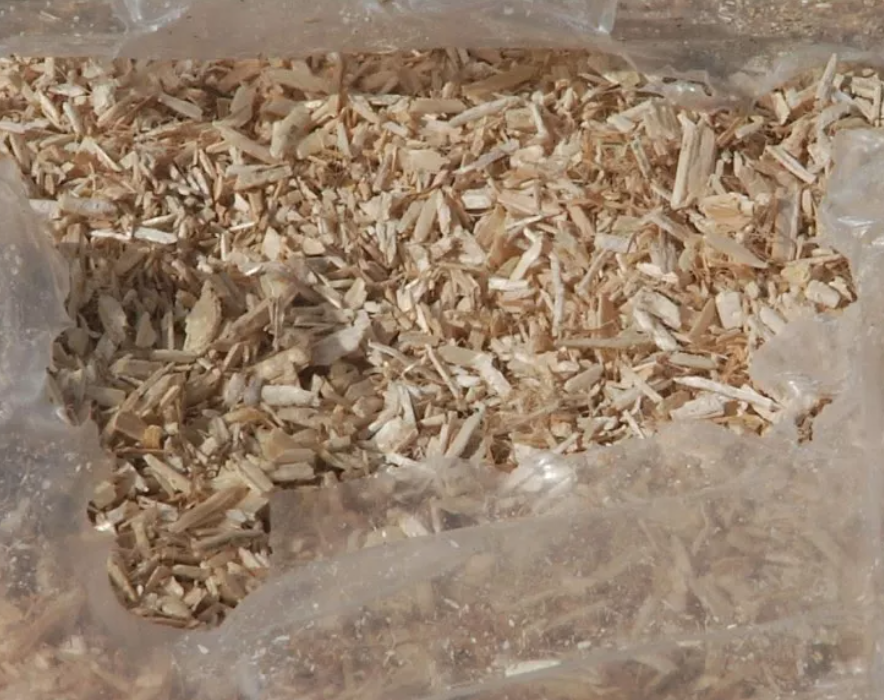
How is hempcrete made?
Hempcrete is made out of a mix of lime, hemp hurd (the woody part) from the hemp plant, clean water, and natural mineral binders. The process begins by grinding the hemp plants into a fine powder to release all of their cellulose. The pulp is then mixed with water to create a slurry before being poured into molds and allowed to dry for several days or weeks. Once the hempcrete has dried, it can be used as insulation or building material in homes and commercial buildings alike! This combination creates a non-structural building material that is mold and rot resistant, fire resistant, super-insulating, and has amazing acoustic properties. It also allows moisture to pass through the walls and build up naturally in the material. The properties of the walls are breathable; therefore, little if any ventilation is needed inside spaces made with this material. We had an amazing chat with River and Imanee from Haven Earth to understand their work with them. Find a snippet of the interview attached below!
Why hemp?
- Hemp can grow to 15 feet tall in four months, and it can be harvested twice annually.
- Hemp is a hardy plant that doesn’t need much water or fertilizer.
- Hemp is a good choice for a crop rotation with other crops, such as corn and soybeans, because it suppresses weeds and improves soil quality.
- Many hemp products are made from the plant’s stalk: paper, textiles, clothing, and rope, building materials like insulation boards and panels, biofuel energy sources like biodiesel fuel or ethanol alcohols, even food items like oilseeds!
- Hemp is an excellent carbon sink, storing up to 1.62 tons per acre of carbon dioxide in the plant while it grows.
- The end product has many benefits over traditional building materials—it’s eco-friendly, lightweight yet strong enough for structural use, sustainable, and cost-effective relative to other options on the market today.
Building with hempcrete can be expensive at first, but overall it is very cost-effective compared to other technologies. Plus, you get all the benefits of using this natural product, including its heat-resistant, water-retaining, and compostable.
Hempcrete also works well as a fire barrier because of its heat resistance. It doesn’t let flame through like cement will, nor do flames spread easily from one room to another. Even when wet, hempcrete forms a thin layer that burns very quickly.
Bricks, blocks and panels
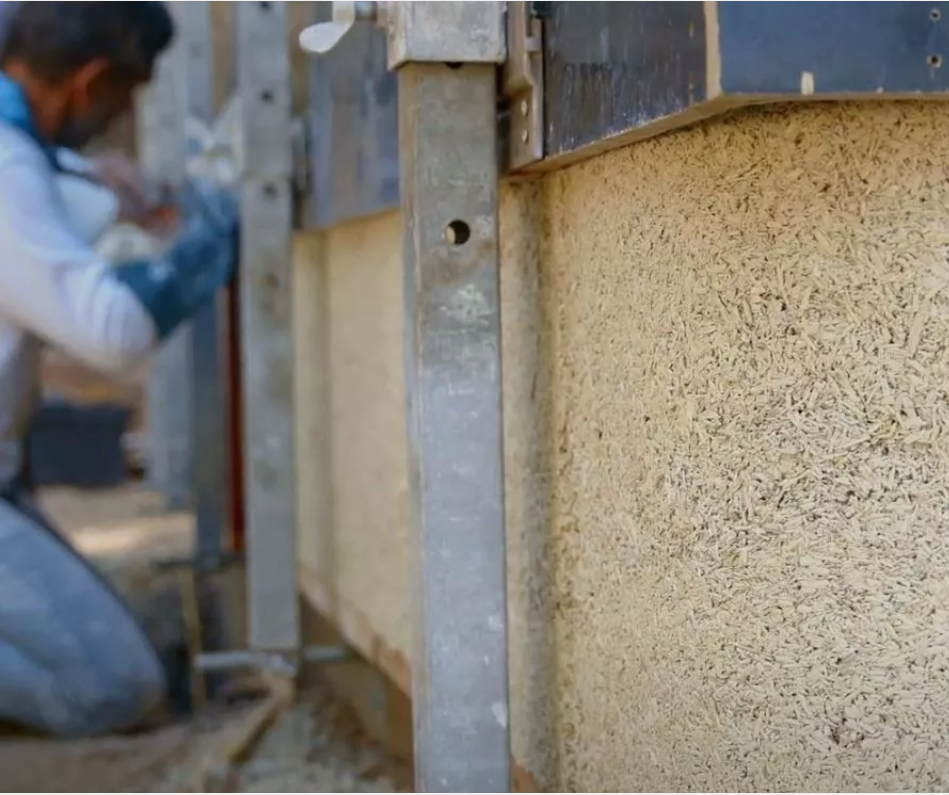
Structural hemp blocks can be used similar to cinder blocks with the addition of cement or lime. The core of the block is made from strands of hemp that have been compressed into a solid mass. The blocks are shaped like regular cinder blocks and are usually about 8” by 16” by 8” in size; like real cinder blocks, they can be stacked up to 20 feet high.
The technology for making these structural hemp blocks has existed since ancient times but was lost when people stopped using hemp as a building material. It wasn’t until recently that researchers could figure out how to make them again, using modern materials such as lime and cement instead of clay-based adobe mud brick walls.
Hemp-based panels can also be used with timber frames and undergoing prefabrication offsite, making them ideal for use in modular construction.
Modular (or just “mod”) construction is where the building components are manufactured off-site and then shipped to the site for assembly, which has several advantages over conventional methods. The main one is that it reduces waste by cutting down on materials used due to onsite work usually requiring more than what’s needed. This can also reduce labor costs and lead times because it means there’s less need for site workers – especially skilled ones like carpenters – although there is still a requirement for electricians or plumbers depending on the nature of your project.
The main advantage of hempcrete is it does not require complex manufacturing processes as other materials do.
Legal issues
As row crop prices have declined over the past several years, farmers and landowners across the nation have searched for alternative crops. With the passage of the US 2014 and 2018 farm bills, industrial hemp became one of those possible alternative crops. The 2014 farm bill established industrial hemp (hemp with a tetrahydrocannabinol [THC] concentration of 0.3% or less) as a potential crop, separating it from its illegal relative, marijuana. The 2018 farm bill removed hemp from the list of controlled substances and established hemp as an agricultural commodity, including provisions for crop insurance for hemp. While federal US hurdles have been cleared for hemp production, it is still up to each state to pass laws legalizing the crop and submit plans outlining state regulations and laws governing hemp production, testing, licensing, and transport. Before you choose to explore this option, make sure to check your state’s guidelines about this.
We hope you will be inspired to try these materials in your next project by learning about how industrial hemp can be used to construct buildings. If you are intrigued by this, feel free to contact Haven Earth for guidance or to help them propagate their idea of making modular hemp homes. Watch how passionate RIver and Imanee are about changing the face of construction with hemp in the interview below.
Using renewable materials and resources is one of the 12 Permaculture Principles. Sustainable architects and natural builders stand by one of the principles when working on a holistic permaculture project. If you are a builder and want to learn more about natural building or to offer your services in a more regenerative way – become a certified Permaculture Designer with us!