
ARTICLES
Permaculture Education
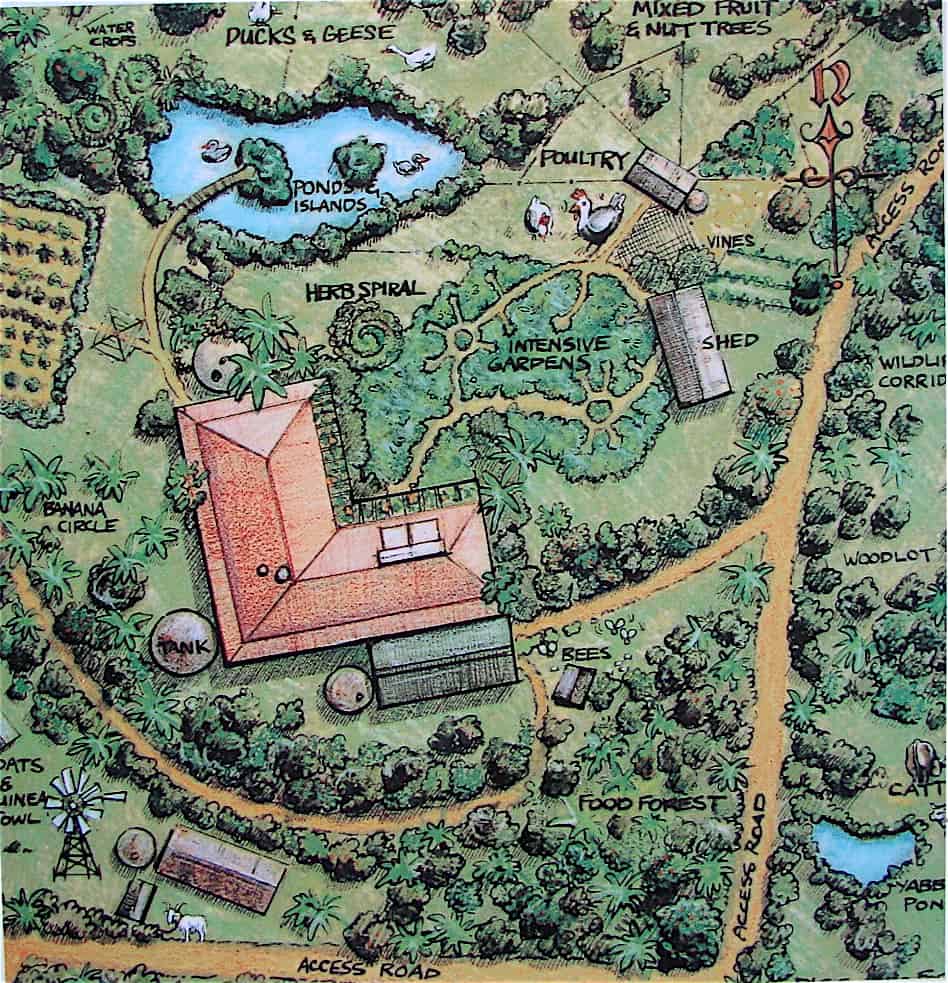
Permaculture Design Offers Solutions
The recent and ongoing uptick in the occurrence of natural disasters, wildfires, mudslides, desertification, wars, mass-migration, famine, and economic recession, has renewed interest in finding real solutions to these problems. The solutions are found outside the typical inefficient government or corruption-plagued non-profit/NGO and international bureaucracy-led initiatives. For decades, independent researchers and consultants known as Permaculture…
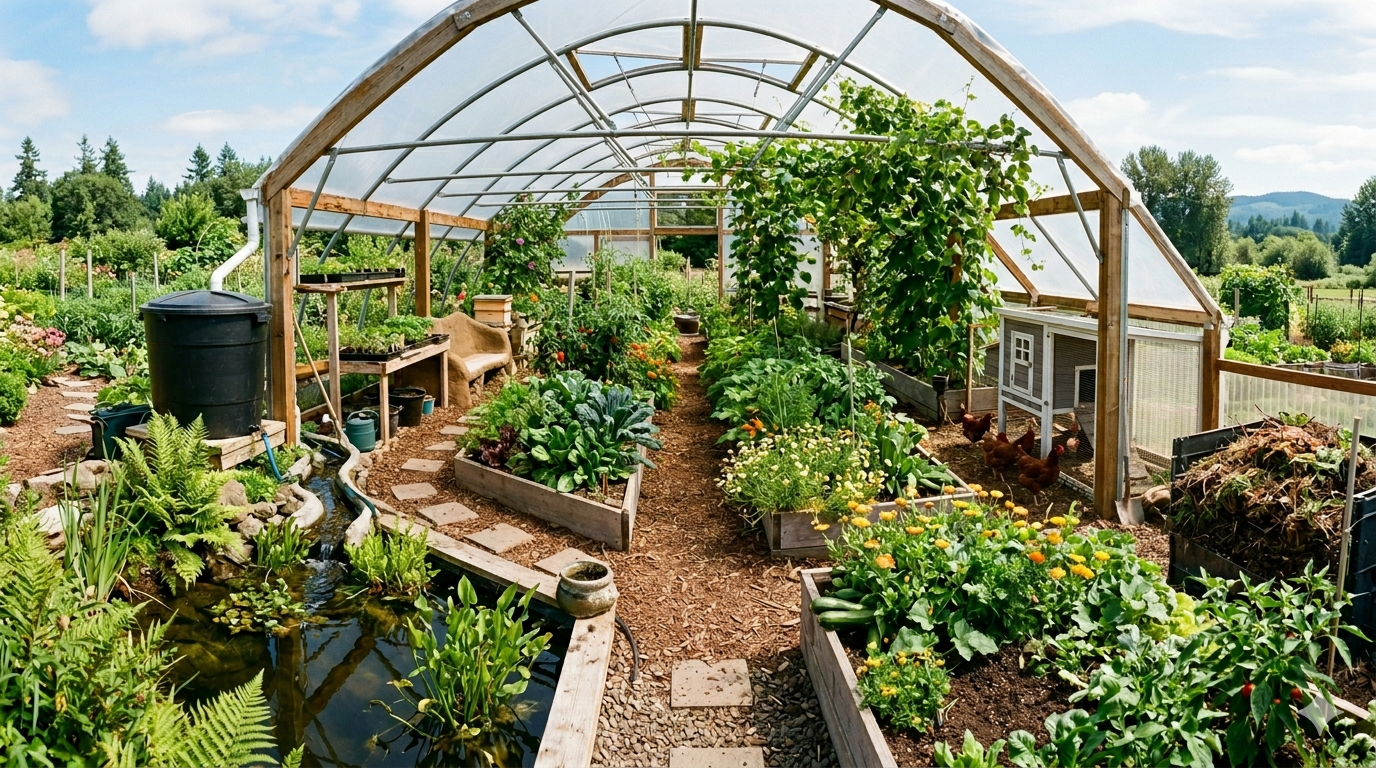
What Is a Permaculture Greenhouse?
Designing Resilient Greenhouses as Living Ecosystems A greenhouse can do much more than simply protect plants from harsh weather or extend the growing season. In permaculture, it is understood not just as a structure, but as an integrated ecosystem – one designed to support healthy relationships between climate, water, soil, plants, and people. Once the…
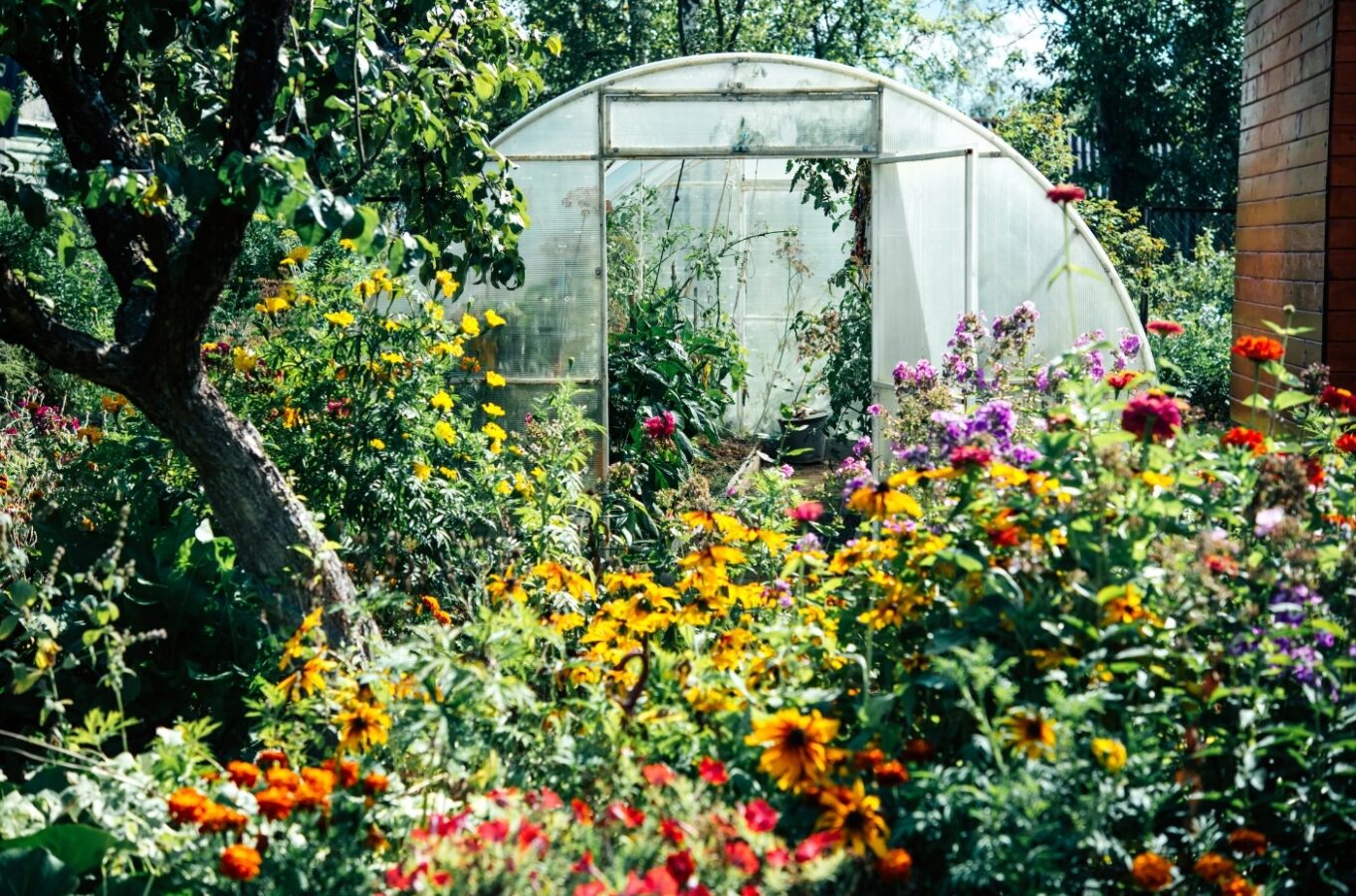
Choosing the Right Greenhouse Location: 8 Mistakes to Avoid
A greenhouse can be one of the most powerful elements in a permaculture system, with the potential to completely transform how your garden or homestead functions. It allows you to grow beyond seasonal limits, protect vulnerable crops and create a more stable growing environment within an otherwise dynamic landscape. But here’s something that often doesn’t…

Food Forests vs Orchards
The impacts of industrial agriculture are becoming increasingly visible—soil depletion, water scarcity, and biodiversity loss. Many growers are turning toward more regenerative models of food production. Food forests stand out as one of the most resilient and ecologically balanced systems ever designed. Yet, they are often compared with conventional orchards, which, while productive, embody a…
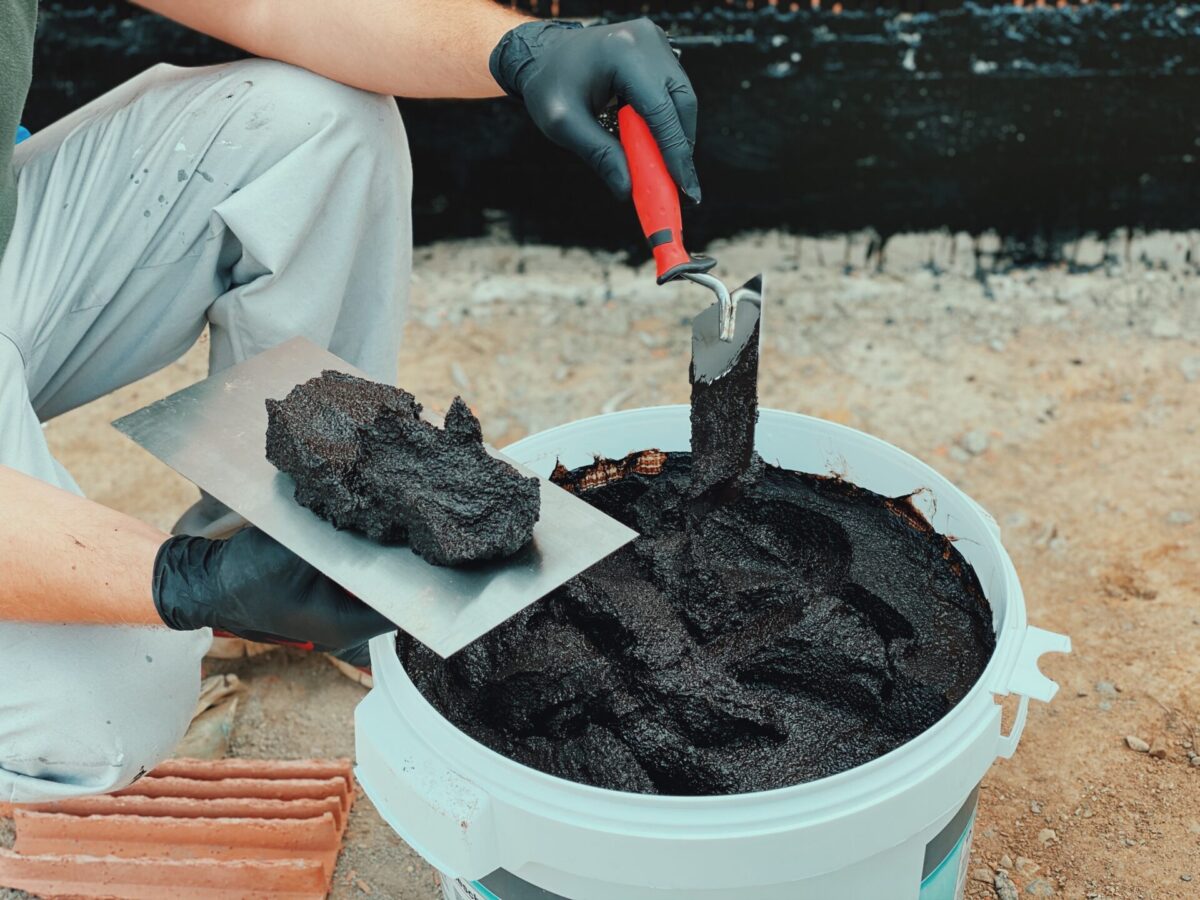
Biochar in Permaculture: Benefits for Soil & Climate
Biochar is a charcoal-like substance created through pyrolysis, the controlled burning of organic matter in low-oxygen conditions. Unlike traditional charcoal, biochar is specifically made to improve soil health. Its porous structure allows it to hold nutrients, retain moisture, and provide habitat for beneficial microorganisms. The practice of enriching soil with biochar is ancient, dating back…
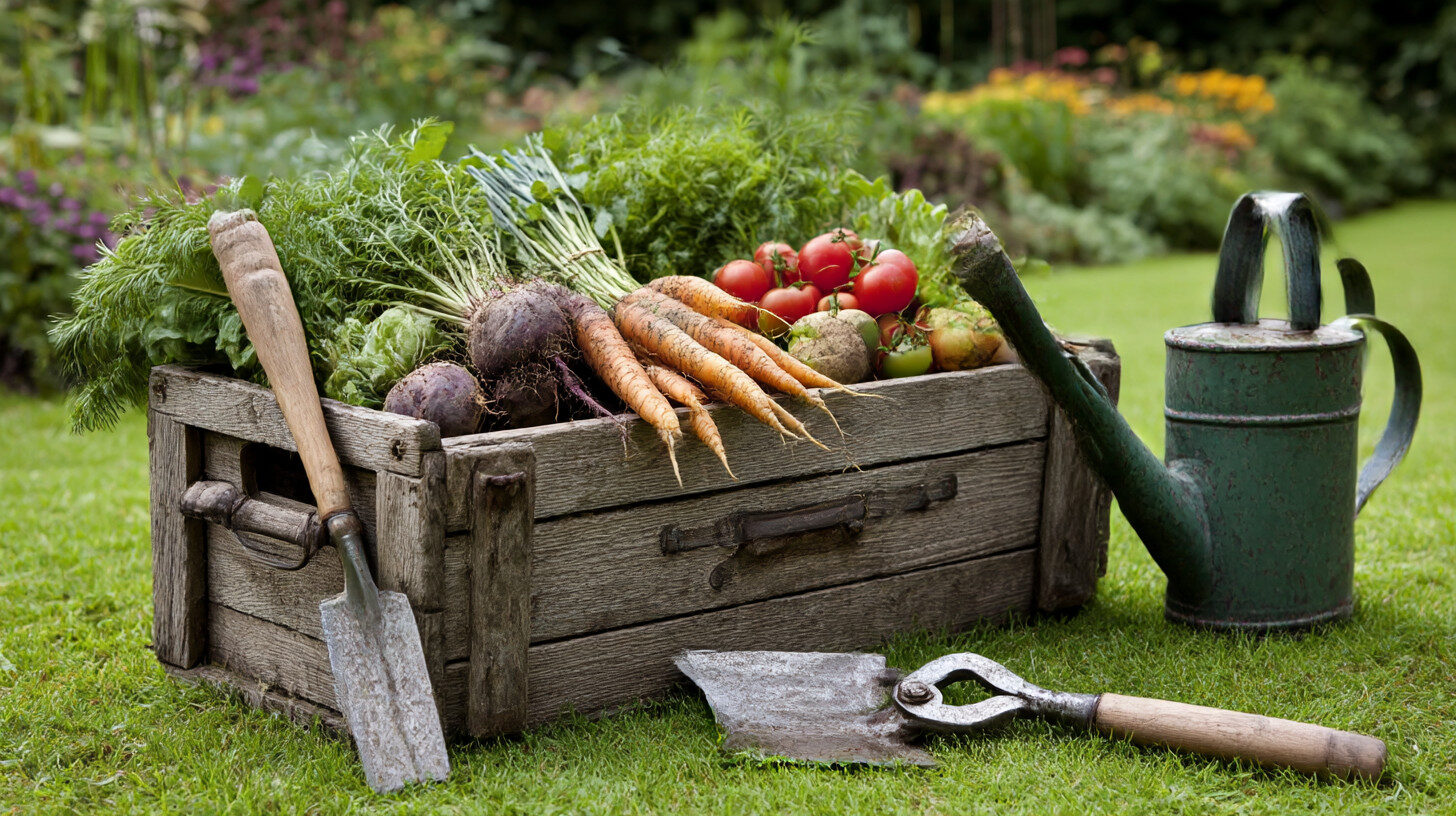
Journey through the Permaculture Design Course
Amandine Dumont, a passionate permaculture enthusiast, recently embarked on the Permaculture Design Course with Permaculture Education to deepen her expertise in regenerative design and Permaculture Principles. For her, this wasn’t just another online course — it was a meaningful step toward creating resilient, regenerative systems that work in harmony with nature. Although Amandine had years…

How to Actually Practice Permaculture Design Before Taking the PDC
You’re scrolling through PDC course descriptions, reading about water harvesting and forest gardens, and thinking: “This sounds amazing, but what if I show up and everyone else already knows what they’re doing?” Here’s the thing – most people walk into their first Permaculture Design Certificate course feeling exactly the same way. But you don’t have…

A Journey Through Time: The History and Origin of Agroforestry
Agroforestry, the ancient practice of combining trees with crops and animals, has roots that spread across time and cultures. It’s not just a modern technique for food production but a profoundly regenerative system with origins steeped in traditional knowledge passed down through generations. Early Beginnings Before “agroforestry” was coined, indigenous peoples worldwide already used this…
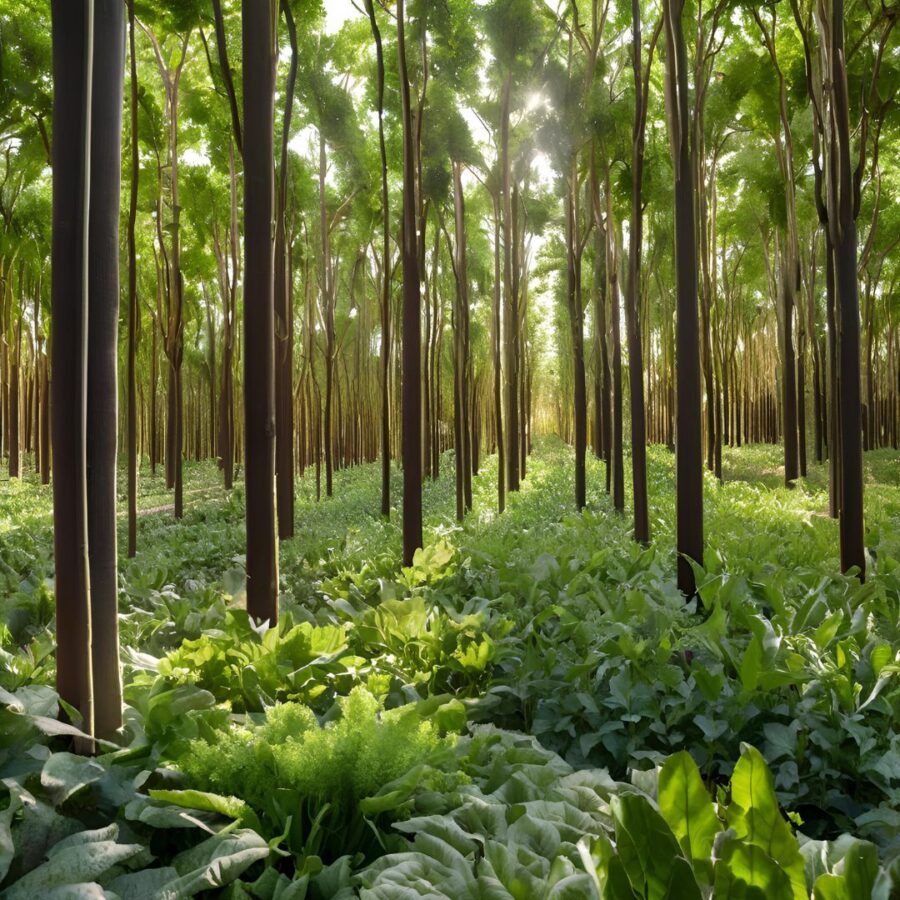
The Future of Agroforestry: Growing a Regenerative World
Agroforestry is not just a nod to the past—it’s a vision for the future. As we look for ways to restore landscapes, increase food security, and nurture biodiversity, agroforestry is a regenerative system that addresses many of today’s environmental and agricultural challenges. The Benefits of Agroforestry Agroforestry offers a multitude of benefits that extend far…
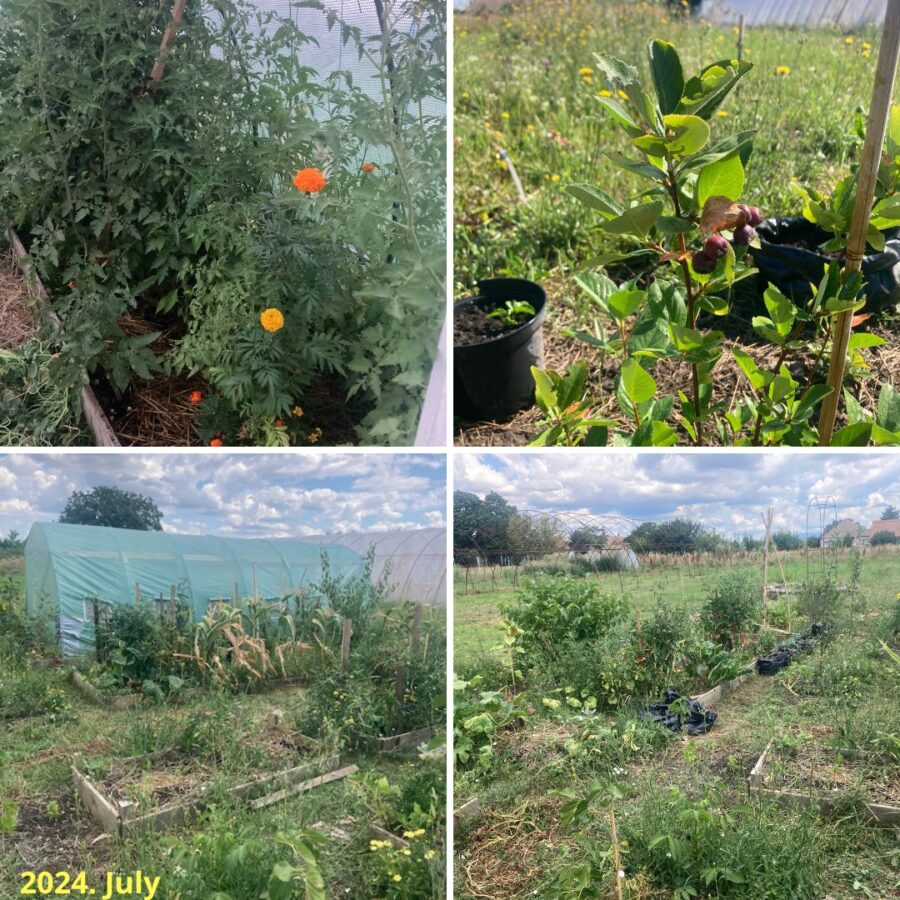
Flourish and Thrive: My Food Forest Adventure
My Journey into Nature and Permaculture I spend most of my time in nature, captivated by the incredible diversity of Mother Earth and the rich cultures of natural peoples. Permaculture Design found its way into my life many years ago, and it’s been a transformative journey. After immersing myself in the writings of Rudolf Steiner…
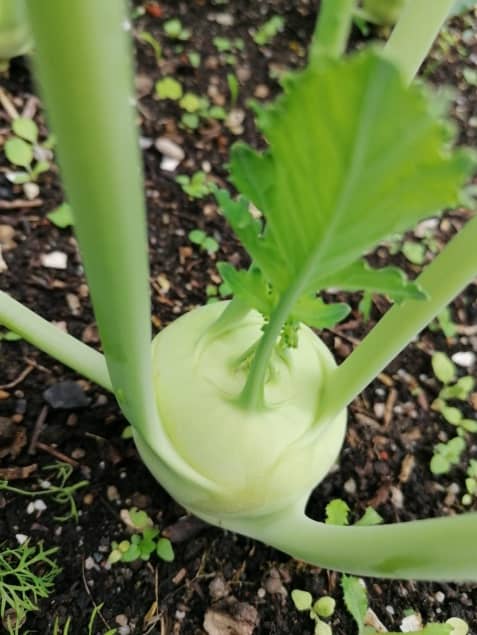
Designing a Food Forest? Avoid these Mistakes.
Article Co-Authors: Aadya Singh and Alan Enzo Food Forests, also known as Forest Gardens, are forestry designed to provide for human needs, including food, medicine, fodder, and other ecosystem services. These forests require not imitate the scale of actual forests but can be of smaller sizes, designed to suit the chosen site and goals of…
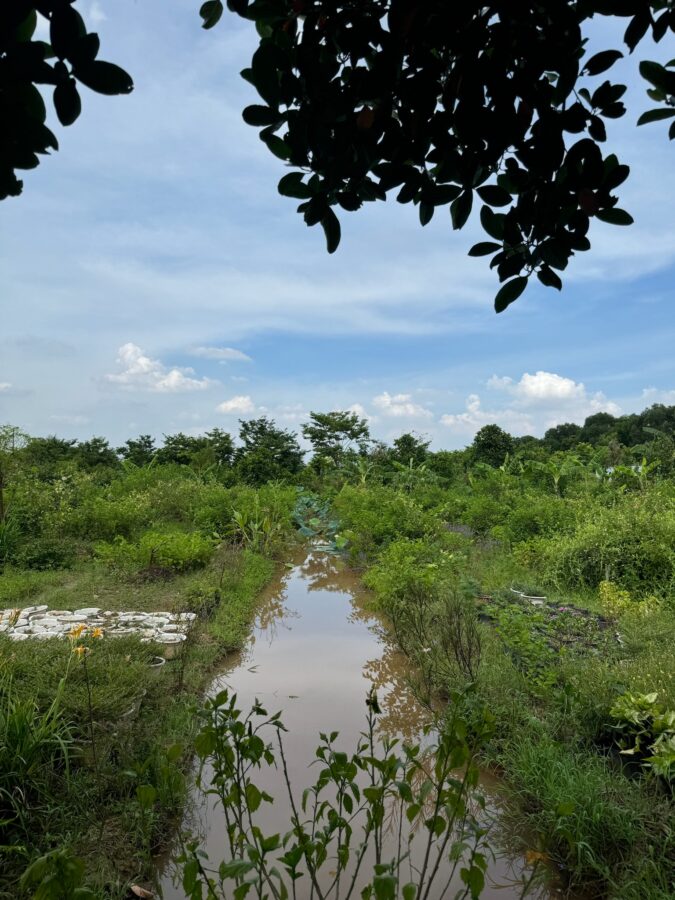
A Permaculture Tale from Vietnam
Don’t miss this spot if you ever go to Vietnam! Since starting my permaculture journey three years ago, my approach to travel has transformed. Beyond seeking monuments, places of historic and cultural significance, and great food spots, I now also make it a point to visit permaculture farms and eco-businesses wherever I go. This adds…
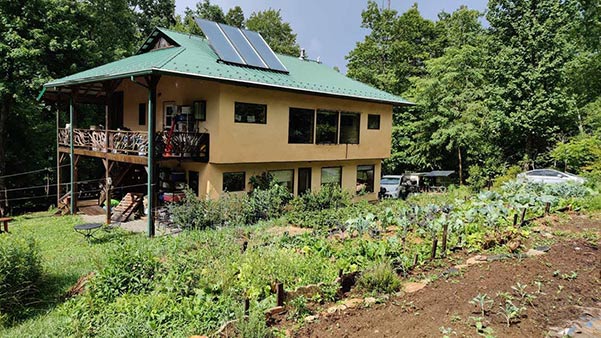
Regenerative Earthworks: Harmonizing Land and Life
Regenerative earthworks are a cornerstone of permaculture design, embodying the ethos of working with nature to create thriving ecosystems and regenerative landscapes. This innovative approach to land-shaping focuses on restoring and enhancing natural systems through strategic earth-moving techniques. By harnessing the power of dams, swales, berms, and other earthworks, regenerative earthworks aim to capture and…
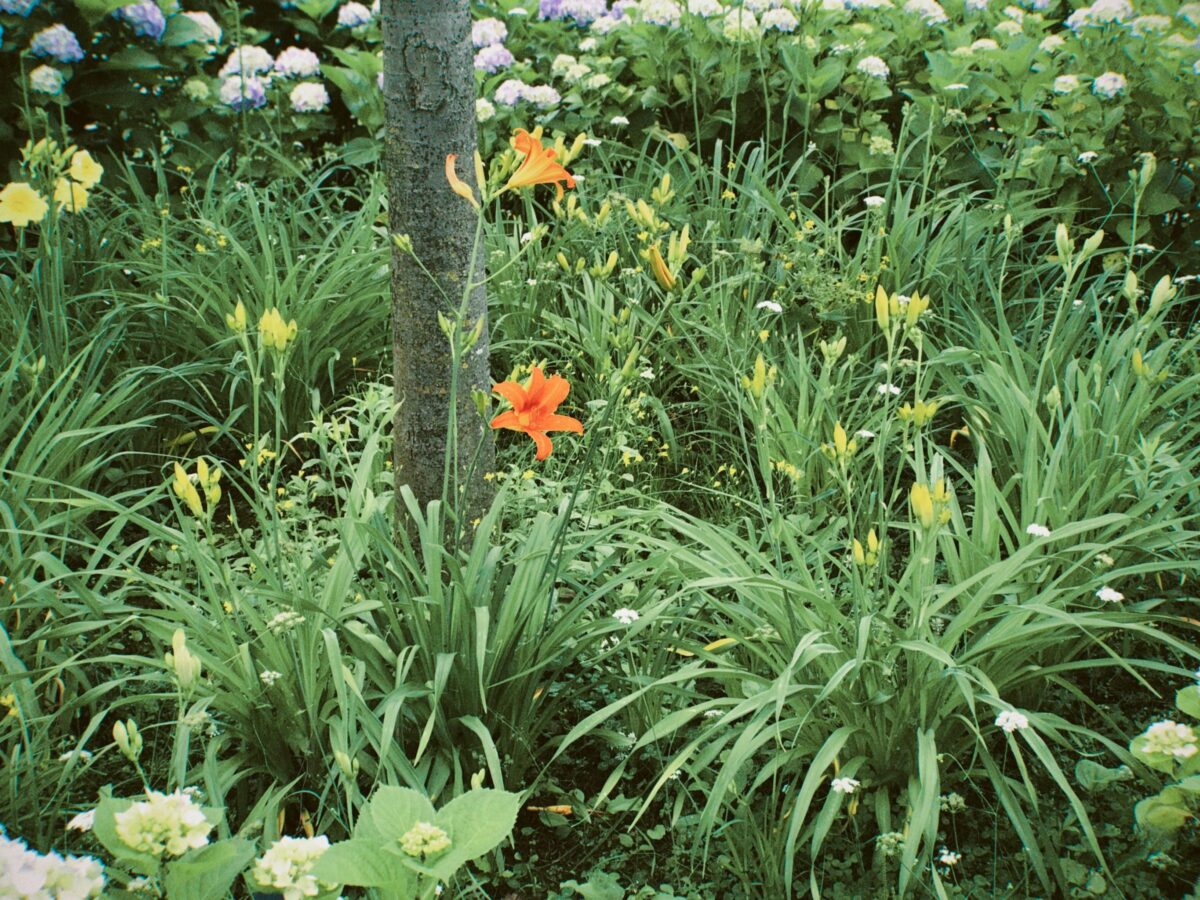
In Harmony with Nature: Companion Planting
Within nature’s intricate choreography, plants have communicated subtle wisdom to one another, forging alliances that transcend mere survival and embrace a realm of flourishing collaboration. This age-old technique, called companion planting, is an enduring craft that fosters unity among species, enriches biodiversity, and unleashes the garden’s utmost capabilities. Across ancient agricultural practices and contemporary permaculture…

Permaculture in Practice: Regenerative Solutions for Everyday Life
The intricate life-supporting systems of our planet are being challenged with each passing day. In this chaotic landscape, permaculture emerges as a beacon of hope, presenting a comprehensive, intelligent, and holistic solution to these pressing issues. Its approach is practical and deeply rooted in the interconnectedness of communities and living systems, offering a profound opportunity…

Mastering Rain Gardens
In the face of escalating environmental challenges, the need for regenerative practices in landscaping and urban planning has never been more critical. One such innovative solution is the rain garden. A rain garden is a carefully constructed, shallow depression in the ground, typically filled with a mix of native plants and specialized soil, designed to…

Maintenance Guide to Permaculture Gardening
Permaculture gardening is a living testament to the potential of regenerative coexistence between humans and the natural world. It’s not just about growing plants; it’s about creating a whole mini-ecosystem where every element helps each other. It consists of a team of plants, animals, soil, sun, and water, where each one plays a role. By…

Building Resilience with Permaculture: Adapting to Climate Change
The temperature of the earth has risen by 17 degrees Celsius over the last couple of centuries; climate change can no longer be considered a hypothetical possibility. As climate change intensifies, the need for adaptive strategies becomes more apparent. One such integrated design technique that can aid in building thriving and resilient communities and landscapes…
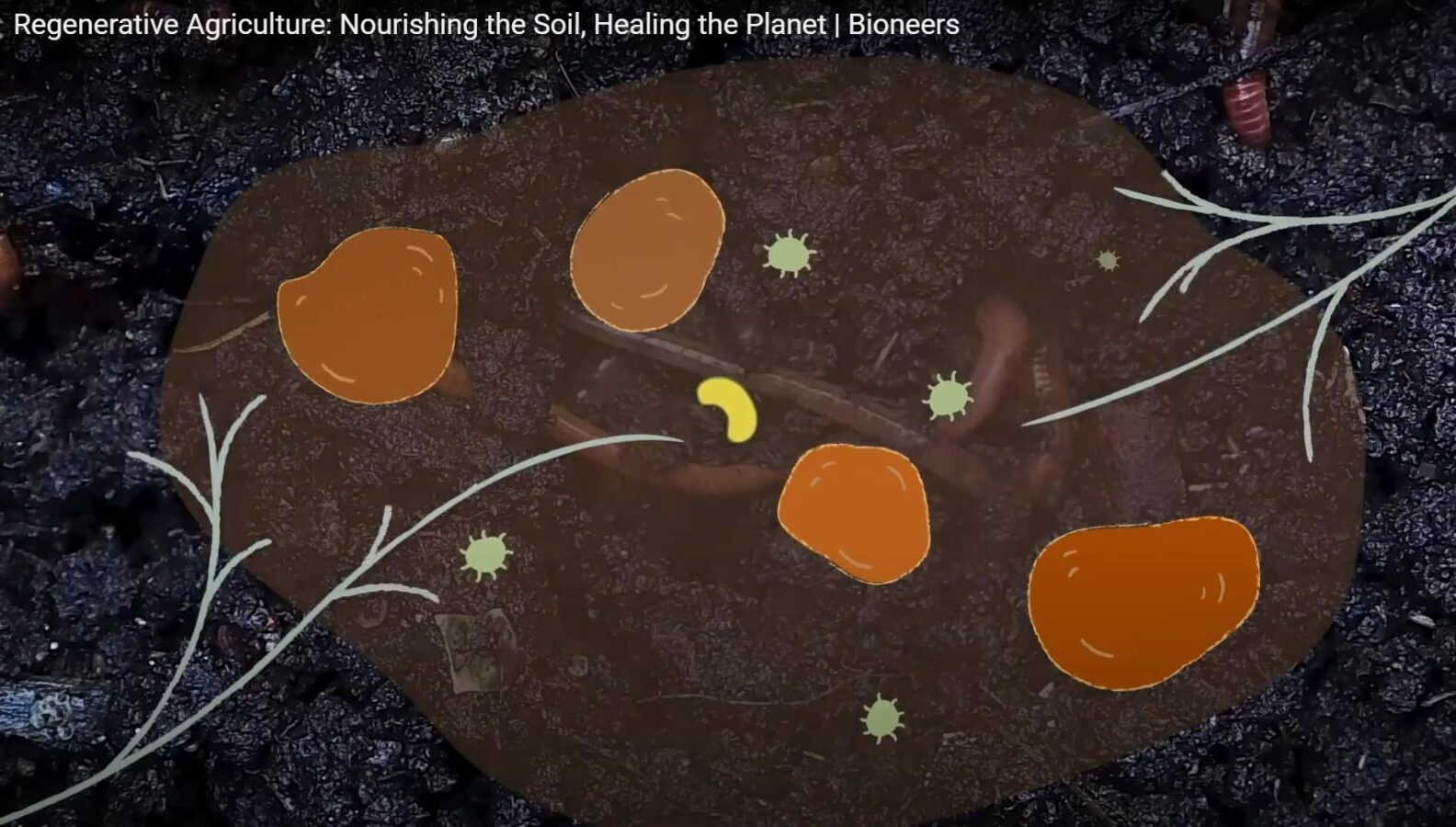
Highlights of the Permaculture Design Process
Permaculture Design, also known as Regenerative Design or Ecological Design, encompasses a range of interconnected practices and principles that harmonize with nature’s wisdom. By observing and imitating natural ecosystems, permaculture design strives to create resilient and productive systems that benefit both people and the planet. This blog post will explore some key aspects of permaculture…
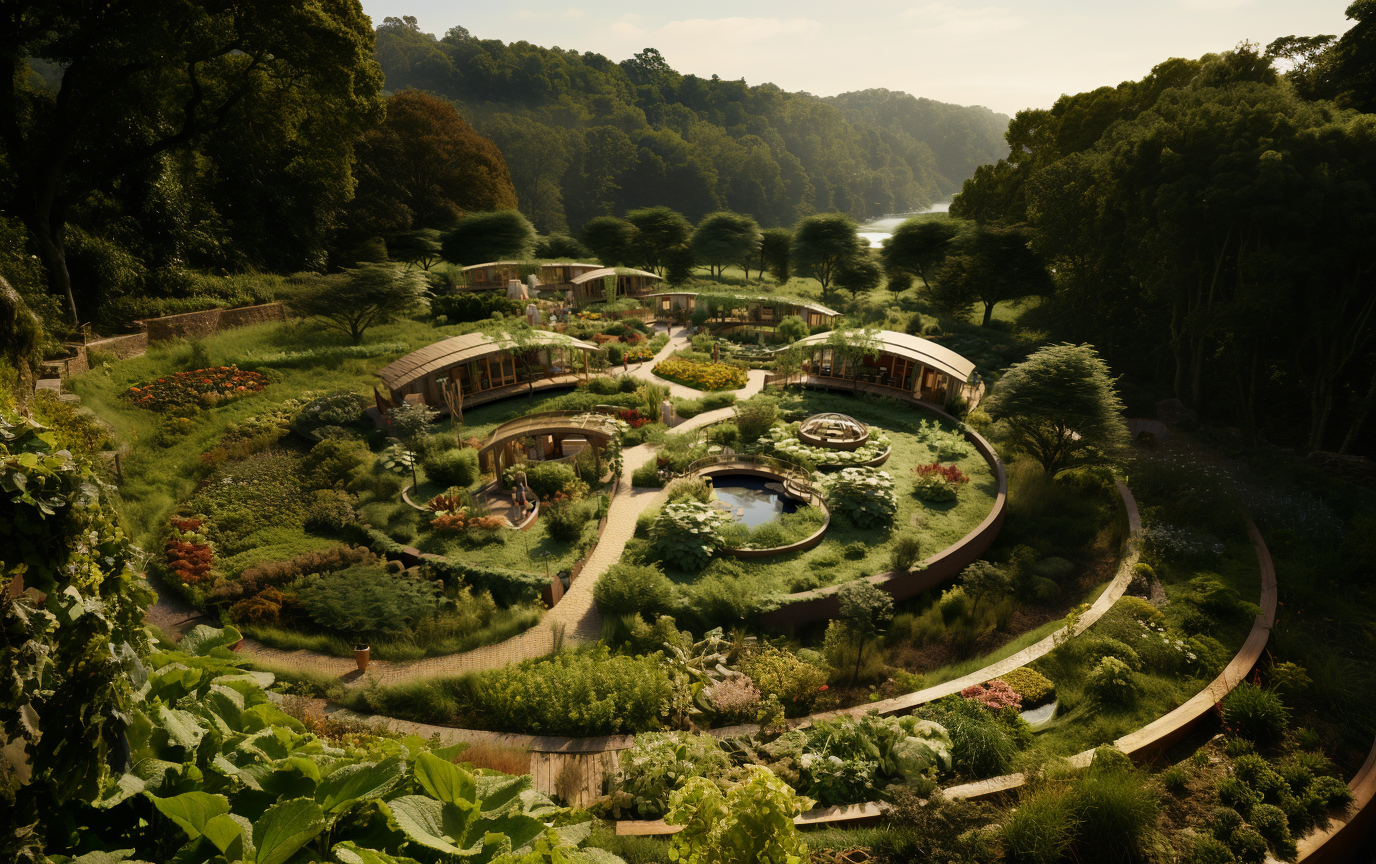
Regenerative Design and Regenerative Economics: Shaping Resilient Futures
Interviewing Alan Enzo In the face of mounting environmental challenges and the urgent need for a more resilient future, Regenerative Design and Regenerative Economics concepts have gained significant momentum. One voice leading the charge is Alan Enzo, an influential advocate for Regenerative Design and the practical implementation of “beyond circular economy” principles. Enzo’s work has…
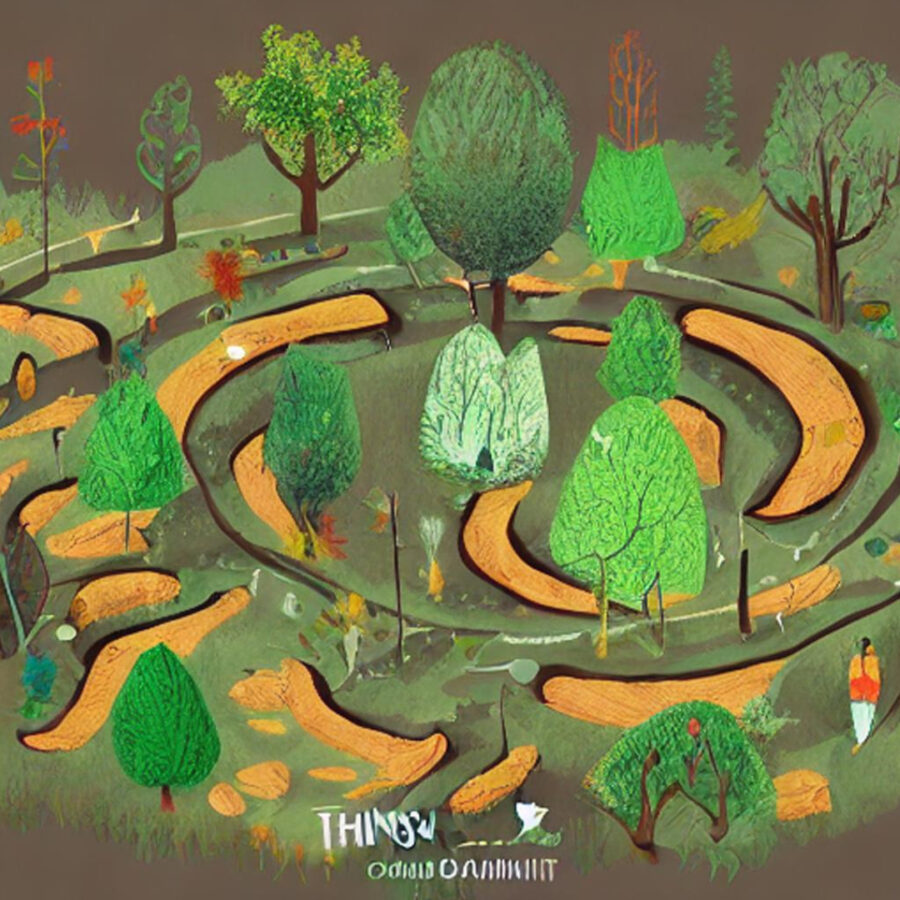
How to think like a forest
Post edited by Mani Makhija. Have you ever enjoyed the harmony of nature when strolling in a forest? The interdependence of plants, animals, and trees results in a thriving environment. Have you ever considered the lessons forest management can teach us as individuals and business owners? Adopting a holistic perspective on life and business entails thinking…
