
How to Actually Practice Permaculture Design Before Taking the PDC
You’re scrolling through PDC course descriptions, reading about water harvesting and forest gardens, and thinking: “This sounds amazing, but what if I show up and everyone else already knows what they’re doing?”
Here’s the thing – most people walk into their first Permaculture Design Certificate course feeling exactly the same way. But you don’t have to. There’s plenty you can do right now, in your backyard or even from your apartment window, to start thinking like a permaculture designer.
And trust me, showing up with some hands-on experience under your belt will make those 72 hours infinitely more valuable.
Start With Your Morning Coffee (Seriously)
Before we dive into earthworks and polycultures, let’s talk about something you do every day – making coffee. Tomorrow morning, instead of just pressing that button on your coffee maker, pause and ask: “Where does this water come from? Where does this coffee go after I’m done with it?”
This isn’t some philosophical exercise. It’s the foundation of permaculture thinking – following flows and connections. Your coffee grounds could feed your houseplants. That water you’re about to pour down the drain could be used to water your herbs on the windowsill.
Sarah, who took her PDC last spring, told me she started mapping these little household flows months before her course. “When we got to the session on energy and material flows, I actually understood what the instructor was talking about. I wasn’t just taking notes – I was connecting it to stuff I’d already been noticing.”

The Art of Really Seeing
Permaculture designers are professional observers. They notice patterns, microclimates, and relationships that most people walk right past. The good news? You can start developing this “designer’s eye” anywhere.
Pick a spot – your yard, a local park, even that neglected corner by the parking lot at work. Visit it once a week for a month. Same time, same day. Bring a notebook or use your phone to jot down what you notice.
Week one, you might just see “grass and some trees.” By week four, you’ll start noticing which areas stay soggy after rain, where the first green shoots appear in spring, or how the birds move through the space differently at different times of day.
This is pattern recognition in action. And it’s exactly what you’ll be doing during the site analysis portion of your PDC course, except by then, you’ll already know how to look.
Try Some Guerrilla Polyculture
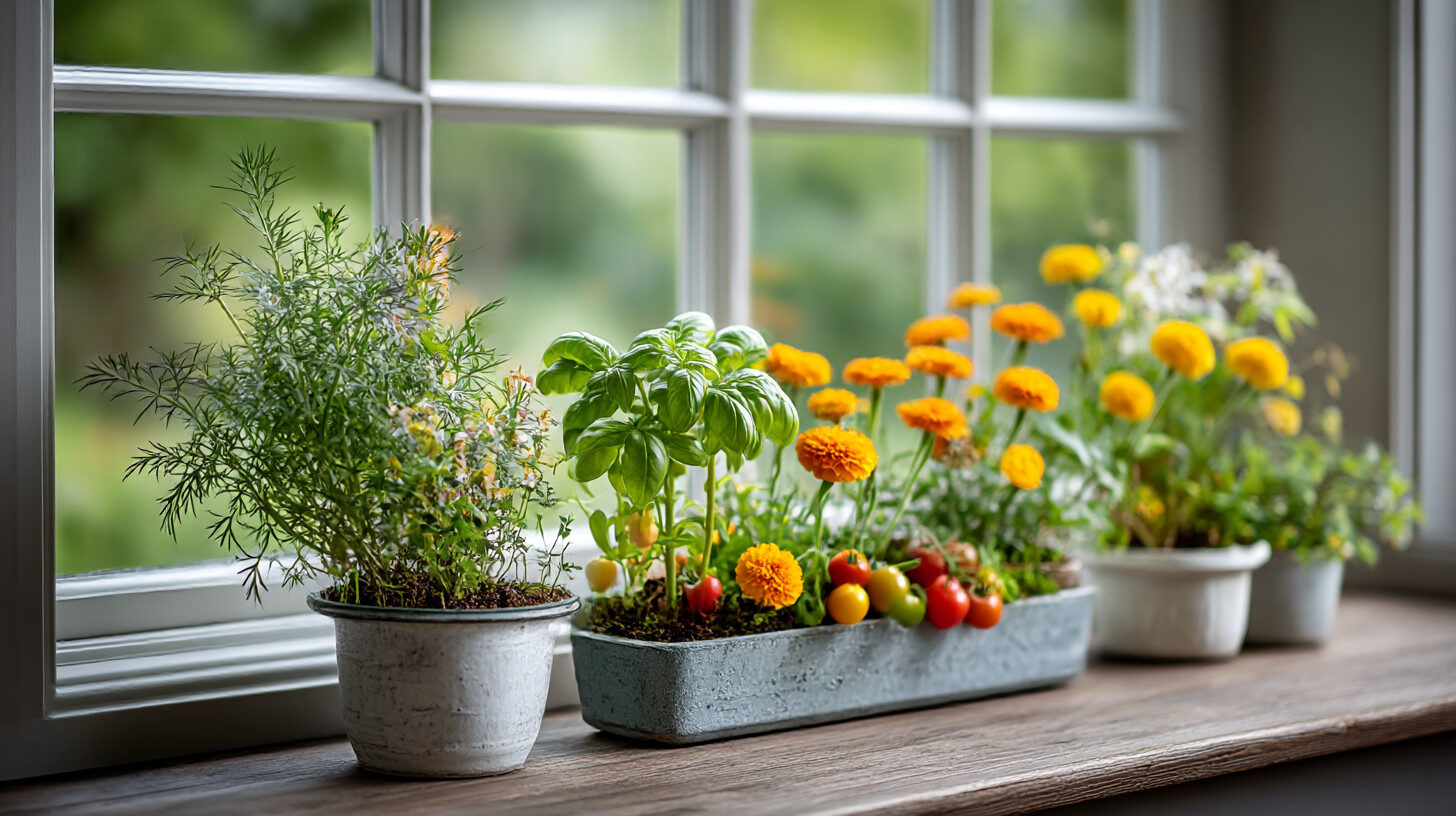
Don’t have land? No problem. You can practice companion planting and guild development in containers, window boxes, or even by volunteering at community gardens.
Start simple – plant basil next to your tomatoes, or tuck some marigolds between your vegetables. Watch what happens. Do the plants seem happier together? Are there fewer pest problems? Are you getting better yields?
These mini-experiments teach you to think in relationships rather than individual plants. When your PDC instructor starts talking about nitrogen-fixing plants and beneficial insect habitat, you’ll have real experience to draw from.
Design Your Ideal Day (The Invisible Structure Practice)
Here’s one that sounds weird but works: design your perfect daily routine as if it were a permaculture system. What time do you naturally wake up? When is your energy highest? How do different activities connect and support each other?
Maybe your morning garden check flows naturally into breakfast prep with fresh herbs. Maybe your afternoon writing session works better when it’s positioned to catch the natural light, saving electricity.
This exercise helps you understand what permaculture folks call “invisible structures” – the patterns and relationships that make systems work smoothly. It’s designing for human energy and natural rhythms, which is just as important as designing for plants and water.
Practice the One-Straw Revolution
Masanobu Fukuoka wrote about doing more by doing less – working with natural systems instead of fighting them. Try this in your own space, even if it’s tiny.
Instead of raking every single leaf, leave some in place to decompose and feed the soil. Instead of watering everything equally, group plants by their water needs. Instead of fighting that shady corner, find plants that prefer shade.
These small shifts in thinking—moving from control to cooperation—are at the heart of permaculture design. Practice them now, and the ethics and principles covered in your PDC will become intuitive.

Build Your Observation Toolkit
Start gathering some basic tools that will serve you well during and after your PDC:
A simple rain gauge helps you understand your local water patterns. A soil thermometer shows you microclimates in your space. Even a basic pH test kit can reveal why certain plants thrive in some spots but struggle in others.
But honestly? Your most important tool is a notebook or phone camera for recording observations. When you get to the design project portion of your PDC, you’ll have months of data to draw from instead of trying to assess everything in a weekend.
Start learning about your local ecosystem now. What plants are native to your area? What were the original soil and water patterns before development? Which indigenous communities stewarded this land, and what can you learn from their practices?
This isn’t just academic research – it’s practical preparation. Your PDC instructor will talk about working with natural patterns, but they can’t cover every local detail in 72 hours. The more you understand your specific place, the better you’ll be able to apply permaculture principles there.

Find Your Why
Here’s the most important prep work: get clear on why you want to learn permaculture design. Are you dreaming of a small farm? Want to help your community become more resilient? Hoping to reduce your environmental impact while saving money?
Your “why” will help you focus during the course and guide your decisions afterward. Instead of trying to absorb everything equally, you can pay special attention to the sections most relevant to your goals.
The dirty little secret about permaculture education is that the best learning happens through hands-on experience, mistakes, and gradual observation over time. The PDC provides you with frameworks and principles, but understanding them comes from applying these principles.
By starting that application process now – even in small ways – you’re not just preparing for a course. You’re beginning your real permaculture education.
When you do sign up for that PDC, you won’t be the person frantically taking notes and hoping it all makes sense later. You’ll be the person asking thoughtful questions, sharing relevant observations, and connecting new concepts to things you’ve already experienced.
That’s when permaculture design stops being something you’re learning about and starts being something you know how to do.
Ready to start practicing? Pick one thing from this list and try it this week. Then pick another one next week. By the time you’re ready for your PDC course, you’ll already be thinking like a designer.
And that changes everything.
Take the Next Step: Join a Permaculture Design Certificate Course
Once you’ve spent a few weeks or months practicing these observation and design skills, you’ll be ready to dive deeper. That’s where a comprehensive Permaculture Design Certificate course comes in.
Unlike trying to piece together permaculture knowledge from random blog posts and YouTube videos, a proper PDC course provides you with a comprehensive framework for understanding. You’ll learn the ethics and principles that guide all permaculture work, master the design process that turns observations into actionable plans, and connect with a community of like-minded people on similar journeys.
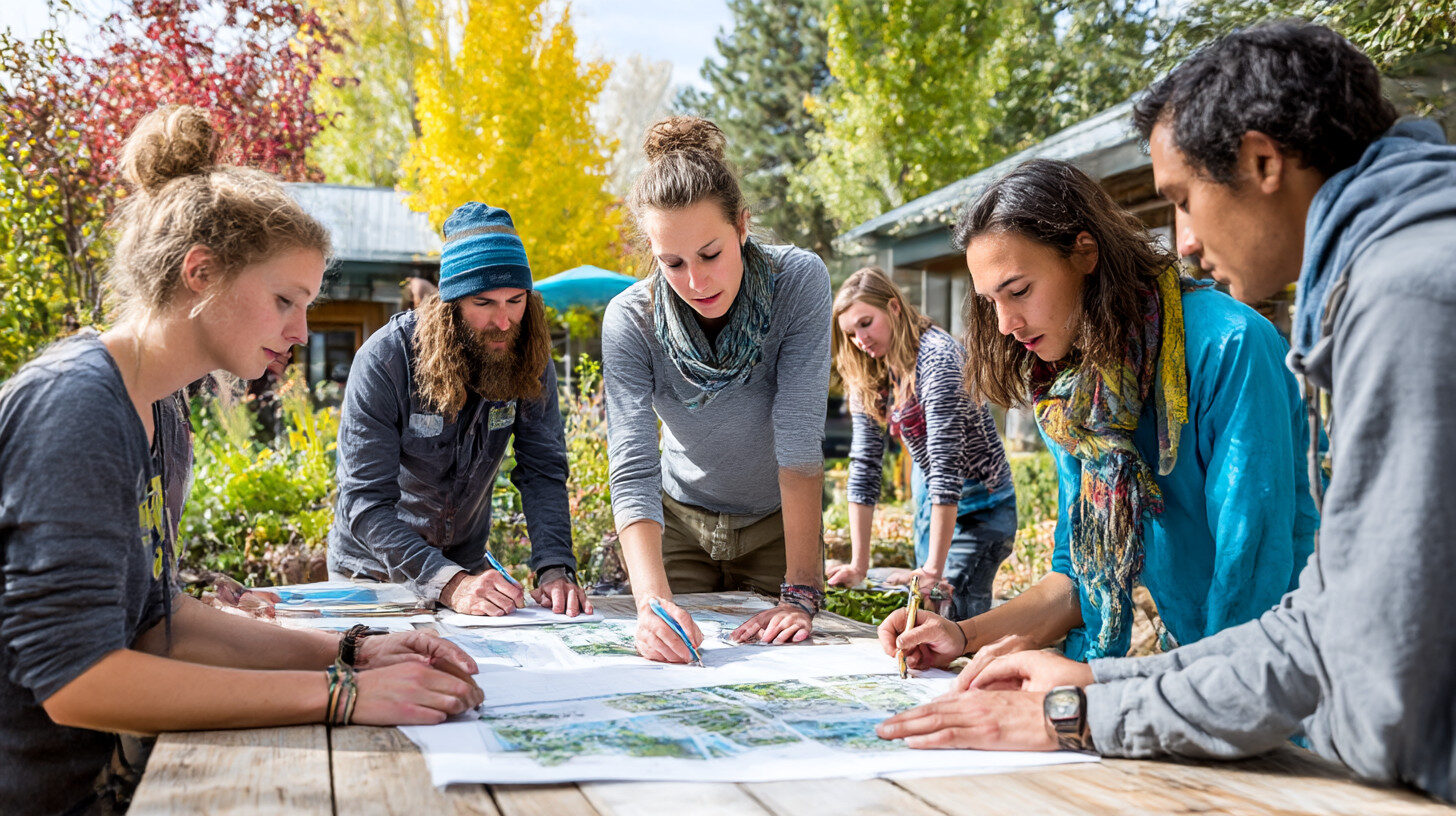
Most importantly, you’ll work on a real design project with feedback from experienced instructors. This isn’t just theory – it’s hands-on practice that prepares you to tackle your own land, help others with theirs, or even start a career in sustainable design.
Explore our Permaculture Design Certificate courses and find one that fits your schedule, location, and learning style. With the preparation work you’ve already done, you’ll be ready to make the most of every single hour.
Your sustainable future starts with the next step you take. Why not make it a well-prepared one?
