

A Journey Through Time: The History and Origin of Agroforestry
Agroforestry, the ancient practice of combining trees with crops and animals, has roots that spread across time and cultures. It’s not just a modern technique for food production but a profoundly regenerative system with origins steeped in traditional knowledge passed down through generations.
Early Beginnings
Before “agroforestry” was coined, indigenous peoples worldwide already used this method to nurture and interact with the land. In tropical regions, particularly in South and Central America, indigenous communities practiced forest gardening. They cultivated various trees, shrubs, and crops in layered systems that mimicked the natural structure of the forest, ensuring food security while protecting the environment. These multi-layered systems weren’t just about growing food; they promoted a balance with nature that allowed ecosystems to flourish.

Agroforestry Across Cultures
Agroforestry didn’t just flourish in the Americas. Around the world, different cultures have embraced tree-based systems for centuries:
- Africa: In West Africa, the parkland system is one of the oldest agroforestry practices. Farmers grow crops like millet and sorghum beneath scattered trees, such as baobabs and shea, which provide fruits, oils, and shade. These trees also improve soil fertility, vital in regions where the land is often dry and difficult to farm.

- America: In the Americas, pre-Columbian societies developed complex multi-story agriculture by layering various crops, trees, and shrubs in a single space, mimicking natural ecosystems. This method maximized vertical space, allowing for more extraordinary biodiversity, enhanced soil fertility, and more resilient crop systems. These early agroforestry techniques are now recognized as precursors to modern food forests, which integrate multiple plant species to create sustainable, self-sufficient agricultural systems.

- Asia: In Southeast Asia, the home garden system has been a staple of rural life for thousands of years. Families grow fruit trees, timber, vegetables, and medicinal plants around their homes, creating mini-forests that provide year-round harvests. This intimate connection between trees and agriculture can still be seen today, as smallholder farmers use these gardens to meet their daily needs.

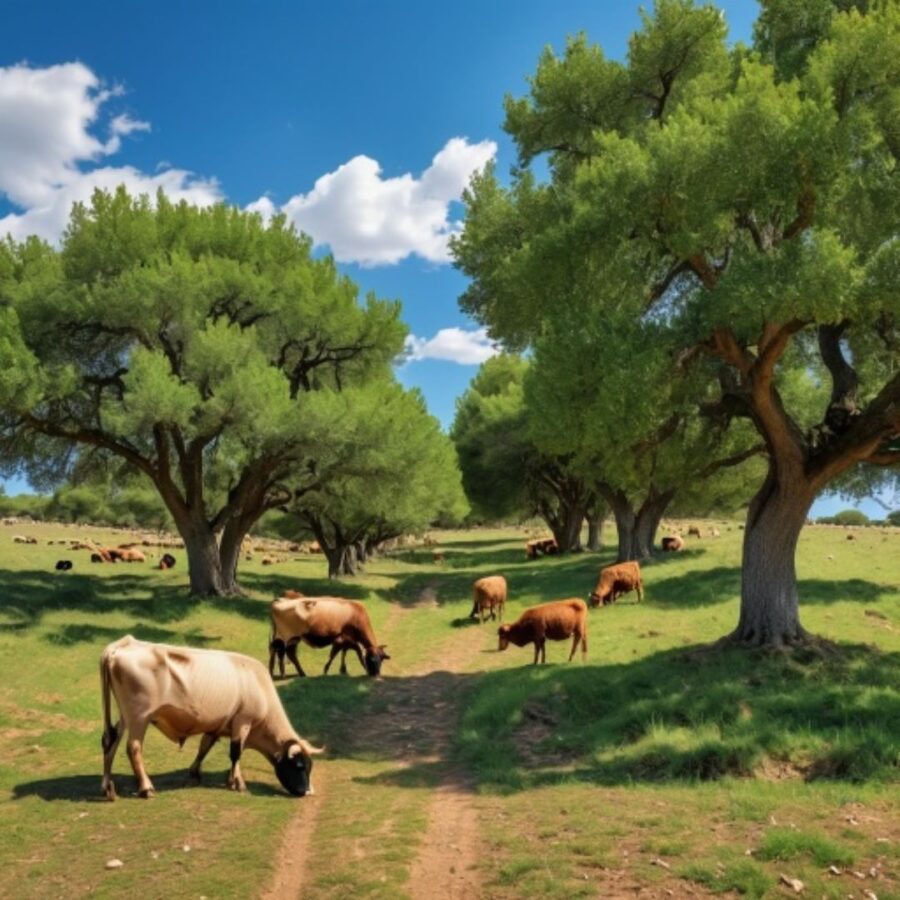
- Europe: Agroforestry in Europe has its roots in medieval practices like silvopasture, where livestock grazed in forests or on land interspersed with trees. These systems allowed for the production of both timber and meat while ensuring the land remained fertile and productive over time.
Image 5 Photo by Author
Modern Agroforestry: A Return to Ancient Wisdom
Though agroforestry may seem like a new concept to many, it’s a return to ancient wisdom that has long recognized the importance of integrating trees into agricultural systems. Today, with modern challenges like soil degradation and climate extremes, agroforestry offers a regenerative solution that works in harmony with nature.
As we embrace this ancient practice in modern contexts, it’s worth remembering the indigenous communities and traditional farmers who have cultivated the wisdom of working with trees for thousands of years.
If you want to learn more about Agroforestry and Food Forests, enroll in the Introduction to Agroforestry or Food Forest Design courses.
