The Future of Agroforestry: Growing a Regenerative World
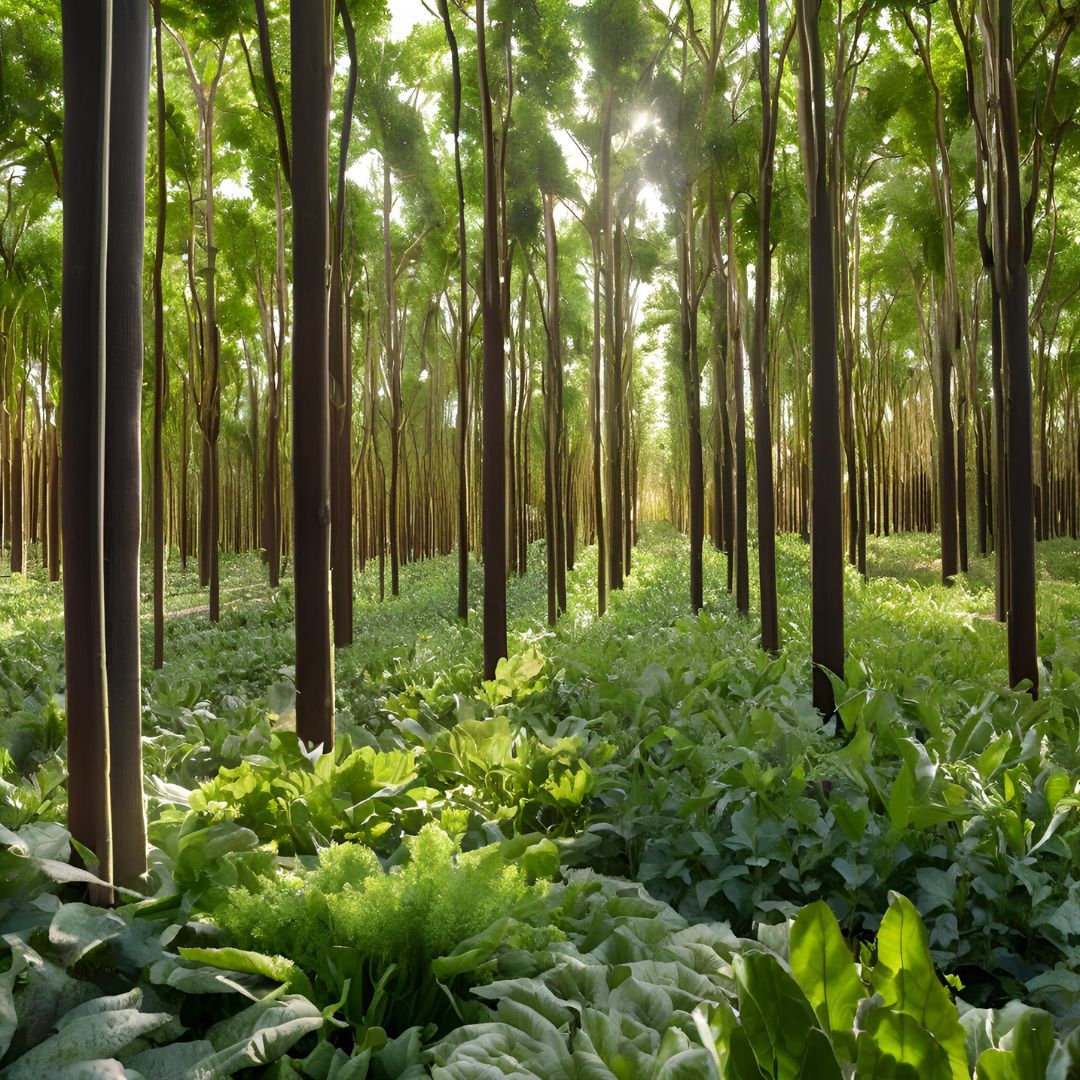
Agroforestry is not just a nod to the past—it’s a vision for the future. As we look for ways to restore landscapes, increase food security, and nurture biodiversity, agroforestry is a regenerative system that addresses many of today’s environmental and agricultural challenges.
The Benefits of Agroforestry
Agroforestry offers a multitude of benefits that extend far beyond just growing food. Here’s why it’s becoming an essential practice for the future:
- Improved Soil Health: Trees in agroforestry systems help enrich the soil. Their roots stabilize the land, prevent erosion, and promote nutrient cycling, keeping the soil fertile and healthy for years.
- Climate Resilience: By creating microclimates, agroforestry protects crops and livestock from extreme weather events like droughts, floods, and heat waves. Trees provide shade, retain moisture in the soil, and act as windbreaks, giving the entire system greater resilience.
- Biodiversity Boost: Agroforestry encourages a rich diversity of species. From beneficial insects to birds and mammals, a well-designed agroforestry system is a hub for life, supporting ecosystems and wildlife habitats.
- Economic Diversity: Integrating trees into agricultural systems benefits the environment and provides multiple income streams. Farmers can harvest timber, fruits, nuts, and medicinal plants while also rearing livestock, making their livelihoods more resilient.
Essential Concepts in Agroforestry
Agroforestry is built on several fundamental principles that set it apart from traditional agriculture:
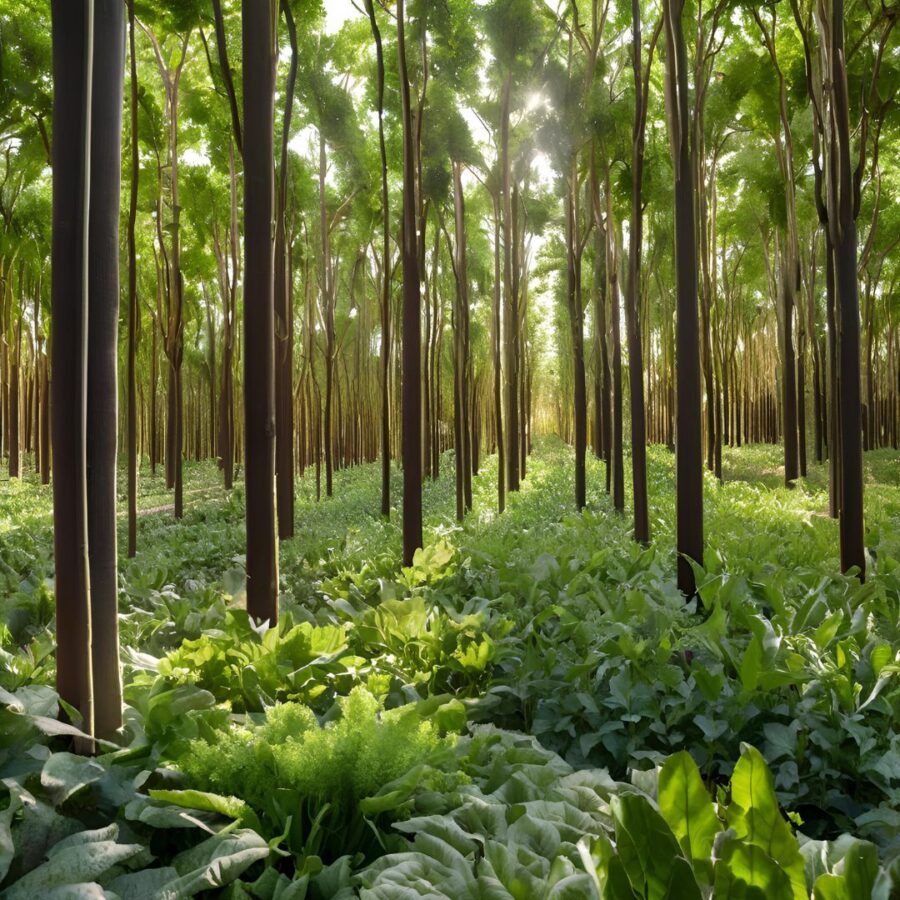
- Layering: Like a natural forest, agroforestry relies on multiple layers of plants, from tall trees to ground-cover crops. This maximizes the use of space and resources, ensuring that every part of the system plays a role.
- Diversity: Unlike monoculture farming, agroforestry is rooted in diversity. Growing various plants together reduces the risk of pests and diseases, improves soil health, and creates a more dynamic ecosystem.
- Regenerative Cycles: Trees in agroforestry systems are crucial in maintaining nutrient cycles. They capture carbon, release oxygen, and contribute organic matter to the soil, fostering a regenerative process that enhances the land over time.
What’s Needed for Agroforestry to Thrive?
The future of agroforestry depends on a few key elements:
- Knowledge and Training: Farmers and landowners need access to education and resources to understand how to design, implement, and manage agroforestry systems effectively. The complexity of these systems requires a solid understanding of how different species interact and how to manage them for long-term productivity.
- Policy Support: For agroforestry to truly flourish, governments and institutions must offer support through policies that encourage regenerative farming practices, provide financial incentives, and promote land conservation.
- Community Engagement: Agroforestry thrives when it’s part of a community effort. Farmers, scientists, and local communities must work together to create systems that benefit the environment and the people who depend on it.
Looking Forward: Agroforestry’s Role in a Regenerative Future
As we face global challenges like soil degradation, food insecurity, and climate extremes, agroforestry offers a regenerative path forward. By blending traditional wisdom with modern knowledge, agroforestry has the potential to heal landscapes, strengthen ecosystems, and build a future where humans and nature coexist harmoniously.

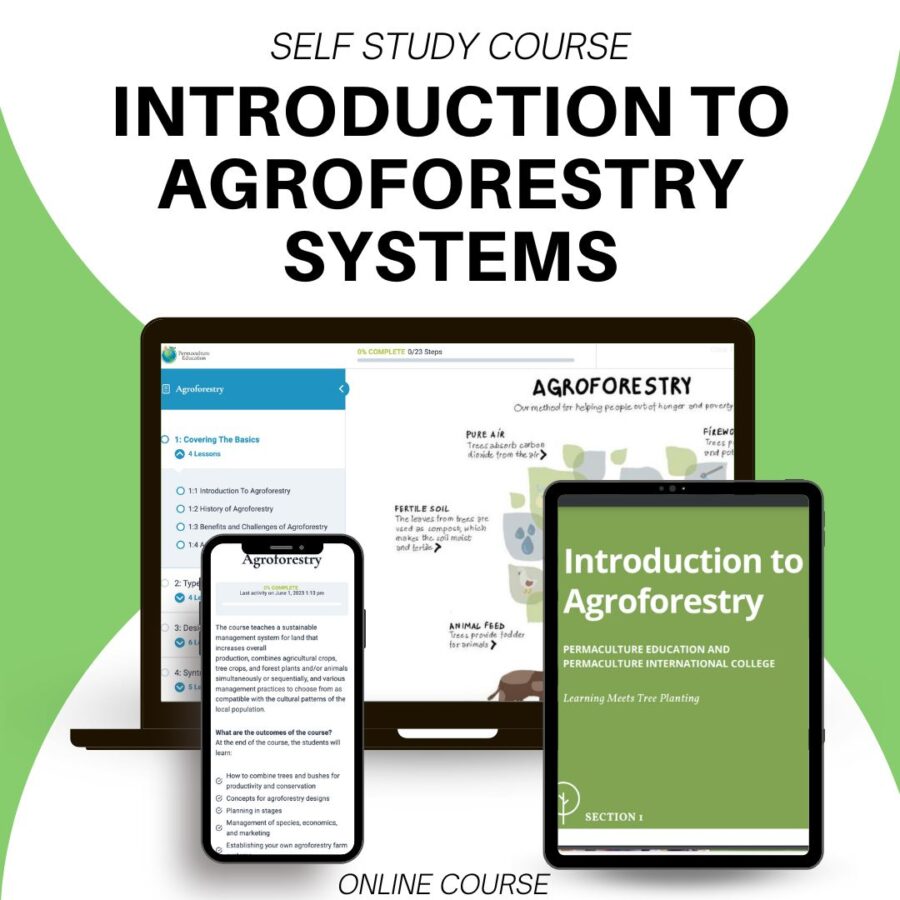
Agroforestry’s future is bright, and with the right support, it can become a cornerstone of regenerative agriculture worldwide. For those eager to learn more and dive deeper into this topic, check out our Introductory Course on Agroforestry! Let’s grow a regenerative future together!