
Flourish and Thrive: My Food Forest Adventure
My Journey into Nature and Permaculture
I spend most of my time in nature, captivated by the incredible diversity of Mother Earth and the rich cultures of natural peoples. Permaculture Design found its way into my life many years ago, and it’s been a transformative journey.
After immersing myself in the writings of Rudolf Steiner and studying biodynamic farming, I discovered my true calling in Permaculture Design. I visited numerous gardens, participated in the Food Forest Design training course, and read everything I could get my hands on. This year, I finally took the plunge and enrolled in the Permaculture Design Course (PDC), which set the foundation for my very own Forest Garden.
Building the Demeter-Garden: A Labor of Love
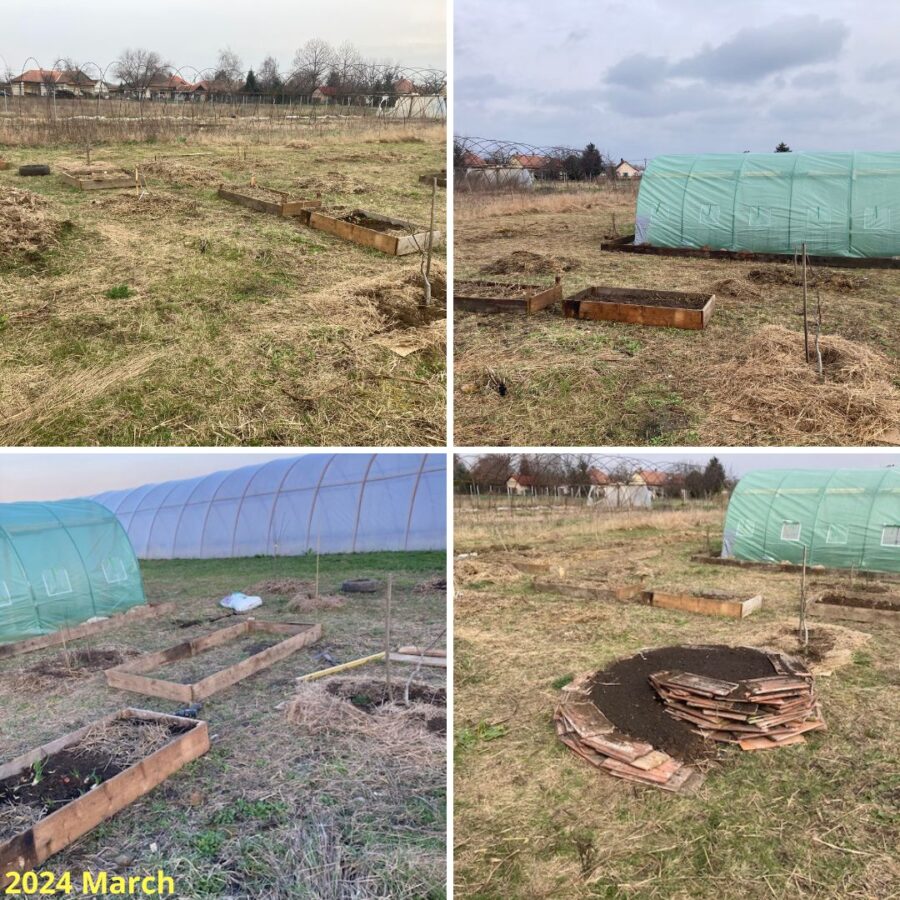
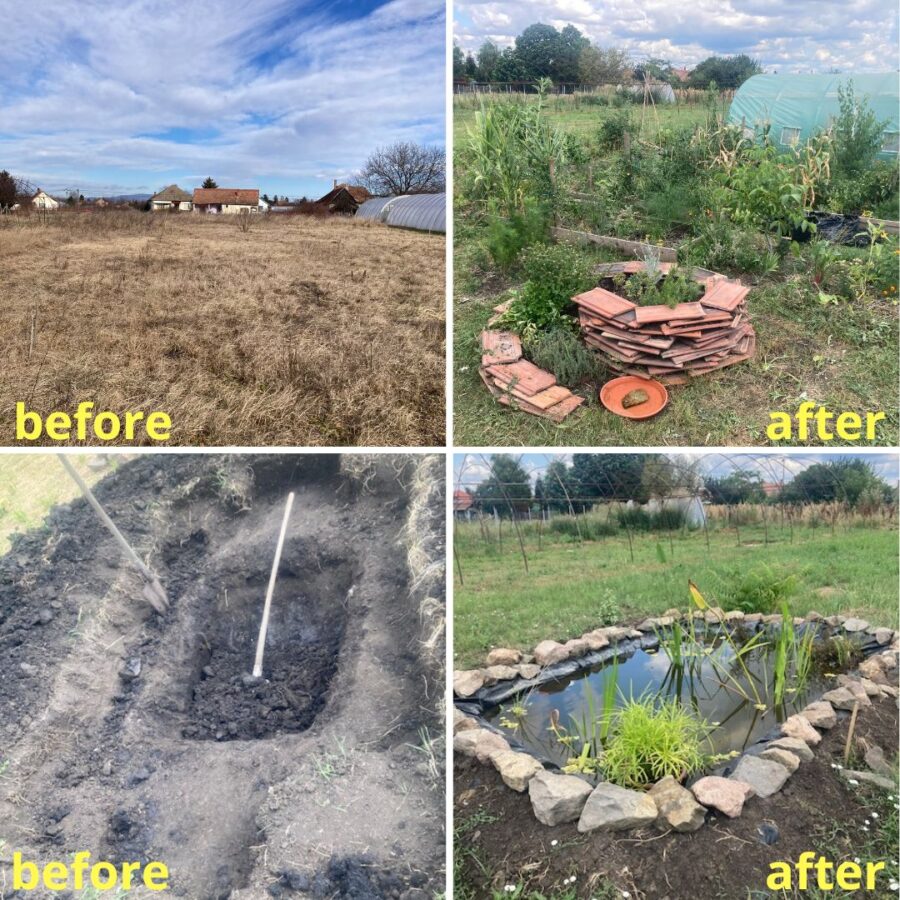
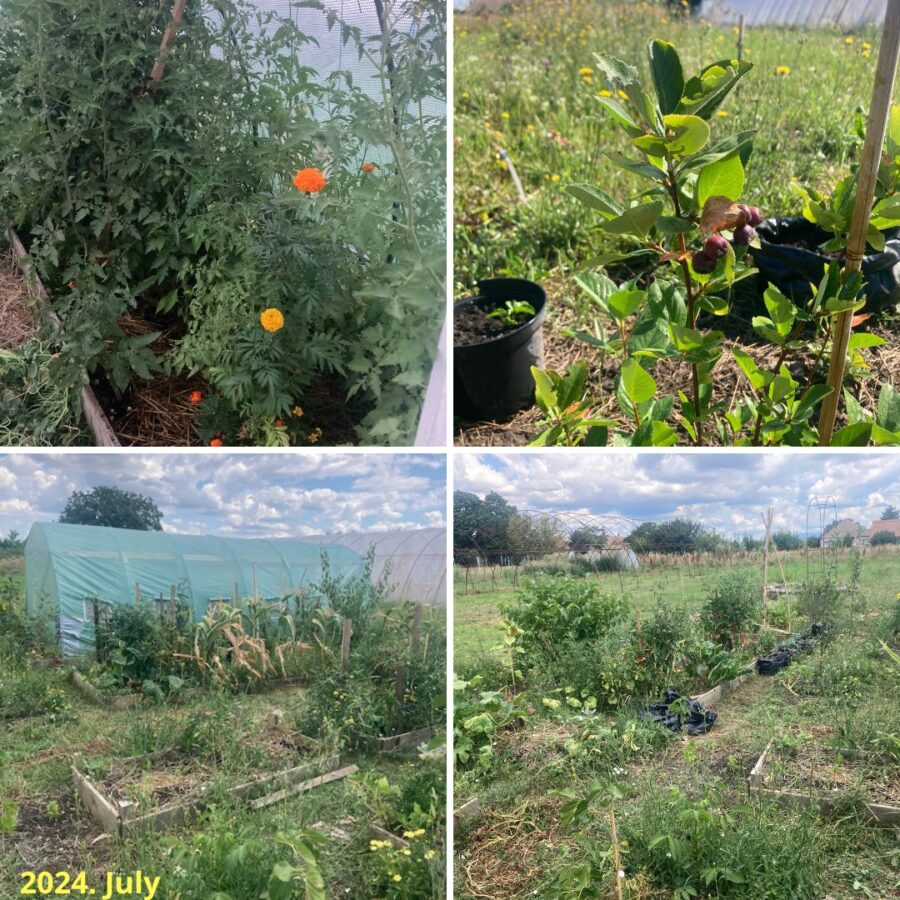
The Demeter-garden, spread over 1,200 square meters, is my creative canvas. With 900 sqm dedicated to the forest garden and 300 sqm serving as the backyard, it’s a vibrant mix of vegetable and wildlife gardens.
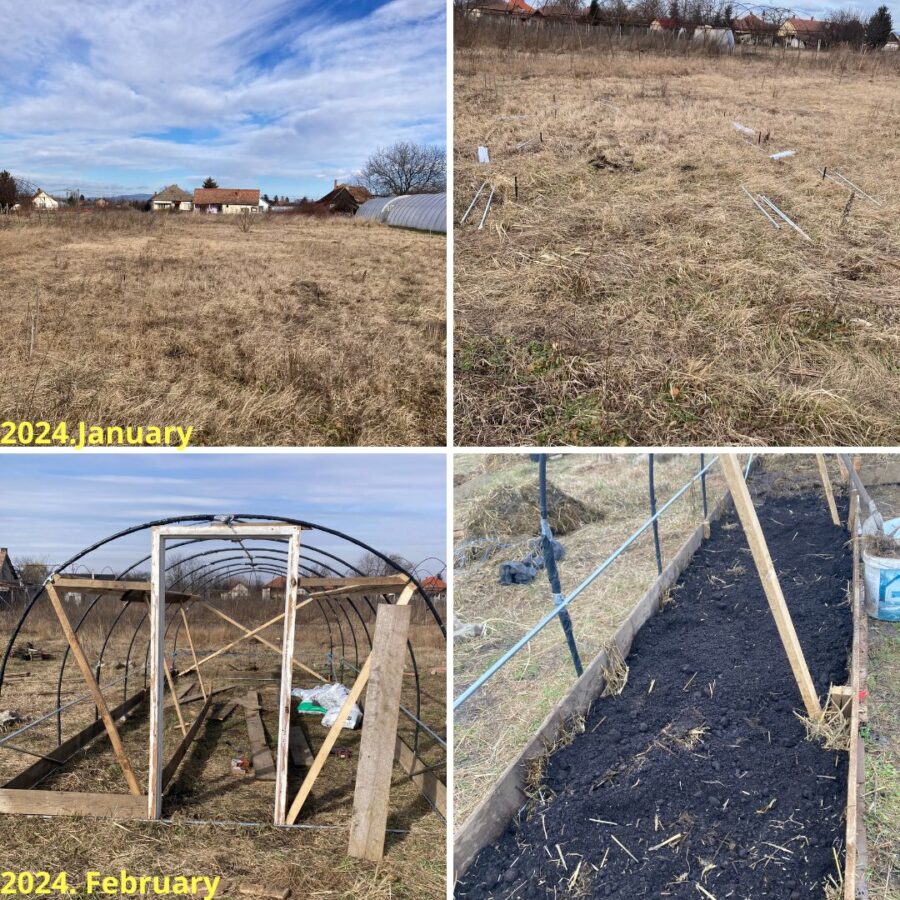
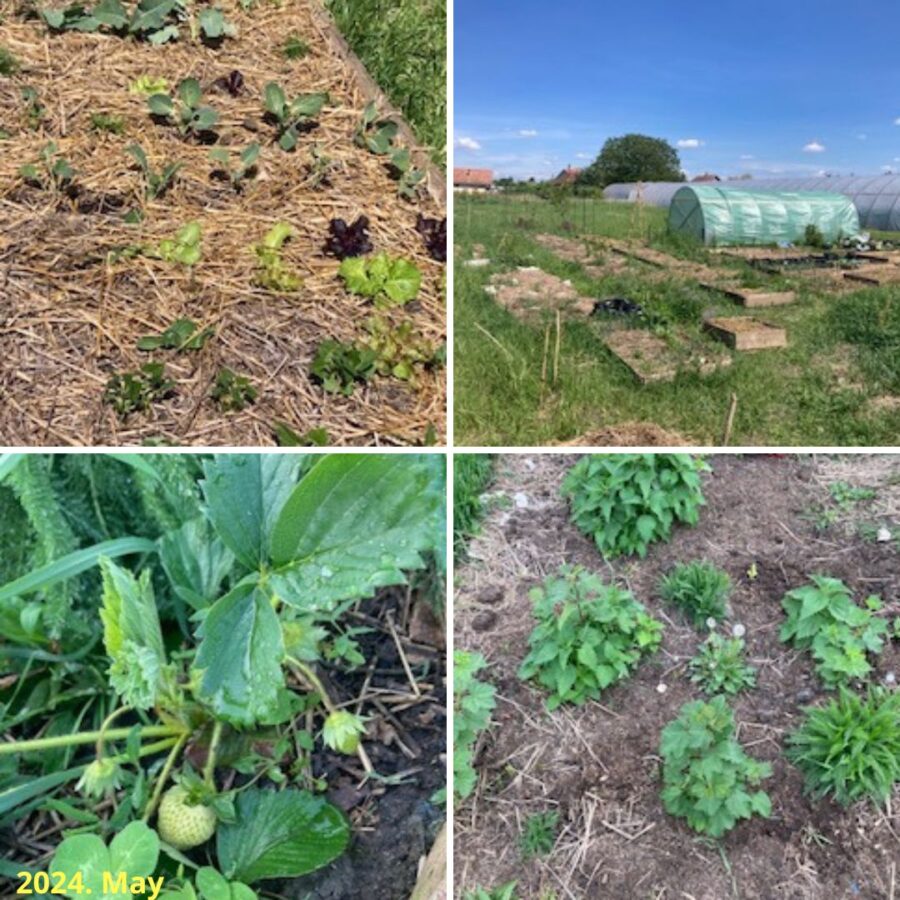
In the vegetable garden, I faced a challenge with the soil quality, so I created deep mulch and raised beds to give my plants the best chance to thrive. The trees are still young, so shade is sparse, but I’ve started forming fruit tree guilds and installed a polytunnel to nurture seedlings and diverse vegetable cultivation.
Embracing Polyculture
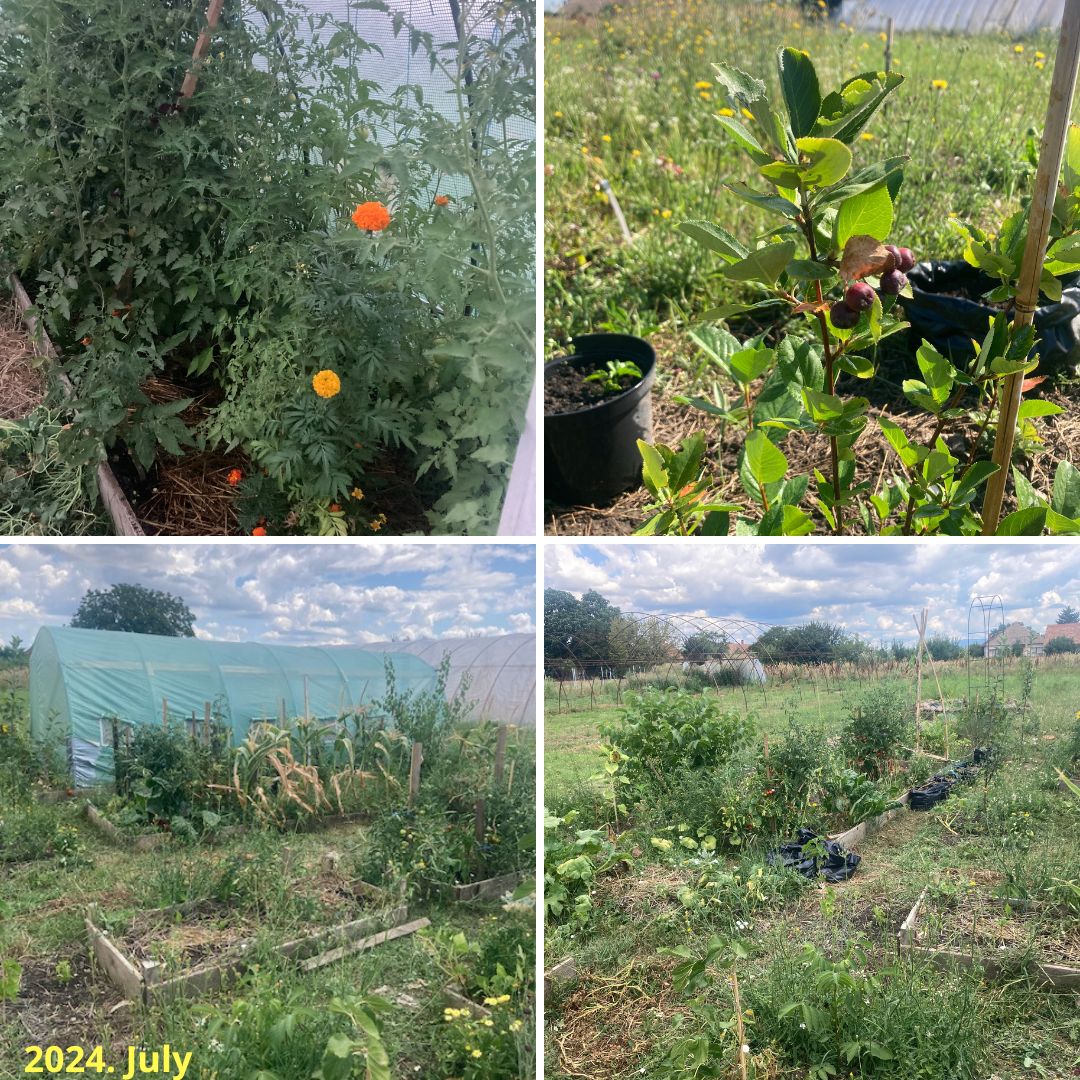
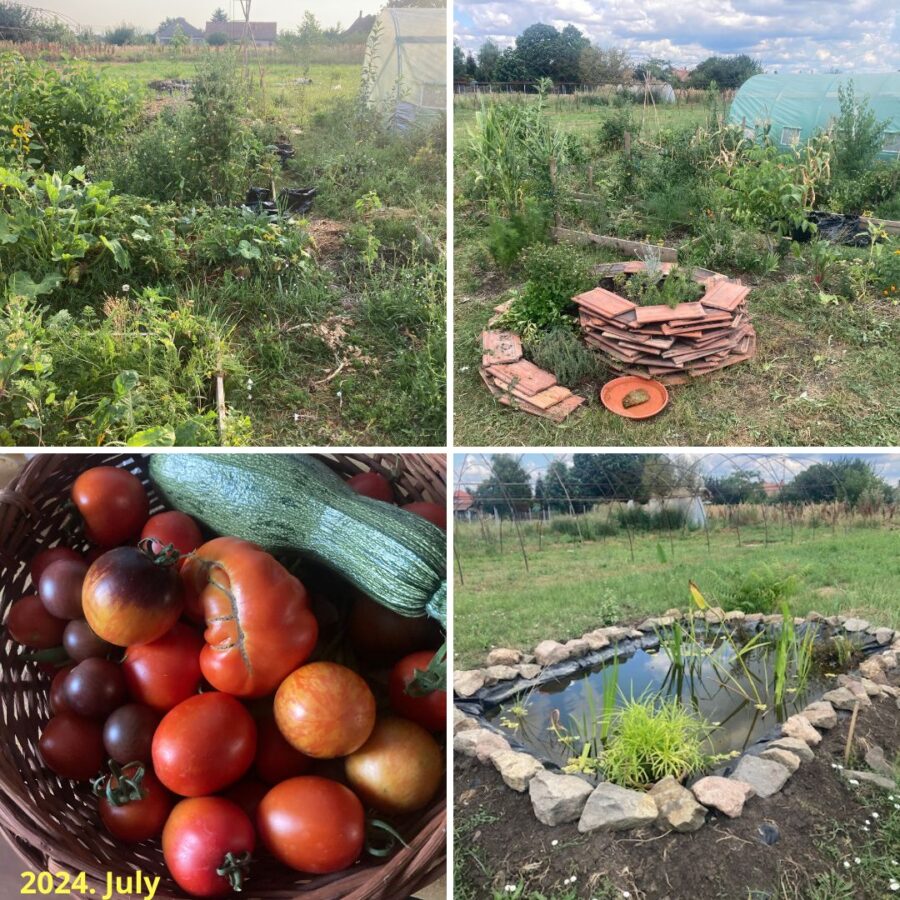
Vegetable cultivation in my garden follows the Permaculture Principle of Polyculture. Alongside peppers, tomatoes, and lettuce, I’ve planted marigolds, borage, and cornflowers, using the three sisters companion planting system. This diversity enhances growth and supports the overall ecosystem.
Behind the polytunnel, I’ve begun work on a small garden pond. It’s still a work in progress, with the outer part waiting for planting, but it already adds a peaceful touch to the garden.
Diversity in Flora
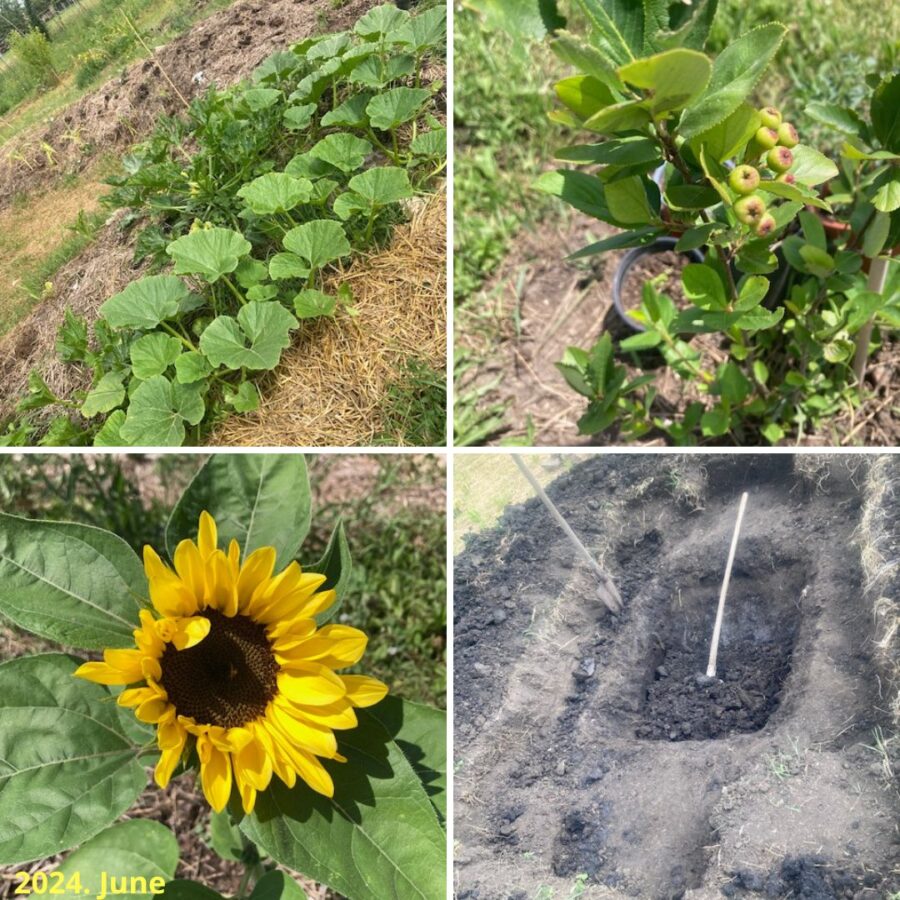
My garden is home to 41 fruit trees, 6 ornamental shrubs, and 12 types of ornamental trees, along with various perennial flowers, spices, and herbs. Each plant was carefully chosen for its multiple functions, ensuring a balanced and functional ecosystem.
Challenges and Lessons Learned
Of course, this journey hasn’t been without its challenges. The lack of shade and rain makes mulching vital, and while the Polyculture associations are thriving, the garden constantly provides feedback on what’s working and what needs adjustment.
For example, in some areas where I used cardboard layers, grass regrowth has been stubborn, making it difficult to manage. The pollinator flowers, though abundant, still need to be planted more extensively to attract enough pollinators.
I also had to extend the time for sowing and planting due to delayed bed preparation. Beds were strategically placed to capture rainwater from the polytunnel, but the lack of rain led to rapid soil drying, requiring additional watering.
Future Plans
Despite these hurdles, the garden is a place of growth and beauty, and I’m excited about the future. Here’s what’s next on the horizon:
- A herbal walkway and women’s healing space
- An earth oven for baking bread and pizza
- A section dedicated to perennial flowers
- A wildflower garden area
- A detailed plan for the edges
- The placement of bird feeders and an insect hotel
The garden is my sacred space, a place where I can connect with nature and the Mother Goddess. Walking through it with a cup of coffee in hand is pure bliss.
If you are interested in learning more about Food Forests, visit our website and enroll in our Food Forest Design Mini Course!
If you would like to learn more about Permaculture Design – become a certified Permaculture Designer with us!
