

Permaculture in Practice: Regenerative Solutions for Everyday Life
The intricate life-supporting systems of our planet are being challenged with each passing day. In this chaotic landscape, permaculture emerges as a beacon of hope, presenting a comprehensive, intelligent, and holistic solution to these pressing issues. Its approach is practical and deeply rooted in the interconnectedness of communities and living systems, offering a profound opportunity for collaboration and collective action. Permaculture transcends mere theory; it is a vibrant movement that ignites passion, fosters unity, and provides tangible steps towards achieving regenerative practices and fostering the rejuvenation of individuals and their environments.
Small Actions, Big Impact
So, how do we apply permaculture to our daily lives? The grassroots approach is a bottom-up method of creating change or implementing initiatives. It involves starting at the local level, often with individuals or small groups, and this guide helps you achieve the ‘how.’
We can start by applying the principles of permaculture to our daily lives.
1. Observe and interact
Paying attention and acting upon our observations is crucial for transitioning towards a more ethical and enduring lifestyle. Drawing insights from nature and fellow individuals. Acting with intention and thoughts creates more fulfilling results. Here’s how you can implement the theory in your daily life.
Meal planning:
You can use the “Observe and Interact” principle to plan meals by ‘observing’ the ingredients you already have and ‘interacting’ with the family members to understand their dietary preferences or requests. This can minimize food waste and feed everyone efficiently.
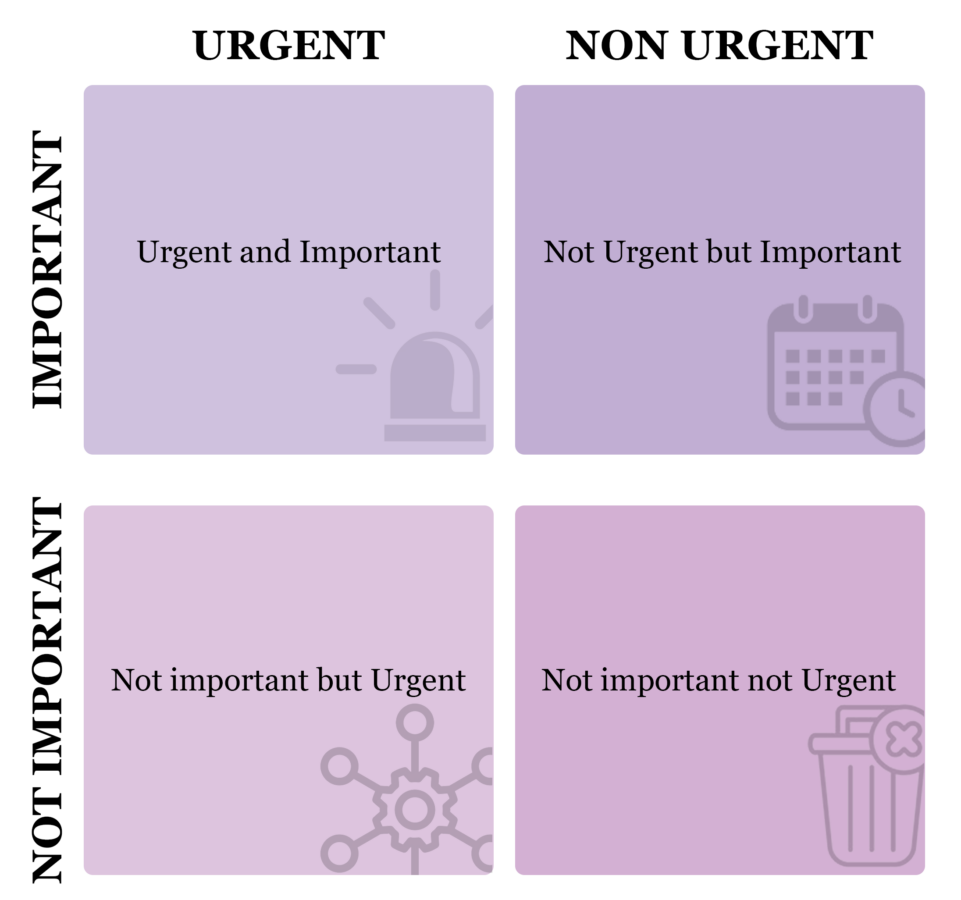
Time Management:
By observing your daily routine and tasks, you can segregate them according to priority. By interacting, such as reflecting on your energy levels and productivity time/ environment, you can complete the taste effectively and lead a balanced lifestyle.
Community Development/ Urban Planning:
Consider a project for revitalizing a neglected urban space. Before implementing any changes, they could apply the “observe and interact” principle by observing how people currently use the space, what features are valued, and what improvements are needed. This observation allows them to interact with community members to gather insights, ideas, and feedback.
By deeply understanding the community’s needs and patterns, planners can design more responsive and effective interventions.
2. Catch and store energy
Energy is abundant on our planet. Learning how to catch and store that energy – in plants, with renewable energy infrastructure, or in other ways, is key.
Food Preservation:
Methods like canning, freezing, and drying also embody the principle of catching and storing energy. When you harvest or purchase fresh produce at its peak and store it efficiently, you capture the energy stored in the food. You can “store” that energy for later consumption, extending the shelf life and reducing waste.
Financial Savings:
Saving money or investing can also be seen as “catching and storing energy “ in the financial realm. Earnings are a way of catching income and saving or investing them is a way of storing that income for future use. Like energy conservation, efficient financial management allows you to make the most of your resources and build resilience for the future.

3. Obtain a yield
It emphasizes the importance of ensuring that our actions result in tangible benefits or yields.
Learning and Personal Development:
When we invest time and effort into learning new skills, pursuing hobbies, or engaging in personal development activities, we obtain a yield of knowledge, growth, and self-improvement. This yield includes expanded capabilities, increased confidence, and a sense of fulfillment and accomplishment.
Composting Kitchen scraps at home:
By collecting kitchen scraps and composting them with other organic materials like leaves and grass clippings, you can create nutrient-rich soil for your garden. Regularly turning and maintaining the compost pile ensures proper decomposition, yielding rich compost that enhances soil fertility and supports healthier plant growth. This practice reduces waste and promotes regenerative gardening by minimizing the need for chemical fertilizers and maximizing the productivity of your garden at home.
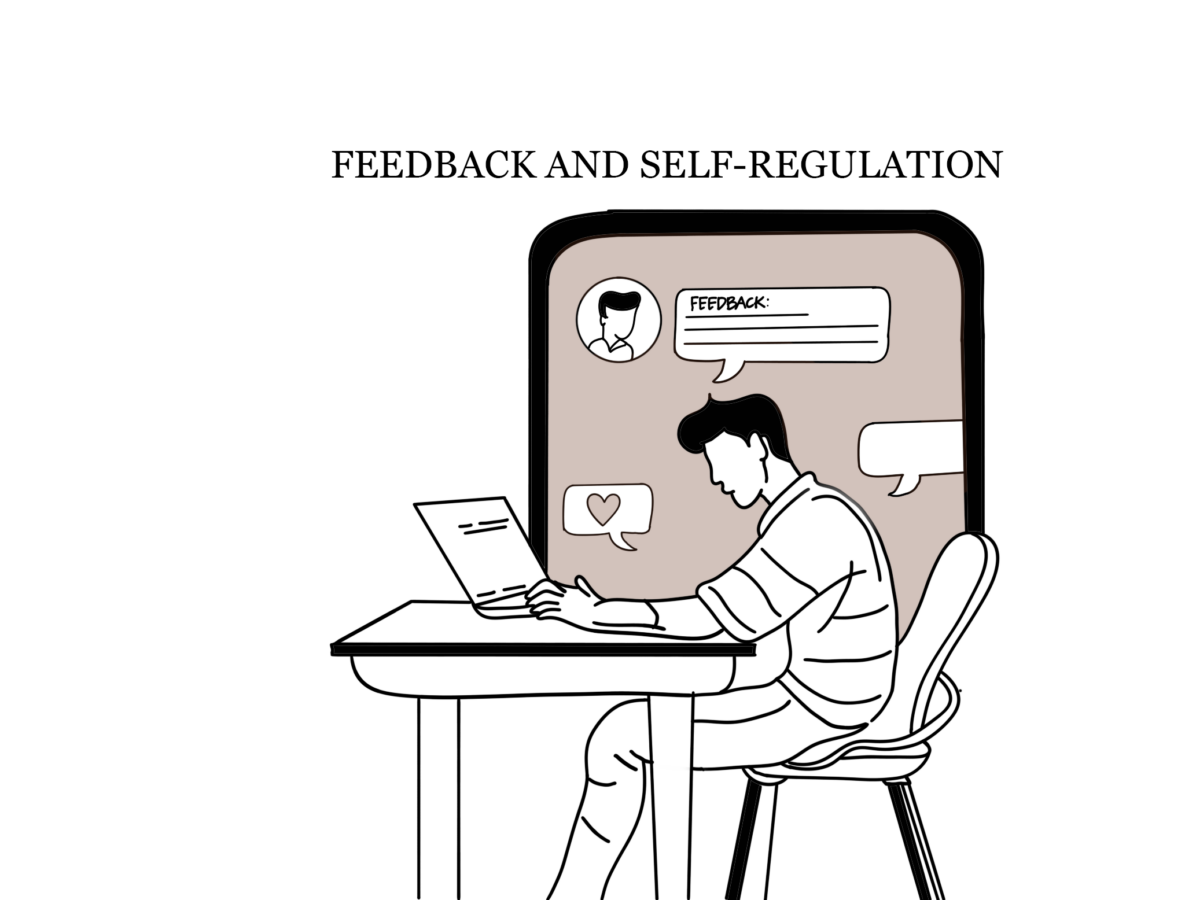
4. Apply self-regulation and accept feedback
Recognizing our successes and failures is crucial for effecting meaningful and enduring change. Through thoughtful analysis of the items we introduce into our households, we can improve future purchasing choices and curb excessive consumption by prioritizing reduction, reuse, recycling, and responsible consumption practices.
Environmental Durability:
In our efforts to reduce environmental impact, applying self-regulation involves adopting eco-friendly practices such as reducing waste, conserving energy and water, and minimizing our carbon footprint, as simple as collecting plastic in and around your household. Accepting feedback can involve monitoring our resource consumption, assessing the effectiveness of our efforts, and adjusting our behaviors based on feedback from environmental indicators or input from environmental experts and organizations. In this instance, the collected plastic is being checked to see whether it is being sent to a trusted source, whether it is making an impact, and what their practices are.
Communication and Conflict Resolution:
Self-regulation involves practicing active listening, managing emotions, and communicating assertively and empathetically when navigating interpersonal relationships and conflicts. Accepting feedback might involve reflecting on our communication style and its impact on others and seeking feedback from others on how we can improve our communication and resolve conflicts more effectively.
5. Use and value renewable resources and services
One way to apply the principle of “use and value renewable resources and services” in our daily lives is to transition to renewable energy sources for powering our homes or vehicles, such as solar power, wind power, hydroelectric power, etc.
We reduce our environmental impact and contribute to the transition towards a more regenerative and resilient energy system.
Reusable Products:
We can use and value renewable resources by opting for reusable alternatives to single-use items such as plastic water bottles, disposable utensils, or paper towels. For example, using a refillable water bottle, reusable shopping bags, carrying your metal straw, and thrifting clothes can help reduce waste and reliance on finite materials.
Public Transportation and Biking:
Choosing public transportation, biking, or walking instead of driving alone in a car can help reduce our dependence on fossil fuels and promote renewable transportation options. By using and valuing these regenerative modes of transportation, we can minimize air pollution, conserve energy, and reduce greenhouse gas emissions.
6. Produce no waste
Transitioning to a zero-waste lifestyle involves assessing the waste we discard and striving to minimize or eliminate it.
Bulk Shopping:
Purchasing items like grains, nuts, and spices from bulk bins using reusable containers or bags eliminates the need for excess packaging and reduces waste from single-use packaging materials like plastic bags and containers.
Repair and Repurpose:
Repair or repurpose items instead of throwing them away when they break or become obsolete. This extends the lifespan of products and reduces the need for new purchases, ultimately reducing waste. Thrifting is another common example of ‘repurposing’, which has become trendy.
Time Management:
Using travel time to finish all work calls can be a great example of not “wasting” the most important resource: time.
7. Design from patterns to details
The most important consideration when applying this principle is reflection.
Creating a fitness routine:
When designing a fitness routine or workout plan, you can begin by considering the broader pattern of your fitness goals, physical capabilities, and time you can provide. Once you clearly understand your patterns, you can dive into the details of exercise selection, intensity, and progression.
Utilizing time and productivity:
You can start by identifying your daily patterns or routine, what you want to change, or something that can enhance your daily functioning. Once you identify the pattern, you can draw in details such as your energy levels during the day and plan your tasks according to priority. This helps you achieve realistic goals.
8. Integrate rather than segregate
Plants work well in diverse systems, and the same is true of people. Change is something we achieve together through collaboration and cooperation—it’s not something we do alone.
Green practices:
Rather than having a separate boundary wall and separate trellis for creepers – Use a net in the boundary that can be used as a trellis. The net can serve as a trellis for climbers and creepers, allowing plants to climb and spread along the boundary, adding greenery and beauty to the landscape. This integration optimizes space utilization and promotes biodiversity by providing vertical growing space for plants, which can attract beneficial insects and wildlife.
In addition to its functional benefits, integrating the net into the boundary promotes a harmonious relationship between the built environment and nature. Integrating natural elements into the built environment fosters a connection with nature and promotes environmental awareness and stewardship.
Companion Planting:
By identifying the herbs and plants that complement each other, you can integrate plantation rather than planting monocultures.
Meal Planning and Cooking:
Instead of preparing separate dishes with different ingredients, integrate diverse ingredients to create balanced and nutritious meals. Choose recipes that allow for the integration of multiple ingredients and flavors. For instance, make a one-pot meal like a stew or casserole that combines meat, vegetables, and grains, or create a Buddha bowl with a mix of grains, beans, greens, and toppings.
Streamline your cooking process by integrating tasks and using shared ingredients. For example, chop extra vegetables in multiple dishes or cook large batches of grains or proteins that can be repurposed into different meals throughout the week.
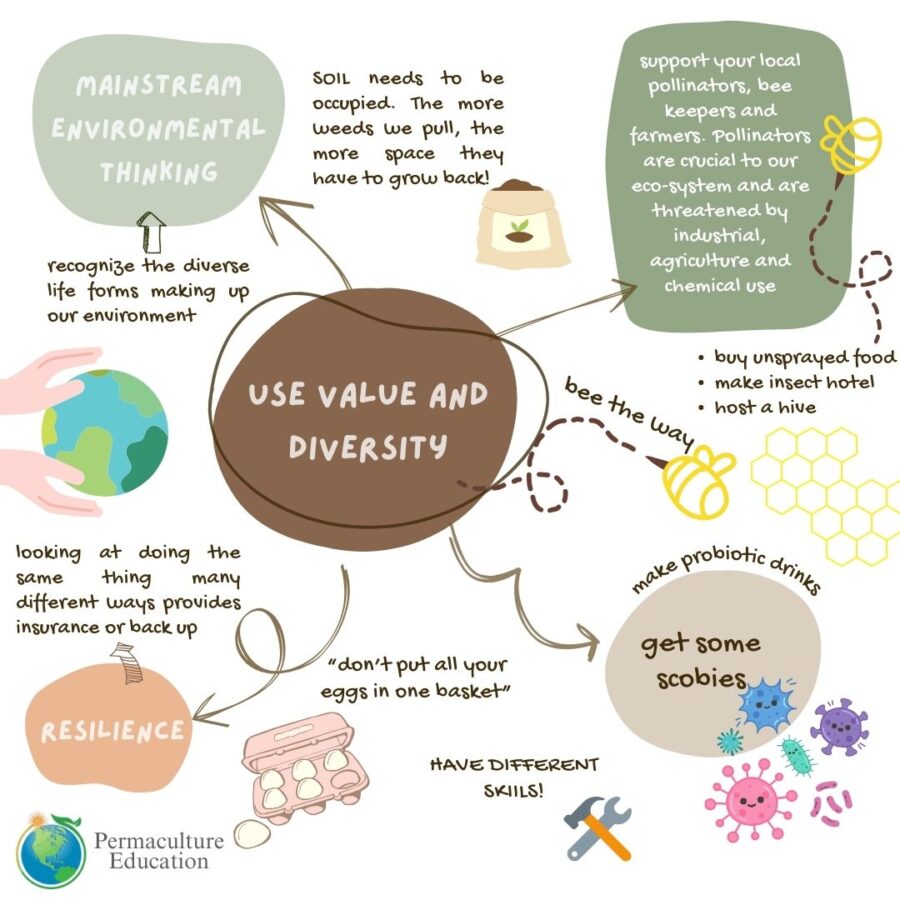
10. Use and value diversity
Mixed Plantings in Containers:
Create vibrant and diverse container gardens by mixing different plant species and varieties in your pots and planters. Combine flowering annuals, perennial herbs, and trailing vines to create visual interest and attract pollinators to your balcony or patio.
Vertical Gardens:
Install vertical gardening systems or living walls to maximize space and diversity in small outdoor areas. Grow various plants vertically, including edible greens, ornamental flowers, and air-purifying houseplants, to create a lush and multifunctional green space.
Music Discovery:
Create a multicultural music playlist with diverse genres, artists, and musical traditions worldwide. Explore genres like jazz, reggae, classical, hip-hop, folk, and traditional music from various cultures and regions.
You can discover new sounds and rhythms by listening to music from different countries and cultures, including African drumming, Indian classical music, Latin salsa, Middle Eastern oud, and Asian gamelan.
By embracing diversity in these smaller-scale aspects of daily life, you enrich your experiences, broaden your perspectives, and foster a greater sense of connection and appreciation for the world around you.
11. Use edges and value the marginal
It entails maximizing available resources across various domains such as land use, workplaces, homes, and society. Embracing this principle involves recognizing the value of margins and peripheral elements. This could mean utilizing overlooked outdoor spaces for food cultivation or adopting unconventional thinking to address challenges and opportunities.
Window Sills and Ledges:
Place potted herbs or succulents on sunny window sills to receive adequate sunlight. This will bring greenery into your home and maximize natural light exposure.
Identify areas with indirect or low light conditions, such as north-facing windows or shaded corners, and choose plants that thrive in these marginal light conditions. Opt for low-light tolerant houseplants like pothos, snake plants, or peace lilies to brighten dim areas.
Community Spaces and Public Areas:
Edges in community gardens or public parks can be utilized by planting pollinator-friendly flowers or native grasses along pathways or fences. This will create wildlife habitats and biodiversity hotspots along edges, supporting local ecosystems and enhancing biodiversity.
Using corner spaces in a home office:
Designing your workspace to optimize workflow and organization using marginal spaces to keep essential items within reach is a great daily-use example. Install hooks for pegboards in corner areas to hang frequently used tools or accessories, such as headphones, cables, or bags, reducing clutter in your main workspace.

12. Creatively use and respond to change
It emphasizes the importance of adaptability, resilience, and innovation in dynamic and evolving conditions.
The biggest example is working from home. Having flexibility with work hours and using technology to stay connected by saving up on physical presence is a successful example in today’s world. Many offices shut down their offices, saving energy and resources by offering a remote job option.
Responding to Seasonal Availability:
Adjust your meal planning and cooking accordingly to stay responsive to changes in seasonal produce availability. Incorporate seasonal fruits and vegetables into your recipes, experimenting with new flavors and culinary combinations based on what’s fresh and abundant. This will lead to less food waste and more nutritional benefits.
Accessible design:
Aging is the most common yet challenging change that everyone experiences. Creative design solutions like handrails and ramps in public buildings reduce dependence on others and allow the elderly to age gracefully.
In conclusion, integrating permaculture practices and principles into our daily lives offers a transformative pathway towards a regenerative future, resilience, and harmony with nature. We can foster a more balanced relationship with the Earth by applying the principles as a way of life. From growing our food to minimizing waste and embracing renewable resources, each small step contributes to a larger movement toward a regenerative future. By embracing permaculture as a guiding ethos, we enhance the health and vitality of our immediate environments and contribute to the collective well-being of the planet and future generations.
Together, let us embark on this journey of stewardship and co-creation, one mindful action at a time, to cultivate a thriving and resilient world for all. Permaculture Design is our ticket to a greener, happier planet.
If you want to learn more about regenerative design – become a certified Permaculture Designer with us!
