
In Harmony with Nature: Companion Planting
Within nature’s intricate choreography, plants have communicated subtle wisdom to one another, forging alliances that transcend mere survival and embrace a realm of flourishing collaboration.
This age-old technique, called companion planting, is an enduring craft that fosters unity among species, enriches biodiversity, and unleashes the garden’s utmost capabilities. Across ancient agricultural practices and contemporary permaculture methods, companion planting is a revered tradition renowned for cultivating robust crops, deterring pests, and cultivating a vibrant ecosystem in our backyards.
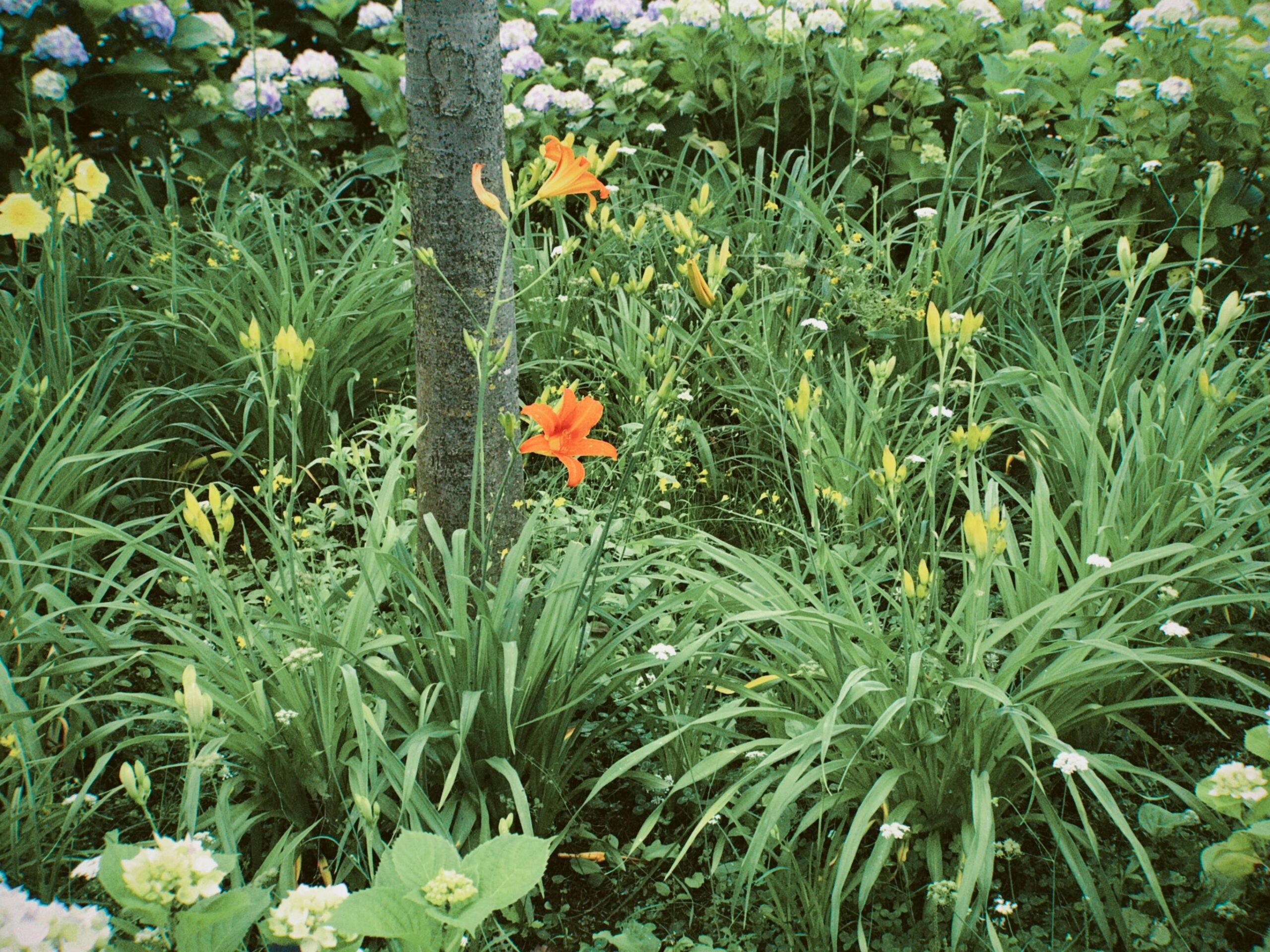
Companion planting offers many benefits that contribute to the garden ecosystem’s health, productivity, and resilience. Understanding these advantages can empower gardeners to harness the power of companion planting effectively in their gardens.
Enhanced Biodiversity: Companion planting promotes biodiversity by cultivating various plant species within the garden. This diversity enriches the garden’s visual appeal and fosters a robust ecosystem that supports a wide range of beneficial insects, birds, and microorganisms. By creating a balanced and diverse habitat, companion planting helps to maintain ecological equilibrium and resilience against environmental stresses.
Pest Control: One of the most celebrated benefits of companion planting is its ability to control pests naturally without chemical interventions. Certain plant combinations possess natural pest-repellent properties by releasing aromatic compounds, such as essential oils, or by emitting pheromones that disrupt pest mating patterns. Additionally, some companion plants attract beneficial insects, such as ladybugs, lacewings, and predatory wasps, which feed on common garden pests like aphids, caterpillars, and mites.
Disease Suppression: Companion planting can help suppress the spread of diseases by creating unfavorable conditions for pathogens or stimulating the plant’s natural defense mechanisms. Some plants release allelopathic compounds into the soil that inhibit the growth of disease-causing microorganisms, while others emit volatile compounds with antimicrobial properties. Strategic plant combinations can also improve air circulation and reduce humidity, creating an environment less conducive to fungal diseases like powdery mildew and blight.
Improved Soil Health: Certain companion plants, known as dynamic accumulators, have deep root systems that mine nutrients from the soil and make them available to neighboring plants. These plants accumulate essential minerals and organic matter in their biomass through nutrient cycling, returning to the soil upon decomposition. Additionally, leguminous plants, such as peas and beans, form symbiotic relationships with nitrogen-fixing bacteria, which convert atmospheric nitrogen into a form that plants can utilize, enriching the soil with this vital nutrient.
Increased Yields: By optimizing plant interactions and resource utilization, companion planting can increase yields and healthier, more vigorous plants. When complementary plant species are strategically interplanted, they can enhance each other’s growth and productivity by sharing resources, such as sunlight, water, and nutrients. Furthermore, by diversifying plantings and minimizing monocultures, companion planting reduces the risk of crop failure due to pests, diseases, or adverse environmental conditions, resulting in more consistent yields over time.
Principles of Companion Planting:
Plant Compatibility and Incompatibility refer to the interactions between different plant species when grown close.
- Synergistic Relationships: Certain plants have complementary growth habits, nutrient needs, or pest-repellent properties that make them ideal companions. For example, nitrogen-fixing legumes like peas and beans can enrich the soil for neighboring plants, while aromatic herbs like basil and rosemary may repel pests and attract beneficial insects.
- Competition and Inhibition: Conversely, some plants may compete for resources such as sunlight, water, and nutrients, leading to stunted growth or reduced yields. Additionally, allelopathic plants release chemical compounds into the soil that inhibit the germination or growth of neighboring plants. Identifying and avoiding incompatible plant combinations is crucial for maximizing the benefits of companion planting.
Plant guilds and polycultures: involve intentionally grouping plant species with complementary functions and characteristics to create resilient and productive ecosystems.
- Guilds: A plant guild is a species selected and arranged based on its ecological functions and interactions. In a guild, each plant plays a specific role, such as nitrogen fixation, pest repellents, or soil improvement, contributing to the overall health and productivity of the ecosystem. For example, a fruit tree guild might include nitrogen-fixing legumes as ground cover, dynamic accumulators like comfrey for nutrient cycling, and insectary plants to attract pollinators and beneficial insects.
- Polycultures: Polycultures involve cultivating multiple plant species within the same growing area. Unlike monocultures, which focus on cultivating a single crop, polycultures mimic the diversity and complexity of natural ecosystems. Polycultures maximize resource utilization, minimize pest and disease pressure, and promote ecological balance by interplanting compatible species and stacking plants vertically and horizontally. For example, a vegetable polyculture might include a mix of leafy greens, root vegetables, herbs, and flowers in a harmonious arrangement.
Succession Planting: is a technique used to maximize the productivity of a garden space by planting multiple crops in succession throughout the growing season. Gardeners can ensure a continuous harvest and efficient use of available space and resources by carefully timing plantings and selecting crops with varying maturation rates.
- Crop Rotation: Succession planting often involves rotating crops to different garden areas each season to prevent the buildup of pests and diseases associated with specific plant families. Gardeners can maintain soil fertility, reduce soilborne pathogens, and naturally break pest cycles by rotating crops.
- Intercropping: Intercropping involves planting fast-growing or short-term crops alongside slower-growing or long-term crops to use space and resources efficiently. For example, fast-maturing lettuce or radishes might be interplanted between rows of slower-growing tomatoes or peppers, allowing for multiple harvests from the same area.
Cover Cropping: Cover cropping involves planting non-harvested crops, such as legumes or grains, during fallow periods to protect and improve the soil. When incorporated or mulched, cover crops help prevent erosion, suppress weeds, fix nitrogen, and add organic matter to the soil.

Designing a Companion Planting Layout:
1. Considerations for Garden Layout and Design:
Site Assessment: Begin by assessing your garden site, taking note of factors such as sunlight exposure, soil quality, drainage, and microclimates. Understanding the unique characteristics of your garden space will help inform your planting decisions and layout design.
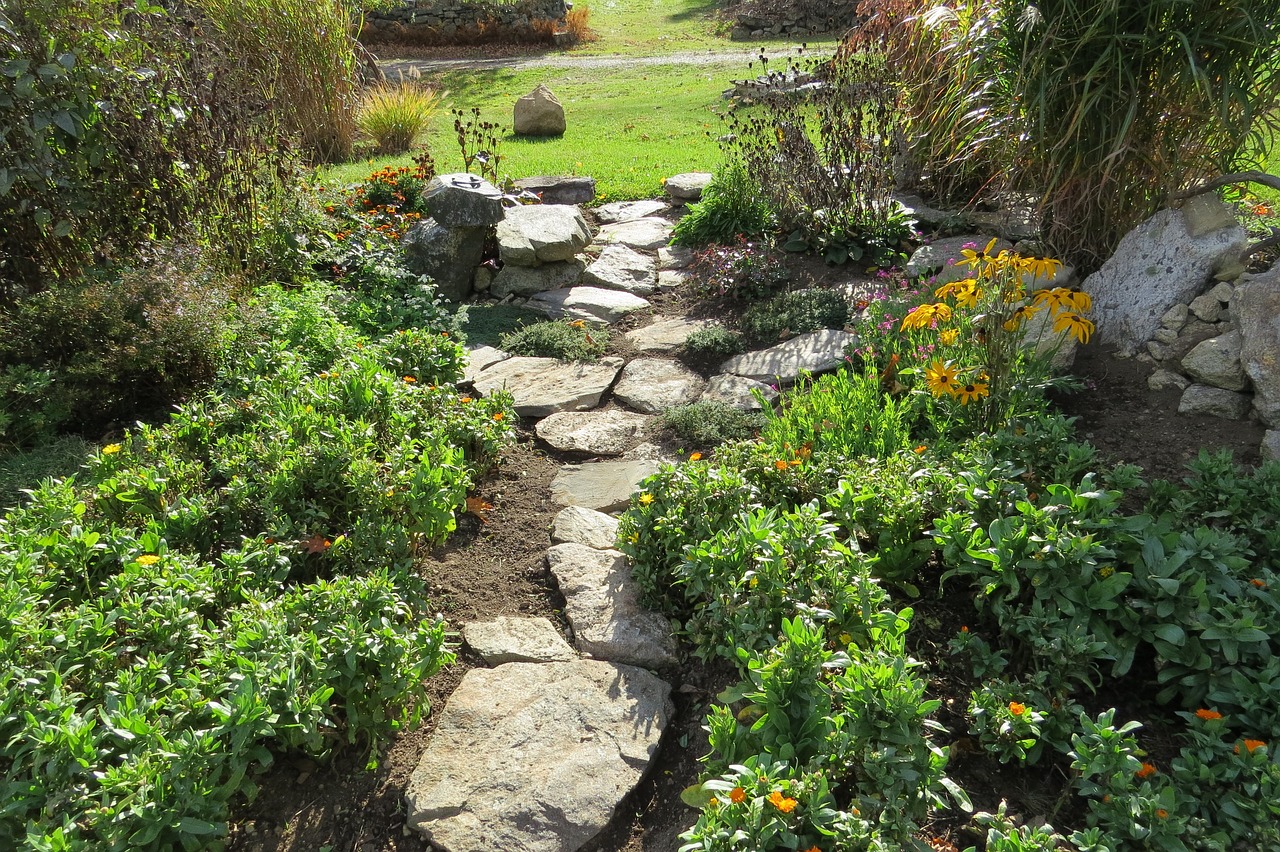
Functional Zones: Divide your garden into functional zones based on plant water needs, sun exposure, and growth habits. Consider incorporating paths, trellises, raised beds, and seating areas to maximize usability and aesthetic appeal.
Plant Selection: Choose species well-suited to your local climate, soil type, and growing conditions. Consider plant height, spread, and growth habits to ensure compatibility and avoid overcrowding.
2. Planning for Plant Spacing and Arrangement:
Spacing Guidelines: Follow recommended spacing guidelines for each plant species based on mature size, growth habit, and root spread. Overcrowding can lead to reduced airflow, increased disease susceptibility, and competition for water and nutrients.
Vertical Gardening: Incorporate vertical gardening techniques such as trellising, espalier, and vertical planters to maximize growing space and encourage upward growth. Vertical gardening allows you to grow vining crops like cucumbers, beans, and tomatoes without encroaching on valuable ground space.
Succession Planting: Plan for succession planting to ensure a continuous harvest throughout the growing season. Stagger plantings of fast-maturing and long-maturing crops to maximize productivity and minimize periods of bare soil.
Intercropping: Intercrop-compatible plant species within the same growing area to make efficient use of space and resources. Pair tall plants with shorter ones or mix shallow-rooted crops with deep-rooted ones to minimize competition and maximize productivity.
3. Integrating Companion Planting with Crop Rotation:
Crop Family Rotation: Rotate crops based on their botanical families to minimize the buildup of pests and diseases specific to certain plant families. For example, avoid planting members of the same family in the same area year after year, as this can lead to soilborne diseases and nutrient depletion.
Companion Planting in Rotation: Incorporate companion planting principles into your crop rotation plan by selecting companion plants that support the health and productivity of successive crops. For example, nitrogen-fixing legumes, such as peas or beans, can be planted as a cover crop or intercrop to replenish soil fertility between rotations of heavy-feeding crops like tomatoes or squash.
Plan for Diversity: Aim for diversity in your crop rotation plan by incorporating a variety of plant species with different growth habits, nutrient needs, and pest resistance. Diversity helps maintain soil health, suppress pests and diseases, and promote overall ecosystem resilience.
Challenges with Companion Planting:
Resource Competition: In densely planted companion gardens, plants may compete for essential resources such as sunlight, water, nutrients, and space. To address competition, provide adequate spacing between plants, stagger planting times to reduce overlap, and avoid overcrowding.
Allelopathic Effects: Some plants release allelopathic compounds into the soil that can inhibit the growth of nearby plants. While allelopathy can be harnessed for weed suppression and pest control, it can also pose challenges in companion planting if incompatible species are planted together. To mitigate allelopathic effects, choose companion plants not sensitive to the allelochemicals produced by neighboring species and monitor for signs of stunted growth or poor performance.
Managing Invasive Species:
Invasive species pose a significant threat to native ecosystems and can quickly spread and outcompete native plants in the garden. When incorporating companion planting, it’s essential to be mindful of the potential for introducing or inadvertently spreading invasive species.
- Before introducing new plant species into the garden, research their invasive potential and suitability for your region. Consult local gardening resources, extension offices, or invasive species databases to identify and avoid planting species with invasive tendencies.
- Containment and Monitoring: If you include potentially invasive species in your companion planting design, take precautions to prevent their spread. Consider planting invasive species in containers or designated areas where their spread can be controlled. Regular monitoring and proactive management are essential to prevent invasive species from establishing and spreading in the garden.
Case Study: Three Sisters Garden
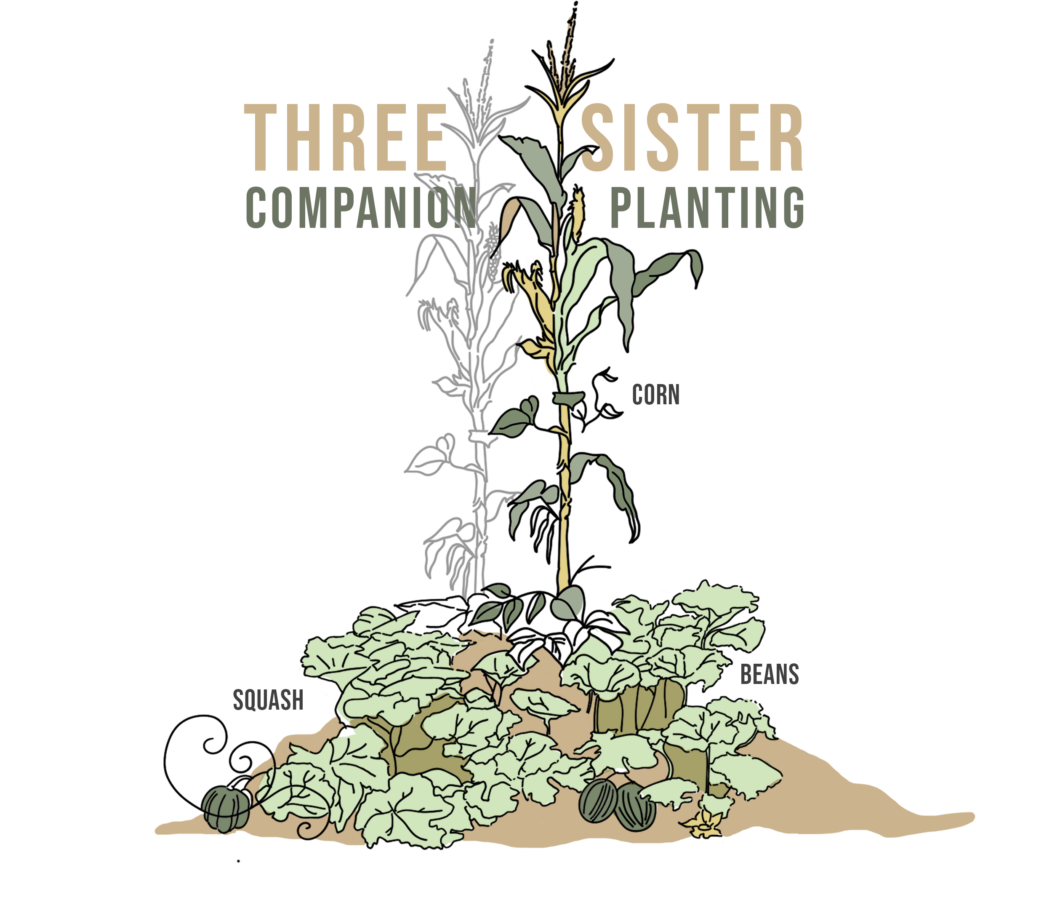
One of the most well-known examples of companion planting is the Three Sisters garden, an indigenous agricultural technique practiced by Native American tribes for centuries. This traditional planting method involves interplanting corn, beans, and squash in a symbiotic arrangement that maximizes space, conserves soil nutrients, and minimizes pest pressure.
Corn (Maize): The tall stalks provide a natural trellis for climbing beans, allowing them to reach for sunlight without additional support structures. In return, beans fix nitrogen in the soil, enriching it with this essential nutrient, which benefits the nitrogen-hungry corn plants. The sprawling growth habit of squash plants helps suppress weeds and conserve soil moisture by shading the ground and forming a living mulch.
Beans (Phaseolus vulgaris): Beans are nitrogen-fixing legumes that form symbiotic relationships with nitrogen-fixing bacteria in their root nodules. These bacteria convert atmospheric nitrogen into a form that plants can utilize, enriching the soil with this vital nutrient. In addition to providing nitrogen for the corn, beans benefit from the support of the corn stalks as they climb skyward, maximizing vertical growing space.
Squash (Cucurbita spp.): Squash plants, with their broad, spreading leaves, serve multiple functions in the Three Sisters garden. Their dense foliage shades the soil, reducing moisture loss through evaporation and suppressing weed growth. Squash vines also act as a living mulch, smothering competing vegetation and conserving soil moisture. Furthermore, squash plants’ prickly stems and leaves deter pests such as raccoons and rodents from accessing the corn and beans.
In the Three Sisters garden, each plant species plays a specific role in supporting the growth and productivity of the others, creating a mutually beneficial ecosystem. The corn supports beans, beans enrich the soil for corn, and squash acts as a natural mulch and pest deterrent. This holistic approach to companion planting demonstrates how diverse plant species can synergize to create a thriving and resilient garden ecosystem.
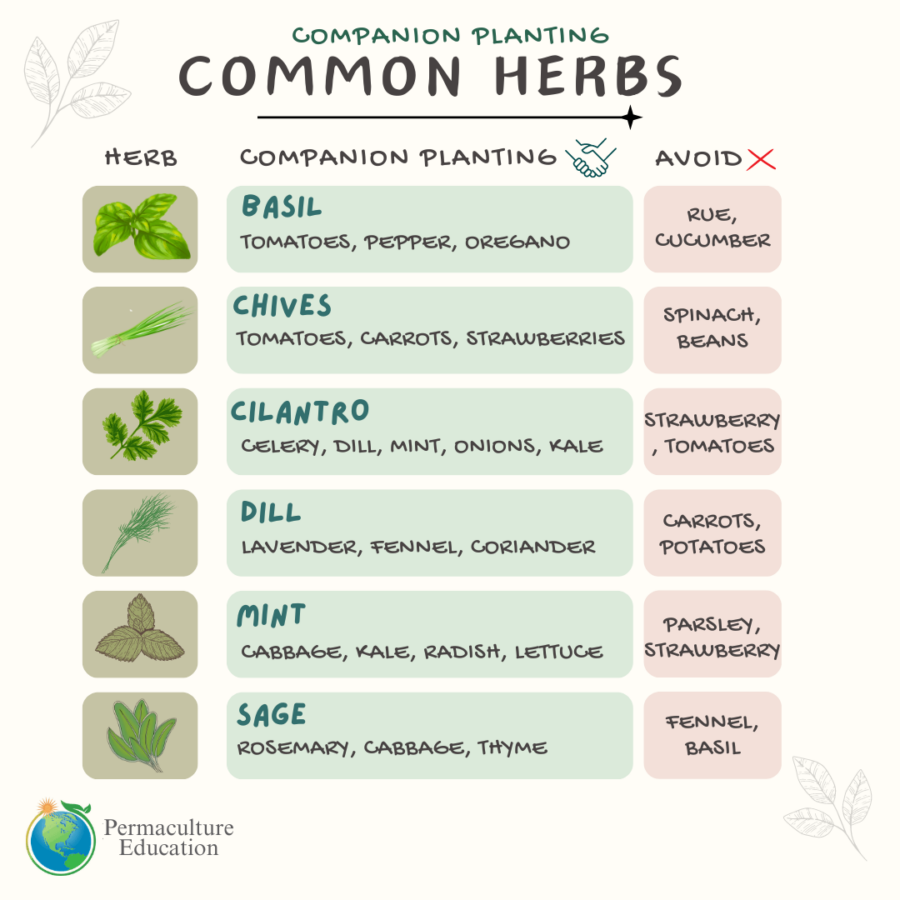
Popular Companion Planting Combinations (Common Herbs) :
In gardening, companion planting enriches soil health, deters pests, and fosters biodiversity, all while enhancing the beauty and productivity of our plots. Meanwhile, permaculture forms a cornerstone of regenerative design, weaving together diverse plant species to create resilient and regenerative landscapes.
By embracing the principles of companion planting, gardeners and permaculturists alike can cultivate abundance, resilience, and ecological harmony in their patches of earth. It’s a simple yet profound reminder of our interconnectedness with the natural world and our ability to work in harmony to benefit all life on this planet.

Together, let us embark on this journey of stewardship and co-creation, one mindful action at a time, to cultivate a thriving and resilient world for all. Permaculture Design is our ticket to a greener, happier planet. If you want to learn more about regenerative design – become a certified Permaculture Designer with us!
