
Regenerative Design and Regenerative Economics: Shaping Resilient Futures
Interviewing Alan Enzo
In the face of mounting environmental challenges and the urgent need for a more resilient future, Regenerative Design and Regenerative Economics concepts have gained significant momentum. One voice leading the charge is Alan Enzo, an influential advocate for Regenerative Design and the practical implementation of “beyond circular economy” principles. Enzo’s work has been instrumental in reshaping traditional economic models, emphasizing the importance of relocalization, greening supply chains, zero-waste operations, and closed-loop systems.
Through his efforts, Enzo has demonstrated how Regenerative Design and Regenerative Economics hold the key to minimizing environmental impact while unlocking new avenues for economic abundance and social well-being. This article will delve into Alan Enzo’s contributions to the disciplines of Regenerative Design and Regenerative Economics and explore the transformative potential they offer in creating resilient and prosperous futures for communities worldwide.
The Founder and Director of Permaculture Education, Alan Enzo
Enzo started his career in Emergency Management and Environmental Remediation, dealing with train wrecks, oil spills, factory explosions, and natural disasters. He was a first responder going to these locations and organizing cleanups, working with federal and local governments, law enforcement, and emergency personnel. He and his team stayed on to repair the earth after these incidents, and this drove his passion for cleaning up the earth (environmental remediation), ecological restoration (earth repair), and learning the techniques to restore health to ecosystems. This firsthand experience fueled his fervor for environmental preservation and drove his unwavering passion for the remediation of our precious Earth.
Recognizing the significance of acquiring comprehensive knowledge in finance and business, Alan Enzo pursued formal education to augment his expertise in regeneration. Notably, he attained a Master of Business Administration (MBA) degree specializing in Sustainable Business and holds a Ph.D. in Management, with a specialization and dissertation in Ecological Economics.
The integration of Enzo’s experience in emergency management and ecological restoration, along with his understanding of finance, business, and ecological economics, positions him as a valuable specialist in the regenerative sector. His unique blend of skills enables him to approach the challenges of ecosystem restoration and ecological design with a deep and holistic perspective.

The Essence of Permaculture Design in Regenerative Economics
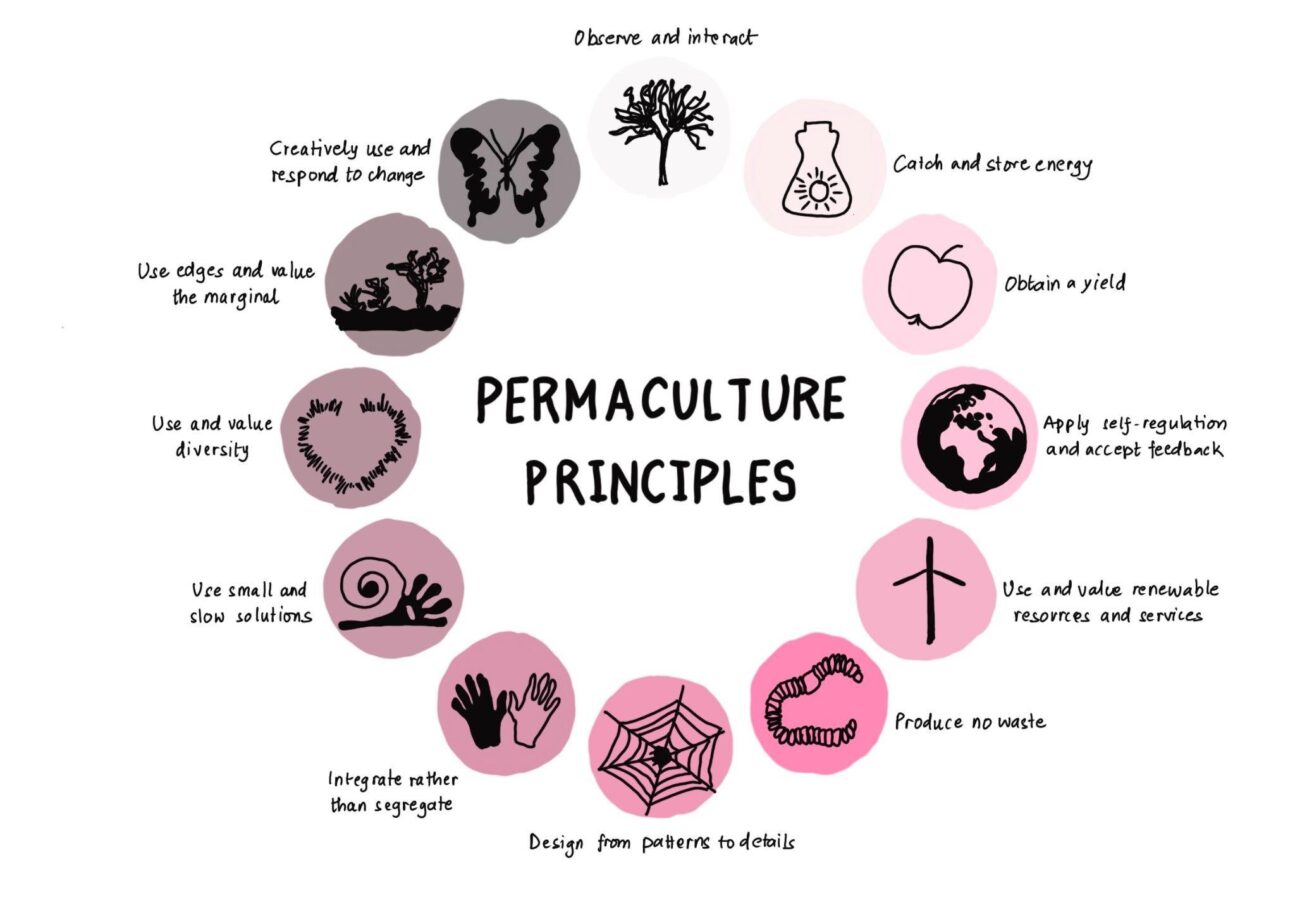
While pursuing his graduate studies in Management and Ecological Economics, Enzo fortuitously discovered the discipline of Permaculture Design, a realization that sparked his enthusiasm. Permaculture Design’s core Ethics and Principles resonated deeply with his belief in the importance of relocalizing economics and decentralizing authority and decision-making. Its fundamental premise lies in fostering practices that promote the efficient use of natural resources, eliminate waste, and restore ecological balance at the local level, starting with homesteads, farms, and villages and expanding outward to the bioregional level. This holistic approach starkly contrasts the prevailing top-down “sustainable” development and economic models that have caused widespread challenges in contemporary society.
The profound appeal of Permaculture Design lies in its ability to harmonize the concepts of self-reliance education, earth repair, livelihoods, and regenerative economics. Enzo perceives this integration as nothing short of remarkable, as it offers a cohesive framework that addresses the urgent need to restore our planet while simultaneously promoting self-reliance and ecological balance.
By embracing Permaculture Ethics and Principles, individuals, and communities can actively contribute to the well-being of the Earth, practicing regenerative methods and nurturing a way of life that respects natural systems. Enzo’s dedicated promotion of Permaculture Design stems from its ability to empower individuals, inspiring them to take charge of their destinies and participate in the collective effort to create a more resilient and ecologically-conscious society. The connection between Permaculture Design and Regenerative Economics strengthens the vision of a future where resources are utilized efficiently, waste is minimized, and the well-being of people and the planet is prioritized.
The Beginning of the International Permaculture Education Center
After completing his graduate education, Enzo joined forces with a group of original teachers and consultants trained directly by Bill Mollison and David Holmgren, the pioneers of Permaculture Design. Together, they established Permaculture Education, also known as the International Permaculture Education Center.
The team shares a vision and mission to make Permaculture Design education accessible worldwide while addressing pressing environmental and social challenges. They are the leading worldwide providers of the official 72-hour Permaculture Design Certificate Course (PDC). The PDC Course is the first step towards creating a livelihood and career in Permaculture Design and a recognized rite of passage for many in Ecological and Regenerative professions.
Permaculture Education also offers several other specialist courses and hosts a global directory of teachers and other professionals. Their collaborative efforts aim to empower individuals and communities, offering the knowledge and resources needed to restore our planet and create a more regenerative future. Through their dedication, Alan Enzo and the Permaculture Education team have been instrumental in driving the global movement that brings about positive change and facilitates the healing of the Earth.
A Consistent Approach to Regeneration
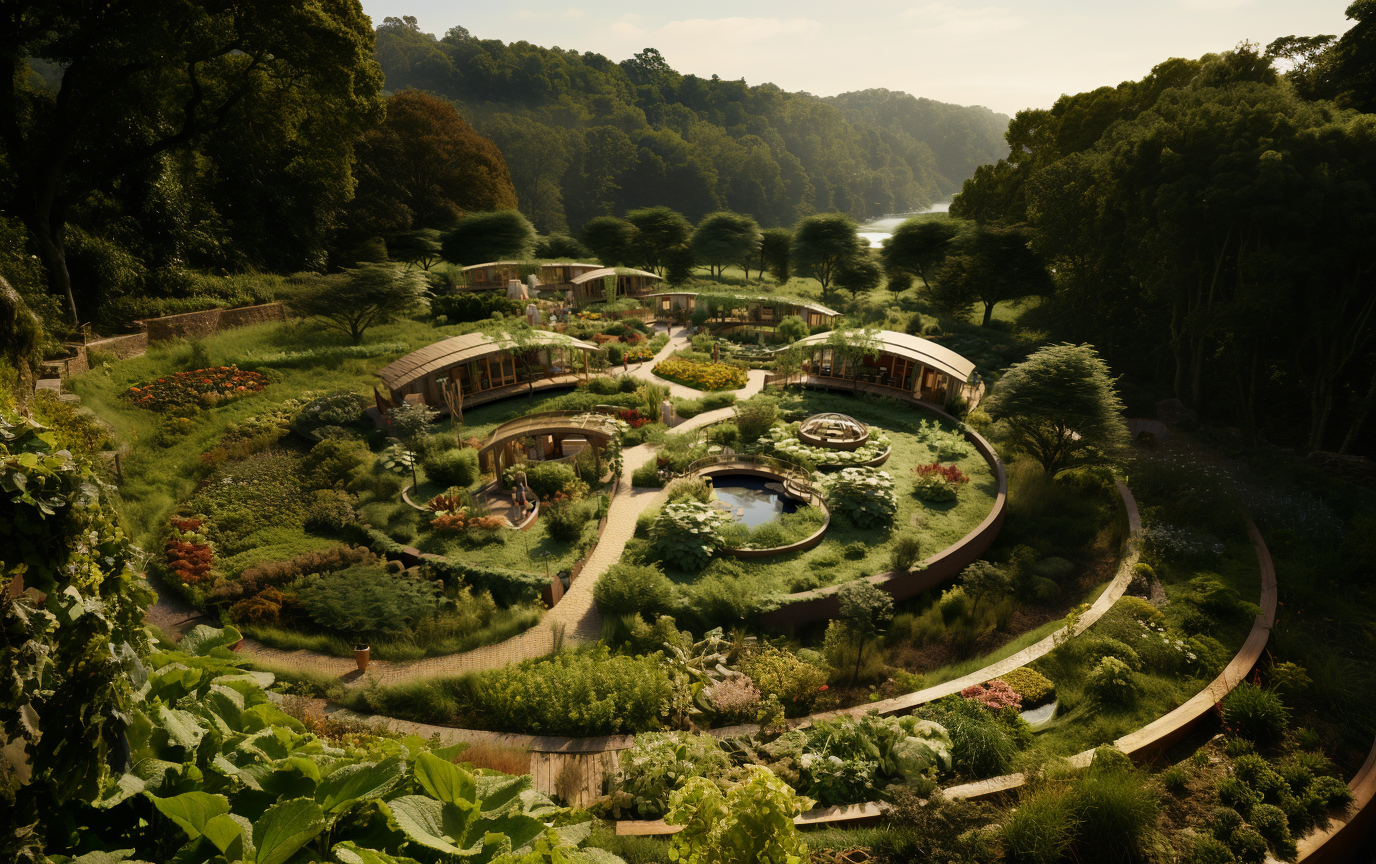
As an ambassador of Regenerative Design/Permaculture Design and Regenerative Economics, Alan Enzo has led many projects, including master-planned community developments and retirement villages incorporating Local Economic Design. One ambitious project in Asheville, North Carolina, includes the design of 300 acres of land with housing options for 600 residents. The plan includes Organic/Regenerative food production, Natural Building, Renewable Energy Systems, Regenerative Earthworks, Rainwater harvesting, Greywater recycling, multi-generational housing, commons areas, community gardens, and on-site livelihoods and income opportunities for residents. This groundbreaking initiative will be a vibrant community showcasing regenerative living practices and regenerative economics when completed. This work embodies the principles of community building, environmental stewardship, and economic empowerment. Projects like this are redefining how we live, work, and thrive together, shaping a resilient future for future generations.
Local Economic Design/Regenerative Economics for neighborhoods, intentional communities, retirement communities, and ecovillages involves designing income and livelihood opportunities for all ages. In the Asheville model, Enzo designed the establishment of 20 diverse businesses within the community. These businesses will range from yoga and massage studios to organic farms, commercial kitchens and natural food processing facilities, cafes, shops, natural medical services and Ayurveda practitioners, an elementary school, artist studios, and natural elder care facilities. The goal is to create an all-supporting ecosystem that also provides livelihoods and employment opportunities for the community’s residents across different generations. By integrating a natural system of caring for families and elders, the intentional community design and eco-village concepts aim to foster a cohesive environment where individuals can live, work, and thrive together.

Enzo’s innovative approach builds upon his earlier experiences with intentional community/ecovillage design and co-housing projects. A sense of community is nurtured by clustering houses within a compact area and creating shared communal spaces between them, such as outdoor kitchens, community gardens, and play areas for children. Moreover, shared garden spaces enable each household to actively participate in gardening while promoting collective ownership and the sharing of produce.
Beyond residential and communal projects, Enzo has played a pivotal role in supporting Permaculture Education students and private clients in launching small businesses, organic/regenerative farms, intentional communities, and community enterprises. His guidance and assistance have enabled these ventures to flourish, contributing to the growth and vitality of local living economies.
Through his diverse endeavors, Alan Enzo exemplifies the principles of community building, regeneration, and economic empowerment. His work enriched the lives of individuals while fostering a deep sense of interconnectedness and shared prosperity in their communities.
Watch or Listen to the Conversation with Alan Enzo here: Watch Now or Listen Here
If you would like to learn more about Permaculture Design or how to offer your services in a more regenerative way – become a certified Permaculture Designer with us!
