

Maintenance Guide to Permaculture Gardening
Permaculture gardening is a living testament to the potential of regenerative coexistence between humans and the natural world. It’s not just about growing plants; it’s about creating a whole mini-ecosystem where every element helps each other. It consists of a team of plants, animals, soil, sun, and water, where each one plays a role. By ensuring they work well together, we can have a strong and full-of-life garden.
Permaculture doesn’t end with planting and design. Taking care of a permaculture garden requires attention and care at all times. This guide is here to help you learn how to look after your garden so it doesn’t just survive but really thrives.
The importance of regular maintenance
Regular maintenance in permaculture gardening is like giving a garden a little extra love on a regular basis. It involves a series of consistent tasks and practices aimed at ensuring the garden remains healthy, vibrant, and productive; attending to a permaculture garden requires a regular commitment. Doing this regularly keeps everything in balance – plants grow better, pests are less likely to cause trouble, and it helps us learn more about our garden.
Routine attention is vital for several reasons. Firstly, it allows us to stay attuned to the garden’s needs. By checking in regularly, we can spot any signs of trouble early on. Whether it’s a thirsty plant, a sneaky pest, or a nutrient-hungry patch of soil, regular maintenance helps us catch and address issues before they escalate. Furthermore, maintaining a consistent schedule of care helps create an environment of stability for the garden’s inhabitants. Plants, insects, and soil organisms thrive on predictability. They respond positively to reliable watering, regular feeding, and consistent protection from pests.
Additionally, regular maintenance fosters a deeper understanding of the garden’s intricacies. Through regular observation and interaction with our garden, we develop a keen sense of its rhythms, its quirks, and its unique personality. Moreover, this ongoing attention is essential for achieving the long-term goals of a permaculture garden. It’s not just about this season’s harvest but about building a resilient, self-sustaining ecosystem that can thrive year after year. This requires a commitment to consistent care, ensuring that all elements of the garden work together in harmony.

Essential Tools for Permaculture Gardening Maintenance
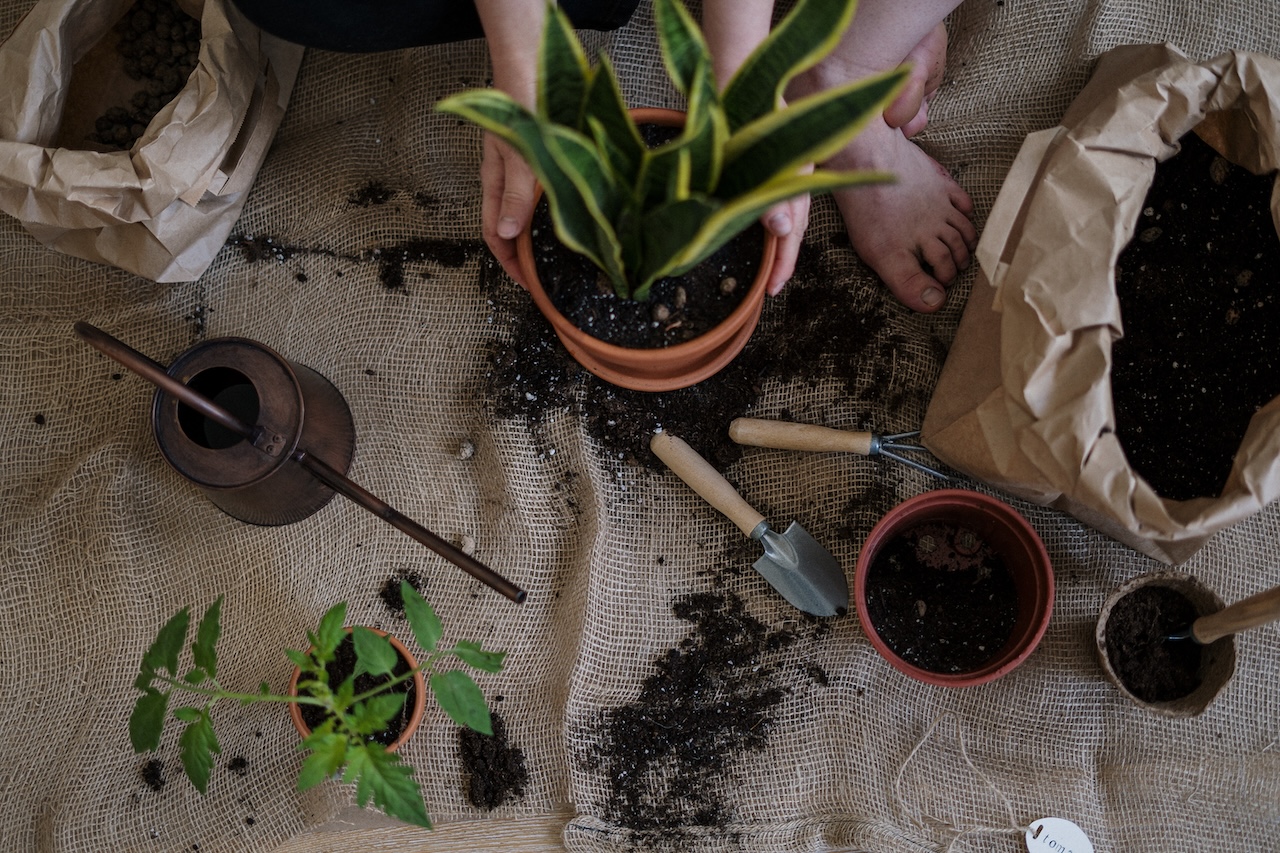
Having the right tools for your garden serves as the backbone of maintaining a thriving garden. A hand trowel can prove to be invaluable for a range of tasks, from delicately transplanting seedlings to precise weeding. Its versatility makes it a must-have for any gardener. A garden fork, on the other hand, tackles tougher jobs. It’s adept at turning and aerating soil, particularly in denser or clayey patches. Pruning shears can play a pivotal role in shaping and maintaining plants, ensuring they grow in a healthy and controlled manner.
Of course, no gardener’s toolkit is complete without a pair of garden gloves that can protect against dirt, thorns, and potential irritants. Watering cans or hoses are the lifelines of any garden, ensuring that plants receive the right amount of moisture.
Moving on to heavier tasks, a wheelbarrow or garden cart can ease the transportation of bulkier materials like compost, mulch, or harvested produce. A trusty rake steps in for leveling soil, removing debris, and ensuring an even mulch distribution.
Additionally, a designated compost bin or pile is essential for those dedicated to regenerative practices. It serves as a repository for recycling organic matter, ultimately enriching the soil and nourishing the garden. A mulching fork or pitchfork is the final touch, aiding in the even distribution and aeration of mulch, which is vital for retaining moisture and keeping weeds at bay.
Having the right tools at your disposal is a cornerstone of successful permaculture gardening. They empower you to nurture a garden that not only survives but thrives, embodying the principles of regeneration and harmonious coexistence with nature. It’s worth investing in quality tools, as they become trusted companions in your gardening journey, contributing to the ecosystem you work so hard to cultivate.
Year-round Maintenance Tasks in Permaculture Gardening
Permaculture gardening is a year-round endeavor, with each season bringing its own set of tasks and opportunities. Understanding what needs to be done during each part of the year is key to maintaining a bountiful garden. Here’s a breakdown of the tasks you can expect to do to ensure your garden remains flourishing throughout the changing rhythms of nature:
Spring Maintenance:
With the warmth of Spring, it’s time to get the garden ready for a new growing season. This means preparing the soil for planting. Adding compost or organic matter can rejuvenate the soil and provide essential nutrients for your plants. Pay attention to any weeds that have managed to find their way in and get rid of them early on.
Spring is also a time for planting and transplanting. Pay close attention to your local climate and the specific needs of the plants you’re working with. Make sure they have the right amount of sunlight and space to thrive. Pests and weeds can also become more active in the spring. Keep an eye out for any unwanted visitors and take action to keep them from harming your plants.

Summer Maintenance:
Summer is when the garden really comes to life. With the sun shining bright and temperatures rising, plants are growing rapidly. Watering becomes crucial, and it’s often best to do this early in the morning or later in the afternoon to avoid evaporation.
Mulching is a fantastic way to help the soil retain moisture and suppress weeds. It’s like giving your garden a cozy blanket to snuggle in. Pruning and training plants can also help them grow more efficiently. You’re encouraging healthy development by removing excess growth or guiding them in a particular direction.
Fall Maintenance:
As the days start to cool down, it’s time to think about harvesting the fruits of your labor. Make sure you pick your produce at the right time to get the best flavors and nutrients. Composting is a key activity in the fall. Gather plant debris and other organic matter to create nutrient-rich compost for the next season.
Fall is also a great time to prepare your garden for winter. This might involve planting cover crops to protect the soil or mulching around your perennials to keep them cozy during the colder months.

Winter Maintenance:
While Winter might seem like a quiet time in the garden, important tasks still need to be done. Protecting your plants from frost and cold weather is crucial. Consider using frost cloths or other protective measures to keep them safe.
Winter is also a great time for reflection and planning. Take stock of what worked well in the past year and what could be improved. Use this time to research new plants or techniques you’d like to try in the upcoming season.
By attending to these year-round maintenance tasks, you’re nurturing your garden in the present and setting the stage for a healthy and vibrant ecosystem in the years to come.
In essence, regular maintenance in permaculture gardening is the key to unlocking the full potential of our green spaces. The ongoing investment in lush, thriving vegetation, healthy soil, and a flourishing garden pays off. So, every time we water a plant, inspect for pests, or amend the soil, we’re not just tending to a garden but nurturing a living, breathing system.
Whether you’re a seasoned Permaculture Designer or just starting out and want to learn more about living in a more regenerative way – become a certified Permaculture Designer with us!