
Eco Maasai Farm Accommodation in Tanzania
The idea for the project developed from an unused piece of land in which we saw great potential to create something with it.
The plan was to create something which helps us, the community, and the environment- so that’s the goals we set. The land is located in Northern Tanzania, some km out of the city Arusha.
The population in this area is mostly Maasai, an East African tribe. Due to climate change and missing economic conditions, a huge part of the population in this area is unemployed. With building up the Eco Maasai Farm and Accommodation we want to do something about the current situation: Create perspectives, fight poverty, and raise environmental awareness.

The exact idea for this project came from our backgrounds. David studied Wildlife Management working in the tourism sector for many years, Sina studied Environmental Planning and Eco Engineering and worked for NGOs before focused on sustainable development.
The combination of our two backgrounds quickly made it clear that it should be a sustainable tourism project that has a strong focus on the environment. As tourism is the main sector of Tanzania’s economy we want the local population to benefit from it and we want to create a closeness and understanding between tourists and locals for harmonious cooperation.
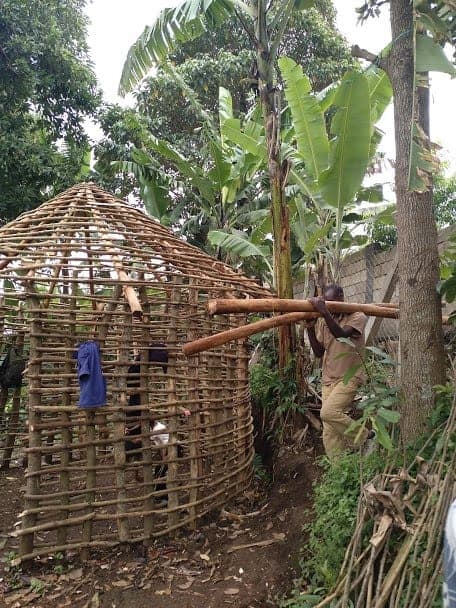
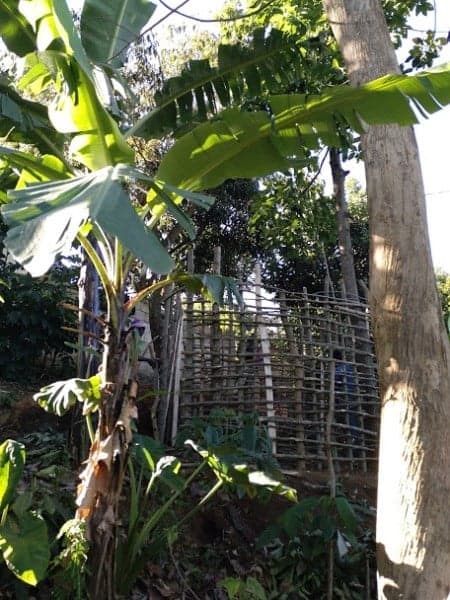
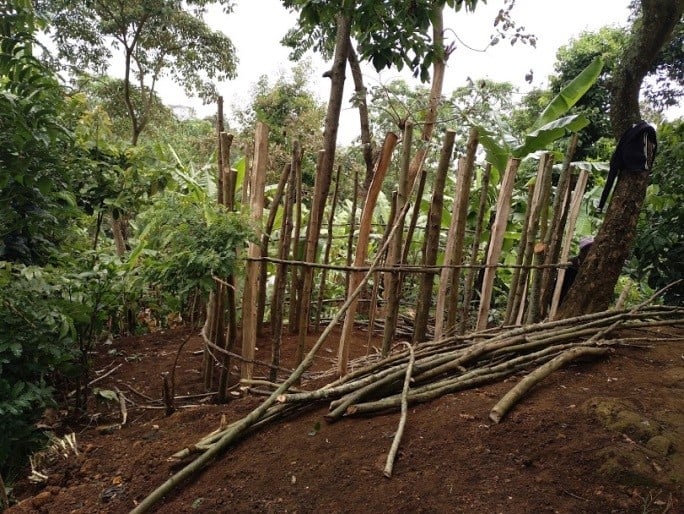
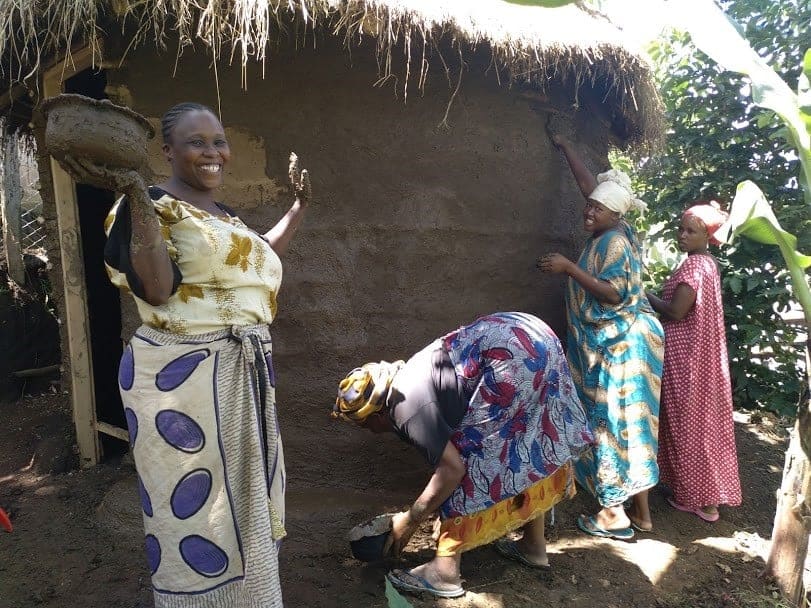
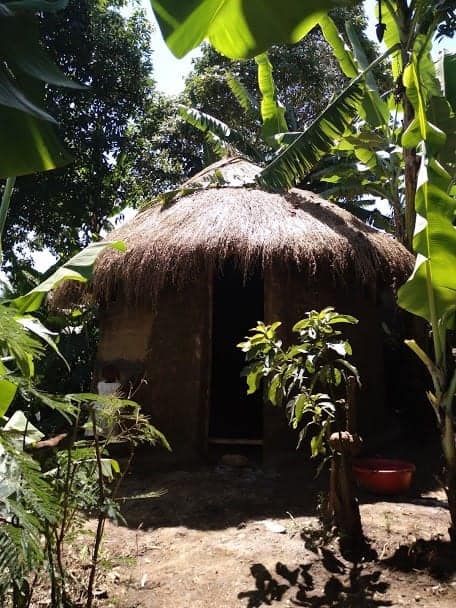
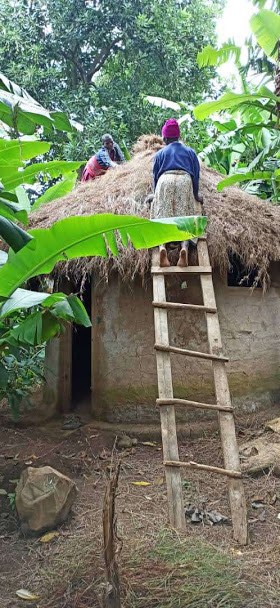
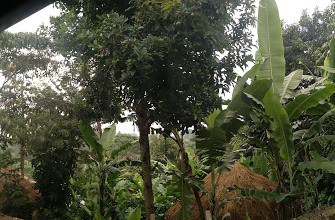
As another focus of this project is on nature conservation this is done in an environmentally-friendly way in the form of an eco-farm and using the traditional knowledge of the Maasai to build up eco-huts as tourist accommodation. The huts are built with natural material using branches, soil, ashes, and cow dung and are surrounded by a mixture of plants, trees, and bushes using permaculture design principles. The cultivation is completely organic with harvest all over the year.

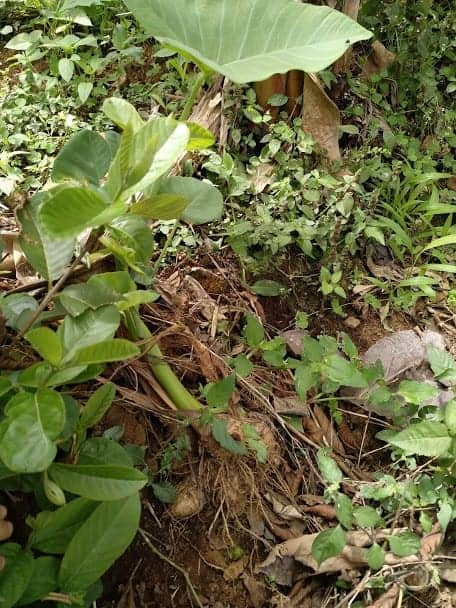
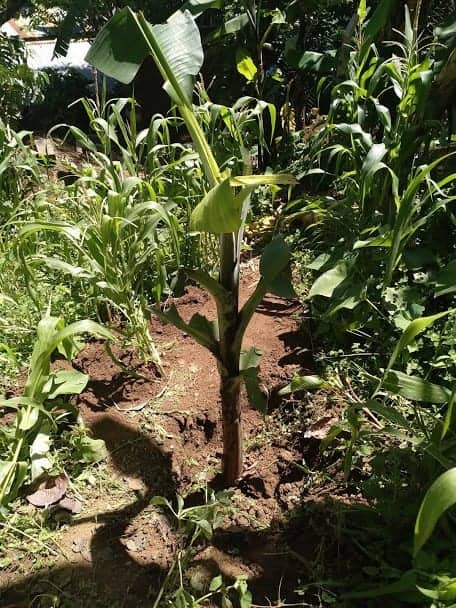
The project is still in the construction phase but focusses on:
- Conservation (long-term solutions for conserving and enhancing biocultural diversity)
- Communities (increasing local capacity building and employment opportunities and thus empowering the local community and fight poverty)
- Awareness (creating greater understanding and appreciation for nature, local society, and culture)
We’re working on a website so you can continue to track our progress and will update here when it’s ready.
Sina Robra is an Instructor and Marketing Coordinator with Permaculture Education
Want to learn more about Permaculture Design and Ecovillages?
Register for the official 72-hour Permaculture Design Certificate Course (PDC)
On successful completion of the Permaculture Design Certificate (PDC) course, graduates receive the official, internationally-recognized Permaculture Design Certificate.
