
Forest fires on Kilimanjaro
Some days ago, the news announced that Kilimanjaro is partly under flames. Although every natural disaster is cruel, this news has hit me especially hard. Tanzania feels like my second home with many friends, my own project and the familiarity of many places. Although I have never climbed Kilimanjaro myself, I have been to the foot of it and have also enjoyed the breathtaking view many times.
The Kilimanjaro is with 5895 m above sea level the highest mountain massif of Africa and habitat of innumerable animal and plant species as well as human communities. Now a huge part of the heath and moor landscape is under fire and extinguishing it is difficult. The altitude, dry vegetation, strong winds are a great challenge in fighting the flames.
Kilimanjaro is one of Tanzania’s major tourist attractions and climbed by ten thousand people each year. Its tourist popularity has now become its downfall. During the preparation of food, the fire was created and spread fast. The fire broke out at 3500m altitude at a picnic area on the Marangu route.
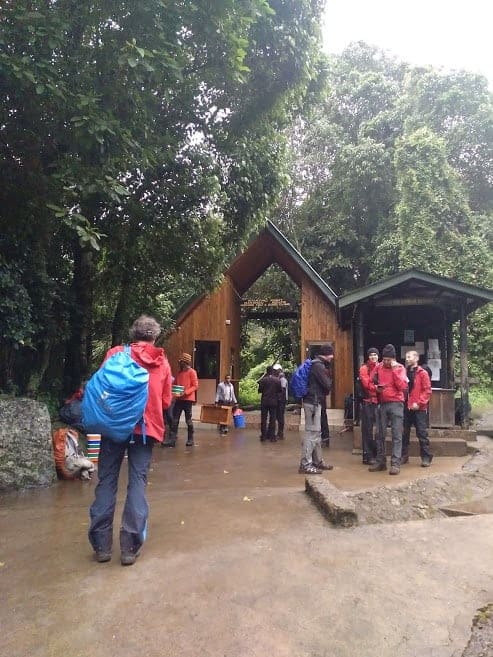
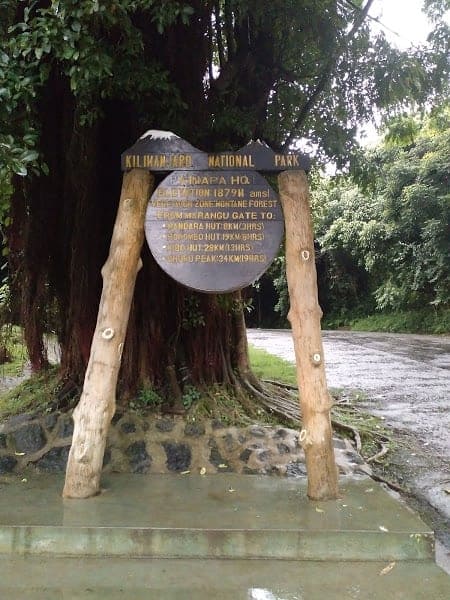
Nature conservationists also blamed climate change for the disaster. Although forest fires are not unusual in the dry season on Kilimanjaro, they have been increasing steadily in recent years. Although there was rainfall from October of the previous year to June, which was well above average, it is currently extremely dry and hot for the season. Due to strong winds, the fire destroyed a large area of heath and moorland and also moved downhill towards the rainforest below.
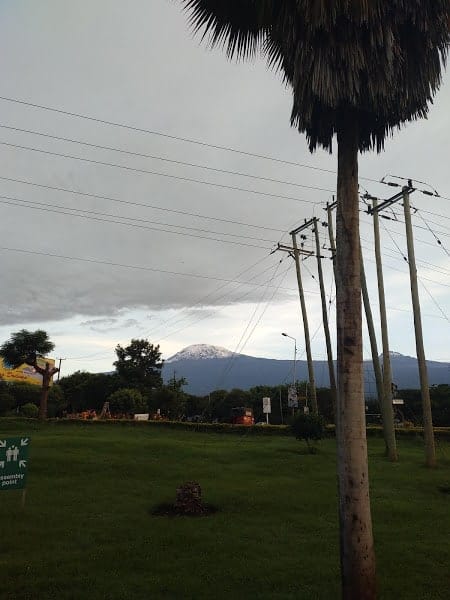
Unfortunately, forest fires break out regularly in many areas of the world and destroy huge areas of valuable biotopes. In the last years, an increase in worldwide fires is visible, which has several reasons.
Causes of Forest Fires
In many regions of the world, forest fires are a completely natural process. But if forest fires occur too violently, in the wrong place, at an unusual time, or too frequently, this is a sure sign that the ecosystem has been disrupted by human intervention. If this is the case, forest fires are a danger to humans and nature. The proportion of forest fires with natural causes, such as lightning strikes, is only 4% worldwide. In all other cases, man has an influence on the fires. This can be direct or indirect, negligent, or intentional.
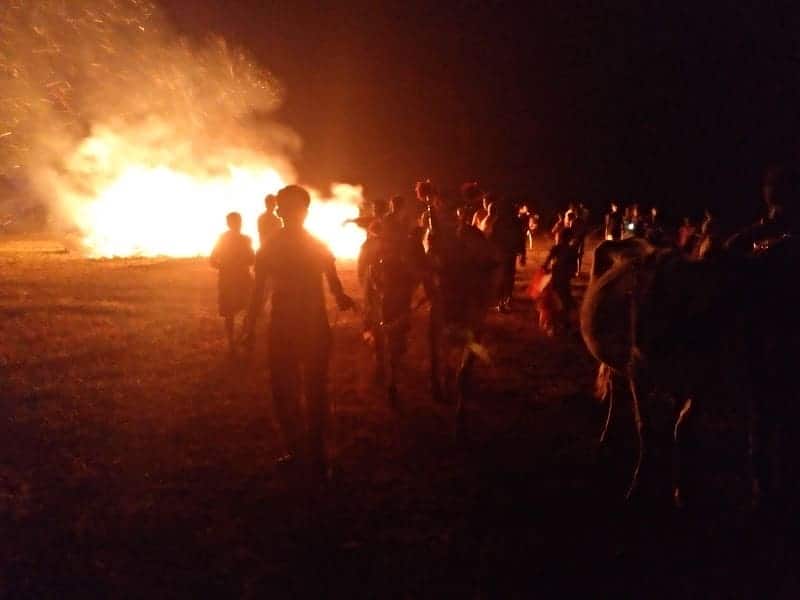
Human influence on wildfires is versatile. In some parts of the world, the Amazonas for example, large areas of forest are set on fire to make room for large-scale agricultural cultivation of e.g. soya or for livestock farming. In North America, forest fires are natural phenomena that occur regularly.
The forests of the western United States and the boreal forests of Canada depend on periodically occurring forest fires to rejuvenate. However, in the last century, the intensity of fires has increased dramatically in many areas of the western United States and now threatens people and wildlife in the region. 85% of the fires can be traced back to humans.
In Russia, too, the overwhelming majority of forest fires are caused by man. 72% of forest fires in Russia are due to negligent or intentional arson. Another 7% are caused by the use of fire in agriculture. Also in the Mediterranean region, forest fires have increased very strongly in recent years and are almost exclusively due to human activity. For example, to gain building land or space for agricultural land.
Other reasons are extreme heat and drought in the summer months and degraded forests. Climate change is making an immense contribution to the increasingly frequent forest fires. More heat and drought and less precipitation cause more frequent fires, a rapid spread, and a long duration of these fires. Land loss, the destruction of ecosystems and wildlife, and a large CO₂ release are the consequences.
Solutions against Forest Fires
Looking at the increasing number of forest fires and the human influence on them is terrifying. But as for every problem, there are solutions. So here are some tips on how to prevent forest fires:
- No smoking, open fire (e.g. barbecue, burning of clippings), open light (torches, lanterns) in forests or meadows
- If you make a fire never leave it unattended
- Be aware of wind speed and wind direction
- Attend the fire until it’d fully out
- Be a responsible smoker and never throw cigarette butts into the wild or out of car or train windows
- No driving or parking on forest roads, as hot exhaust pipes or catalytic converters could set the grass on fire
- Do not throw waste into nature. It is rare, but shards can look like burning glasses
- If a fire has gotten out of control, you must call the emergency services immediately
Besides these tips on the prevention of forest fires there are also ways of thinking and designing which can be very helpful. Working with (instead of against) nature is a very important aspect. Designing for resilience is very helpful in mitigating natural disasters. Permaculture Design introduces skills and techniques that provide long-term solutions.
Sina Robra is an Instructor and Marketing Coordinator with the International Permaculture Education Center.

Would you like to learn more?
Register for the official 72-hour Permaculture Design Certificate Course (PDC)
On successful completion of the Permaculture Design Certificate (PDC) course, graduates receive the official, internationally-recognized Permaculture Design Certificate.
