
Happy Holidays from Permaculture Education
The holiday season is coming up, and a crazy year is slowly ending. It’s time to reflect and take a moment to focus on the next year, that will hopefully be less stressful.

I have come across one thing that bugged me last year and that I want to share with you. Working in sustainability and permaculture, I really watch what I consume and what impacts my actions could have on the environment.
I eat mostly vegan and regional food; I do not own a car; I only buy organic; I buy secondhand clothing; I try to have a plastic-free bathroom, and so on. But I cannot be perfect. Sometimes I buy something with plastic, sometimes I buy from the bad players in the market, sometimes I buy new clothes. And that is the point: none of us can be perfect.
So, one day I got this message on Instagram saying: You are promoting sustainability; HOW CAN THERE BE PLASTIC IN YOUR PICTURES??????
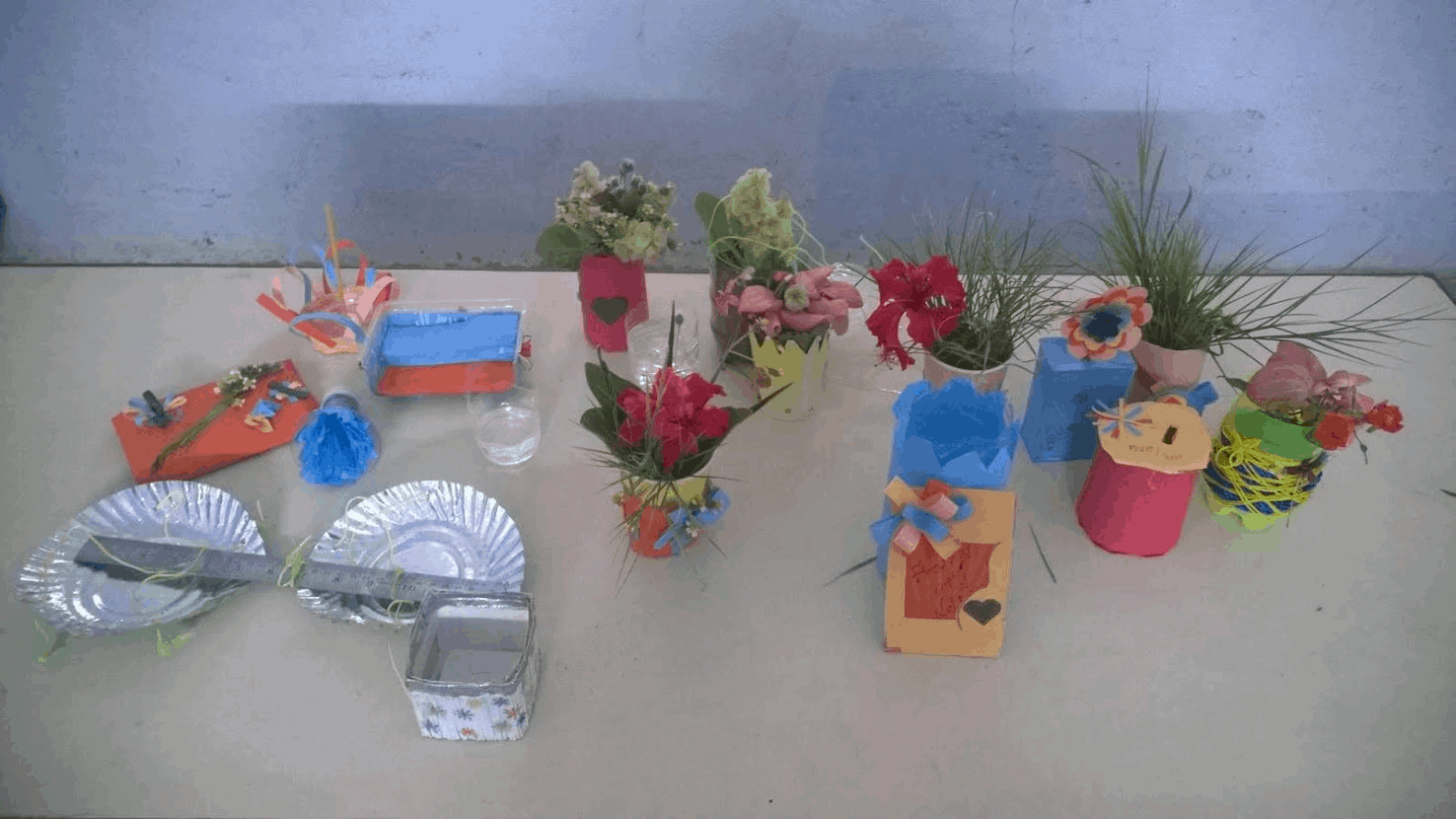
I managed to keep calm and tried to explain that the plastic seen in my pictures is all recycled, reused, upcycled stuff that otherwise would have already landed in the trash, and therefore it is completely fine to use it. Some of it I even picked up from the roadside where it had been dumped by someone. This person did not care and kept on bothering me, and soon I realized it was some weirdo and there wasn’t much use in discussing with him.
And I really think it is not about being perfect regarding sustainability. It is about being aware and doing as much as possible. Trying to be “perfect” leads to frustration and, finally, to a point where you do not feel like keeping up your efforts. So, here are some easy resolutions for 2023 that anyone can achieve:
1. Use less plastic: Take a reusable bag with you for shopping, drinking tap water, or buying unpackaged vegetables at the weekly market.
2. Drink Fair Trade Organic Coffee: Conventionally, coffee is grown using many chemicals, fertilizers, pesticides, and herbicides and is planted in monocultures in full, direct sunlight. Organic coffee is often cultivated in agroforestry systems, and no chemicals are being used. But as organic coffee can be grown in monocultures, it’s worth researching the fairest and most sustainable brands depending on your location.
3. Use up leftovers: Cream or toothpaste tubes usually still have a lot of content, although we can no longer squeeze anything out of them. Cut the tubes and bottles open – you’ll be surprised what you find!
4. Buy regional and seasonal: Did you ever think about getting a weekly organic vegetable box directly from a farmer in your area (Community-Supported Agriculture)? You will no longer have to worry about seasonal food and get fresh produce delivered directly to your doorstep.
5. Do I really need it? Consuming less relieves the burden on the environment and saves you money. You will be surprised how many times you actually do not need what you just wanted to buy!

You can take one of our courses to learn more about sustainable living.
If you are still looking for a unique Christmas gift, why not buy one of our gift cards?
HAPPY HOLIDAYS!
