Herbalism, How To
Well first, what is herbalism?
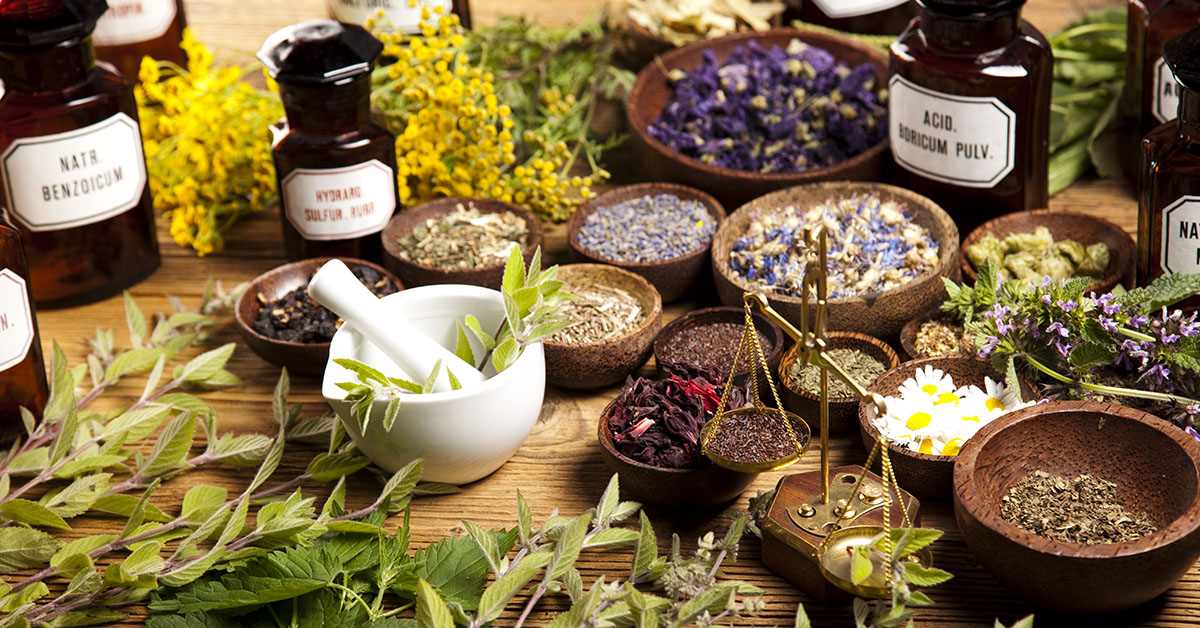
Herbalism is a type of traditional or folk medicine that uses plants and plant extracts to treat ailments. It has numerous names. The terms botanical medicine, medical herbalism, herbal medicine, herbology, or phytotherapy may have come up in conversation. Many plants produce chemicals that are important for maintaining human and animal health. Minerals, shells, various animal parts, fungi, and bee secretions are occasionally added to the list of substances used in herbal therapy.
Since ancient times, people have utilized herbs such as skin lotions, tinctures, teas, and supplements to treat everything from moderate depression to skin rashes. Botanicals usually referred to as herbal supplements, are manufactured from plants’ leaves, flowers, roots, and bark.
What is the mechanism behind it?
All plants synthesize chemical compounds as a byproduct of their typical metabolic processes. These can be divided into two groups: primary metabolites, which are present in all plants and include carbohydrates and lipids, and secondary metabolites, which are present in a narrower variety of plants, some of which are unique to a single genus or species. Secondary metabolites have a variety of biological roles, such as acting as poisons to ward off predators or luring insects for pollination. These secondary metabolites can be processed to create medications and have therapeutic effects on people. Inulin from dahlia roots, quinine from cinchona, morphine and codeine from poppies, and digoxin from foxglove are a few examples.
How to become a herbalist?
A person who uses plants for healing is known as a herbalist. Although some practitioners are called “medical herbalists,” they are not medical professionals.
Herbalists research
- Human sciences, such as physiology, biochemistry, and anatomy
- Nutrition
- drugstores and dispensaries
- Science of plants and botany
- scientifically sound botanical study
An herbalist shouldn’t replace a doctor or mental health professional but may be a source of complementary treatment. Some people visit an herbalist for :
- Non-medication treatments
- Advice on lifestyle habits to reduce pain or stress
- Trouble sleeping
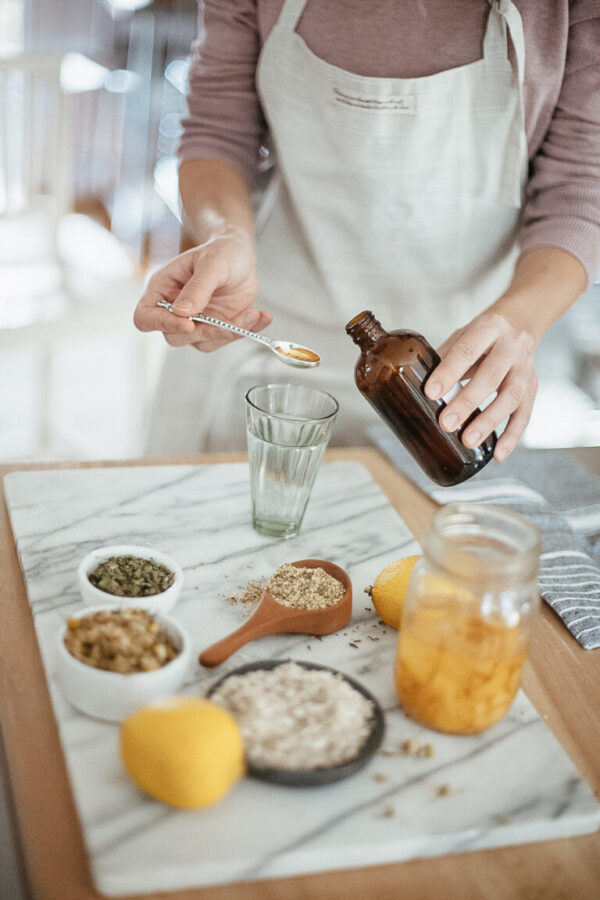
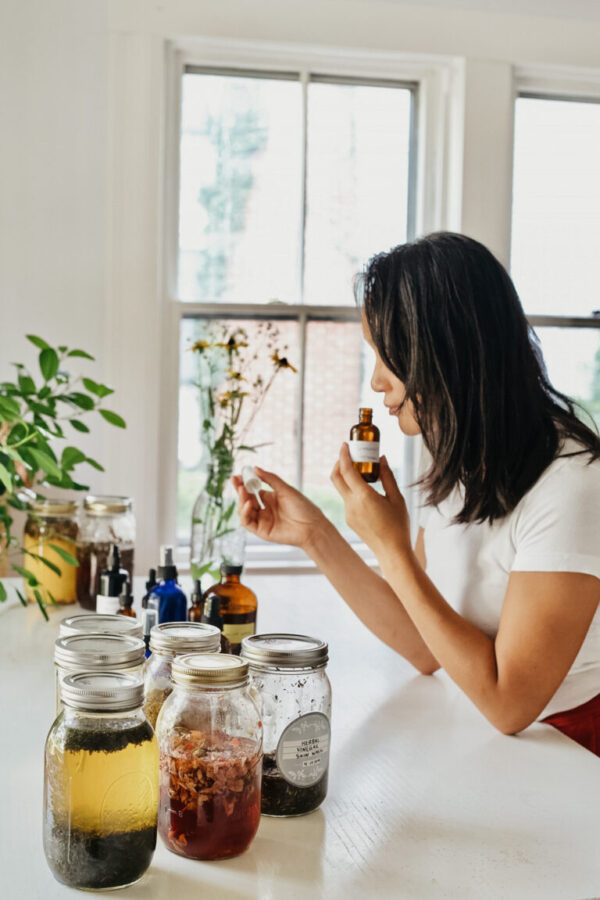
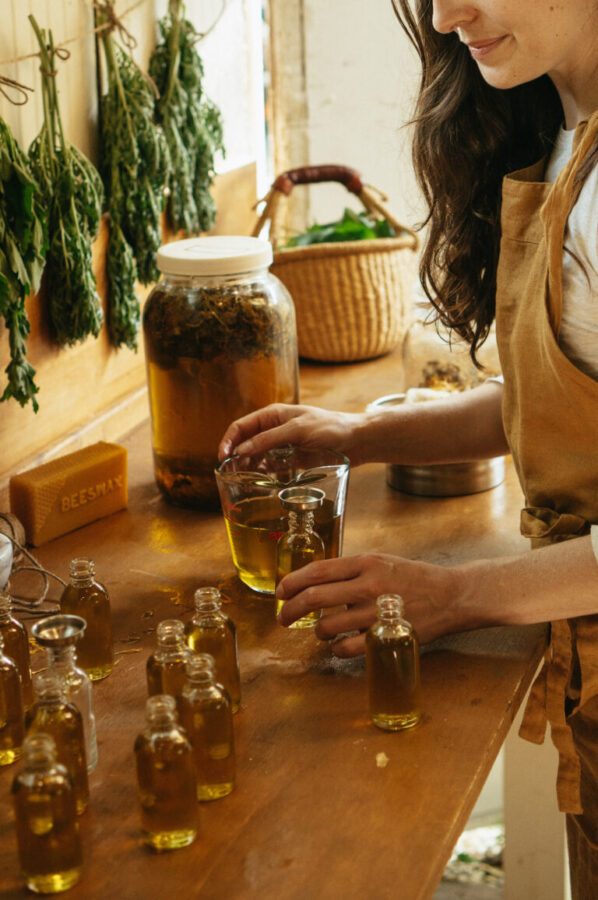
You can head to our courses to learn more about specific herbalism. Our courses range from :
- Making Herbal Preparations 101
- Medicinal Mushroom Online Class
- Botanical Skin Care Course
And learn herbalism on all levels: Beginner, Intermediate and Advanced!
Learn how to develop herbalism as a business with our Business Herbal Course.
Here is an example of a herbalist at work:
- Teaching in your local community through classes and workshops, online courses, virtual learning environments, plant identification walks, and local herb schools.
- writing for academic journals, blogs, magazines, online journals, textbook production, or research. Trained herbalists have a variety of opportunities to share their knowledge through writing, particularly at this time when online herbal interest is rising.
- speaking at gatherings, neighborhood gatherings, or medical organizations. You don’t need to secure high-profile, protracted speaking engagements to spread your information. Some people attend 30-minute seminars at your neighborhood health food shop, and you can say a lot in that time.
- appointments in your own practice, online, at certain times and places, or as a shared or integrated practice. A unique approach to sharing your talents of herbal knowledge with people is through herbal consultations. If you enjoy the individualized, one-on-one interaction between plants and people in herbal therapy, this is where you can really flourish.
- Compounding herbal products for your own clients, other clients, other practitioners, and other enterprises. In addition to benefiting you and your clients, setting up a herbal apothecary can also help you expand your practice if you really enjoy that aspect of herbalism.
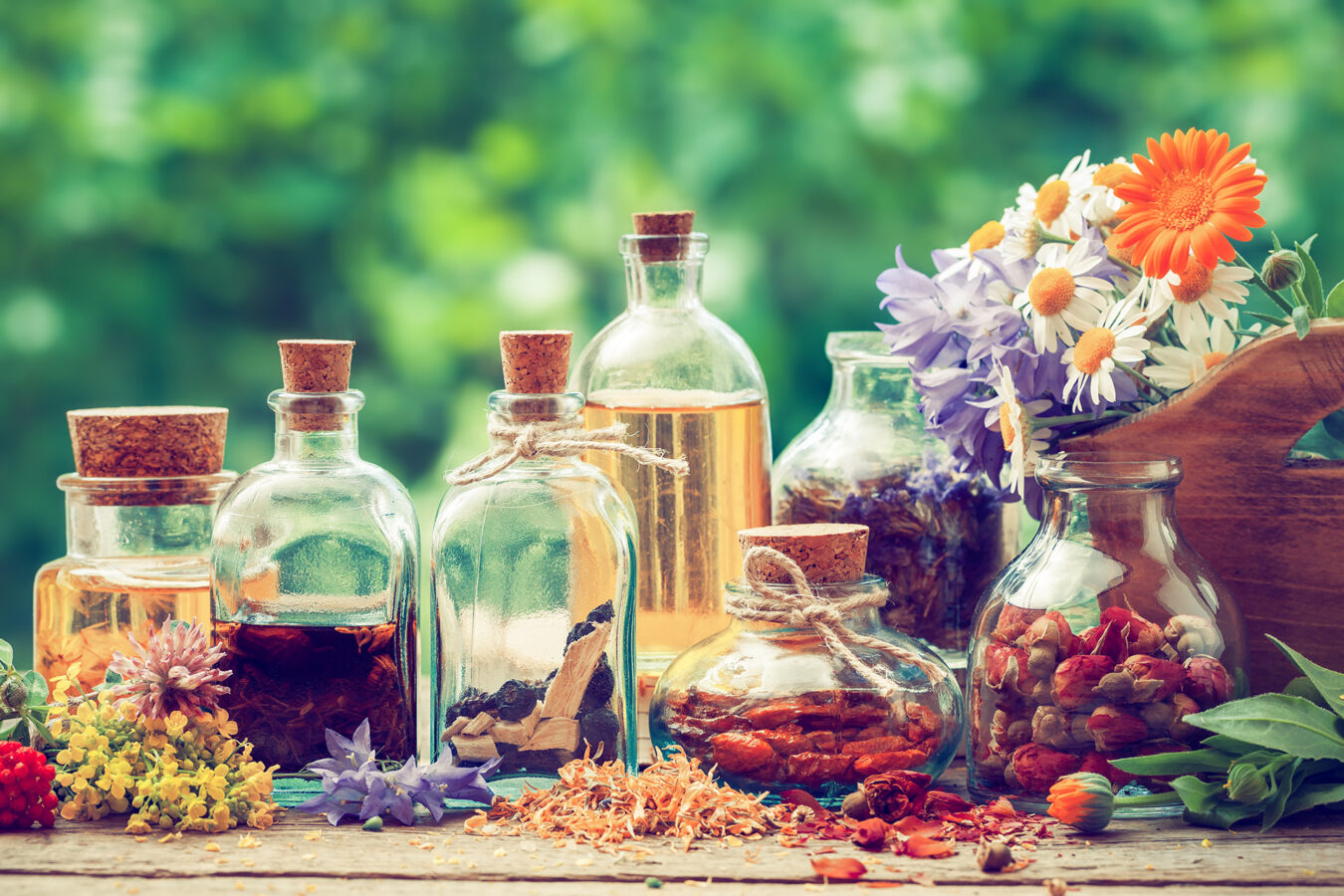
- Herbal products are available for purchase in stores and online (wholesale fits in here, too). Herbalists can have a lot of fun and, to be honest, some difficulty in this area, but it can be very lucrative if you have a knack for making herbal remedies, a knack for marketing, and a desire to help more people. (FYI, the Herbal Academy provides a great program if you’re really interested in learning how to make herbal products.
- Offering independent contractor consulting services to naturopathic clinics, health food stores with supplement sections, doctors’ offices, and hospitals. Networking within your local community is crucial in this situation. Are there professionals in your town who could use your knowledge and might wish to hire you on a retainer or call you with inquiries about their patients? Are there any nearby stores that could need assistance with acquiring herbs or that require custom-made herbs? Check it out to see whether your abilities and offerings could satisfy a need, even in a tiny way.
- writing for your own blog or contributing to reliable web blogs on wellness. This is a really intimate approach to expressing what you feel.
- Herbal gardening at your neighborhood botanical gardens or serving as an advisor to people who want to create their own herb gardens. This touches on horticulture, and the majority of herbalists I know also enjoy gardening.
We hope that by learning about herbalism and its benefits, you will be inspired to integrate it into your permaculture farm.
If you are a farmer and want to learn more about permaculture farming or to offer your services in a more regenerative way – become a certified Permaculture Designer with us!