Permaculture Dispatches from Vietnam
The Xom Bac Cau (XBC) Project was founded by a French woman and her friends in 2018 in Hanoi, Vietnam. Its ethos is one of participation and collaboration through providing a comforting and nurturing space for friendliness, exchange, and sharing. Unfortunately, after more than one year of operation, the space was closed because of Covid outbreaks.
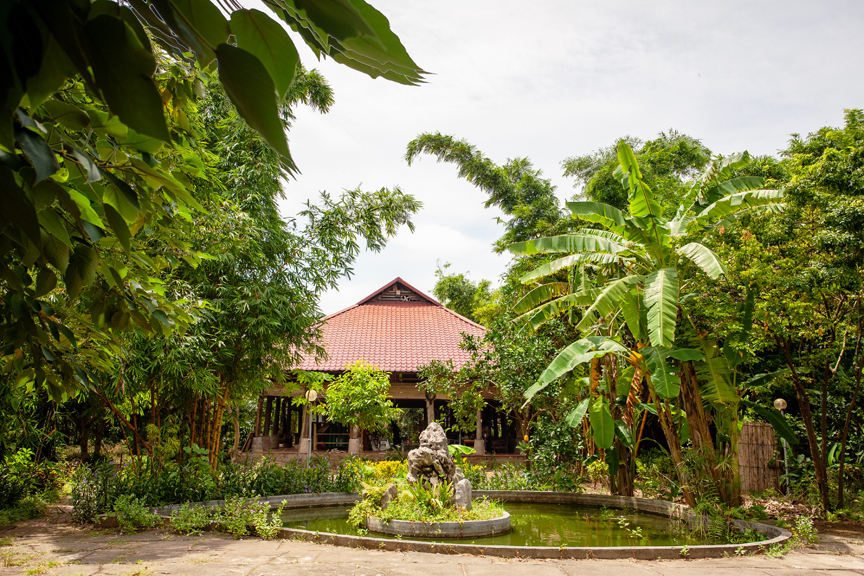
In 2021, a group of women’s friends who have a shared interest in protecting nature, the environment, and ecology gathered to reopen the space. They aim to develop a space to share and experiment with ecological solutions, connect communities, and practice sustainable living styles.
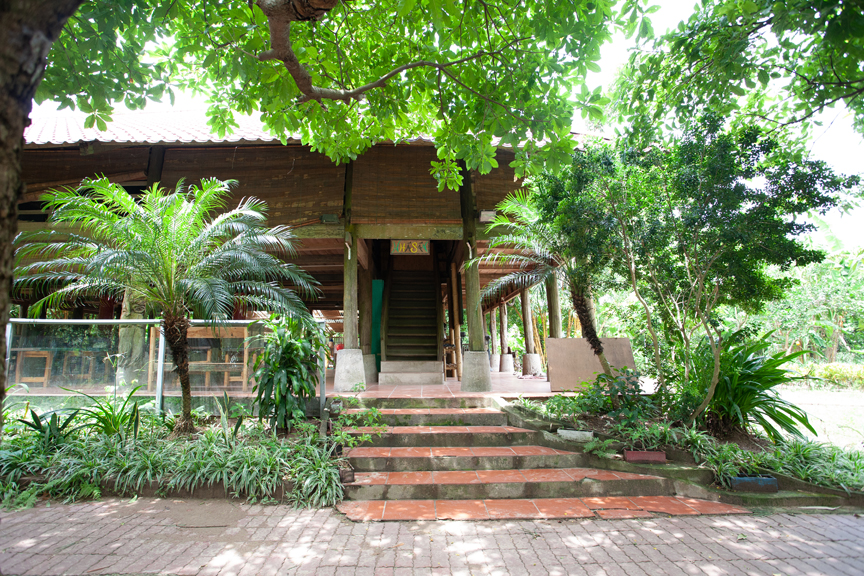
As one of the group members and a permaculturist, I have been living and working directly on the site for months. So my question is how to integrate Permaculture into this existing system?
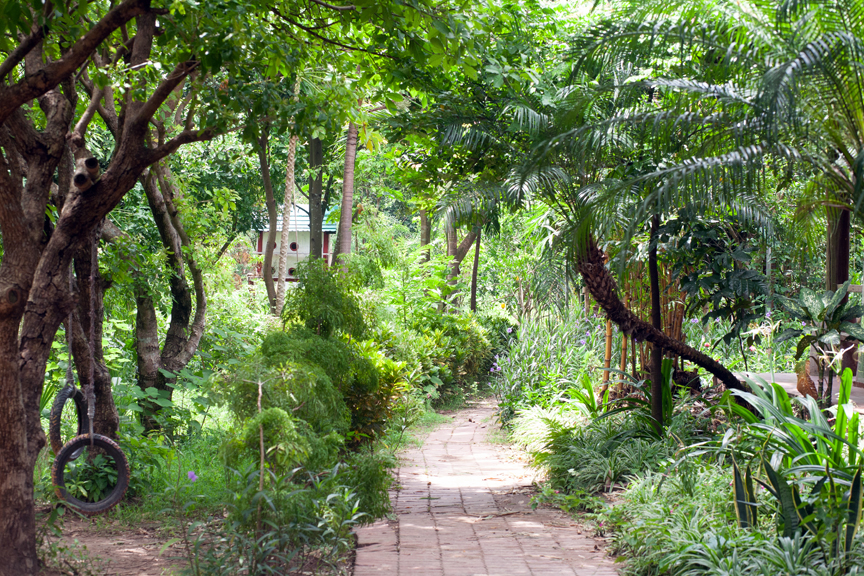
The space is on a property of 4000 square miles with some natural buildings and gardens. It is located by the riverside with very old bamboo stands. There are many kinds of local fruit trees, such as grapefruit, banana, starfruit, mango, longan, and more.
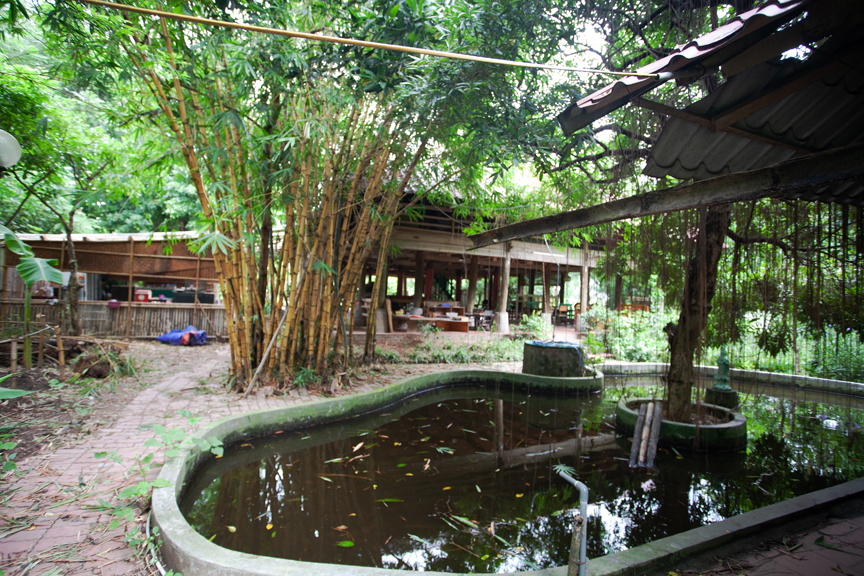
After researching the site, I proposed a plan to renovate the garden with the following activities:
Unblock the canopy to increase sunshine from the east by pruning old trees and taking out all non-native invasive trees (many were imported for roadside planting);
Adding gardens of herbs, spices, vegetables, and flowers near the kitchen and Nha san (a community house) to provide food and to control pests;
Adding chicken, rabbits, and pigeons to the farm to provide manure for composting (some compost pits are made along with the garden);
Repairing and adding more bamboo trellis for vines.
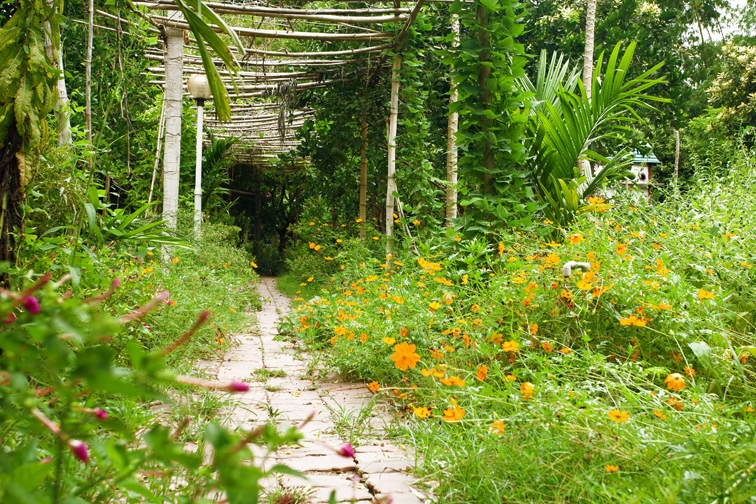
For people living and working on the site, I proposed to change some bad habits for better ones:
Stop the use of chemicals (still used sometimes) in the gardens, as well as in the entire site;
Minimizing the use of plastics on the site;
Sorting waste for recycling and composting.
Thanks to the old founders, Xom Bac Cau was well-known in the community of Europeans in Vietnam. As a result, many young Vietnamese people came to the place for the need to connect to foreigners. And children around the village also came to the space for learning foreign languages and art. As a result, many have become volunteers in the current project.
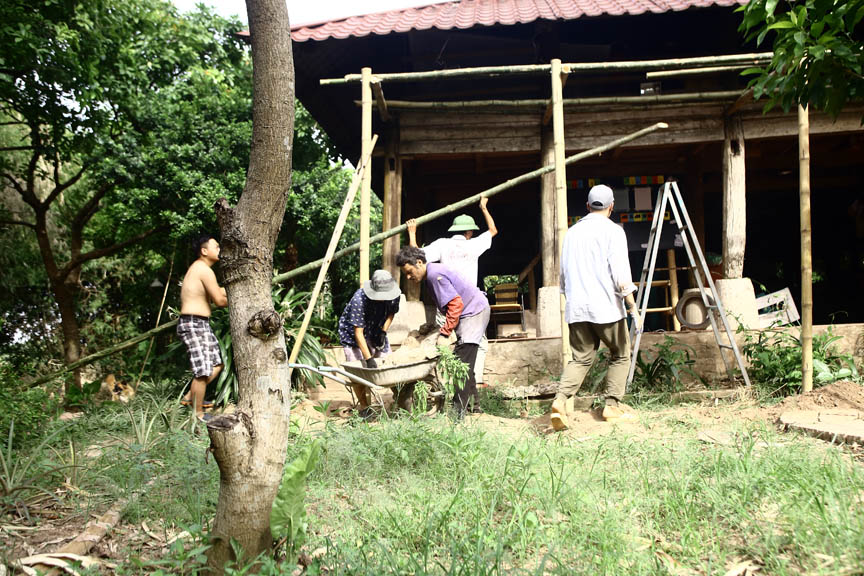
After the renovation, the biggest issue the group has to resolve is the income to maintain the space. As XBC is located in the heart of Hanoi, the biggest and most expensive city in Vietnam, the leasing cost for the space is quite high. The core members committed a fund for the first year, but income must be raised during the year to sustain the space and, of course, sustain the community.
The newcomers have been establishing a community in which people share a common interest in connecting with people and the natural processes on the site of XBC. This is the best value of the site at the moment and can attract green income such as capital and other donations.
Permaculture is not mentioned as the main agricultural approach at the Xom Bac Cau project, but many Permaculture ethics and techniques have been applied in both agricultural and social dimensions. We hope that a sustainable urban community will evolve through the active tending and integration of the gardens and land at Xom Bac Cau.
PermacultureEducation.org offers a PDC introductory course and a complete 72-hour Permaculture Design Certificate Course (PDC). The internationally-recognized Permaculture Design Certificate opens the opportunity for an advanced Diploma taught by experienced former students of Bill Mollison, founder.
Hanh Lien is a Lead Instructor for the International Permaculture Education Center.