THE UNRAVELING OF A POLLINATOR SANCTUARY
It was the timing that stunned me. It was shocking because the property changed hands, erasing almost two years of hand weeding a half-acre gravel lot bedeviled with at least fifty linear miles of morning glory vines, curled dock threatening thousands of red-hued spawn, and 30 square feet of equisetum.
Pulling each miniature Pleistocene tree and stacking them in high piles, I felt like some ill-tempered giant. The Himalayan blackberry, that rogue and feisty invasive (which a least does offer flowers and fruit), was culled to fulfill the owner’s desire. The agreement was no blackberries, no herbicides, just vinegar, no problem.
The sudden canceling of the trusted word and handshake agreement for a pollinator sanctuary occurred just as I had received a generous grant to buy stone aggregate for several designed areas, pavers for a short half-circle path on one corner of the lot and funding to purchase many fully mature organic perennials to create a settled, restive habitat while the second-year growth of hardy prairie perennials proclaimed themselves louder and richer. T
he yellow vetch, selfheal, yarrow, plantain, Echinacea, pearly everlasting, and prairie primrose were established in lush, isolated islands. The culmination of the sanctuary design would have allowed me to post the “pollinator habitat ‘ sign with satisfaction after the tedious process of obtaining a city sign permit. The fateful email, “Sorry, but when can you be out?” crashed the project. Beyond smashing the diplomacy of a handshake and good word trust, I realized that I had to re-home as many saplings and patches of returning wildflowers as possible. While this was overwhelming ideation, I couldn’t leave the plants to suffer in the future: a planned herbicide douse by the new land owner.
My singular act of resilience and resistance was to commit to saving as many plants as possible; I couldn’t bear the idea of giving someone the enjoyment of watching them wither in a parking lot.
The plant tally totaled: approximately 20 red alder saplings (3-5 feet in height), a similar number of varied willow species (1- 4 feet in height), one 3 ft bayberry bush, one oak seedling 12 inches, two walnut seedlings (1- 2 feet in height) and 24 hearty buddleia bushes 3-5’ tall in height and up to same in width. The buddleia had grown from the first broadcasting of commercial wildflower mix and had proliferated by deadheading the jasmine-scented flower heads and casting them randomly.
(A delightful task) Something else about the buddleia: While some are considered invasive, the state of OR allows for some 22 species, which is good for beekeepers and bee species. One of the beekeepers told me aside that the main plants that will support his bee colonies are both considered invasive: Himalayan blackberry and Japanese Knotweed (a powerful anti-viral according to herbalist Harrod-Buhner).
In this county, dairies cause extensive pollution by aerial spraying of bovine faecal and urinary material and groundwater contamination by same. Since the invasive label is highly political, as is the Right to Farm Law allowing questionable environmental tolerances for distribution of high concentrations of animal waste from CAFOs, I find the labeling of buddleia species as “invasive” another political curiosity. I had researched this when a complaint had been registered against the plants in the lot to the city planner. In resolving the claim, I researched and found that 22 species are legal in the state per the Department of Agriculture website.
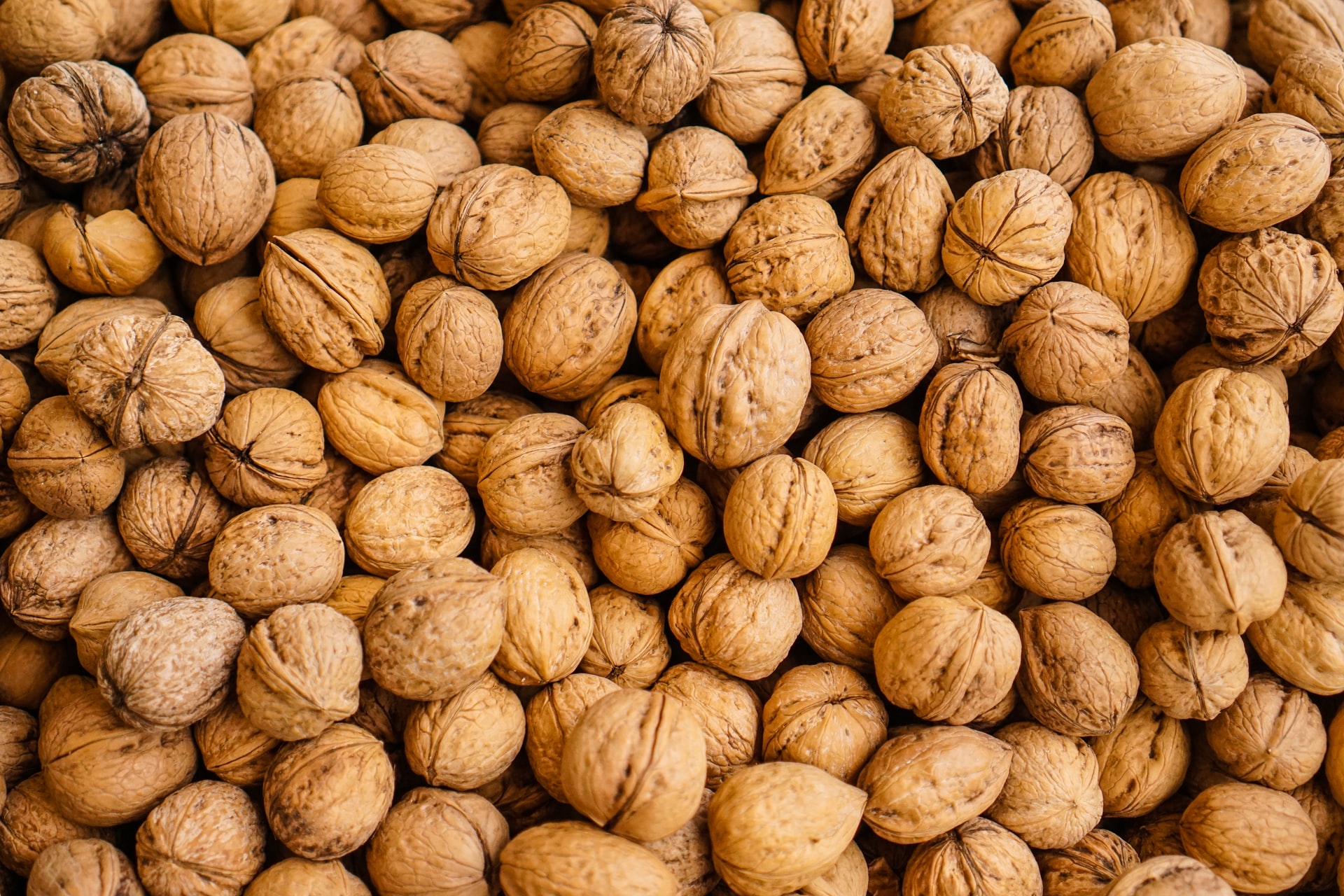
The bushes in question grew from an approved commercial seed stock for zone 8. The complaint was dropped ultimately. With continuous flowering spears enjoyed by the bee species and bumblebees in plentiful numbers, buddleia are worthy of defending.
No one had made a complaint about the plethora of dahlias, Netherland tulips, and flowers from the east coast in other areas of town I only mentioned. In addition to nectar and jasmine-scented flowers, the buddleia proved their survival mettle during a climate change event in 2021. The buddleia, every one of them, weathered the 3-day heat dome event without so much as a dropped leaf. This climate event was no small incident for the PNW.
In Oregon, several people died of heat-related conditions in the mid-valley region. Birds of prey fledglings overheating in high-placed nests jumped out of their nests in distress, like people leaping out of burning buildings. Some 200 lucky fledglings were reportedly taken for care by wildlife rescuers. The actual death toll among raptor fledglings is unknown. At the gravel lot that weekend, the bushes continued to flourish as the yellow vetch, selfheal, yarrow, prairie primrose, and most other small herbaceous plants wilted and burned to the root layer by the third day.
There was no water available for the lot for me to mitigate the heat. The buddleia bushes flowered into fall, providing continuous nectar, and wild tree species grew steadily. The lot looked clean with circles of green and populated with intermittent strong green bushes. Not bad for three bags of seed and a serious solo investment of weeding effort with a heat dome event for drama.
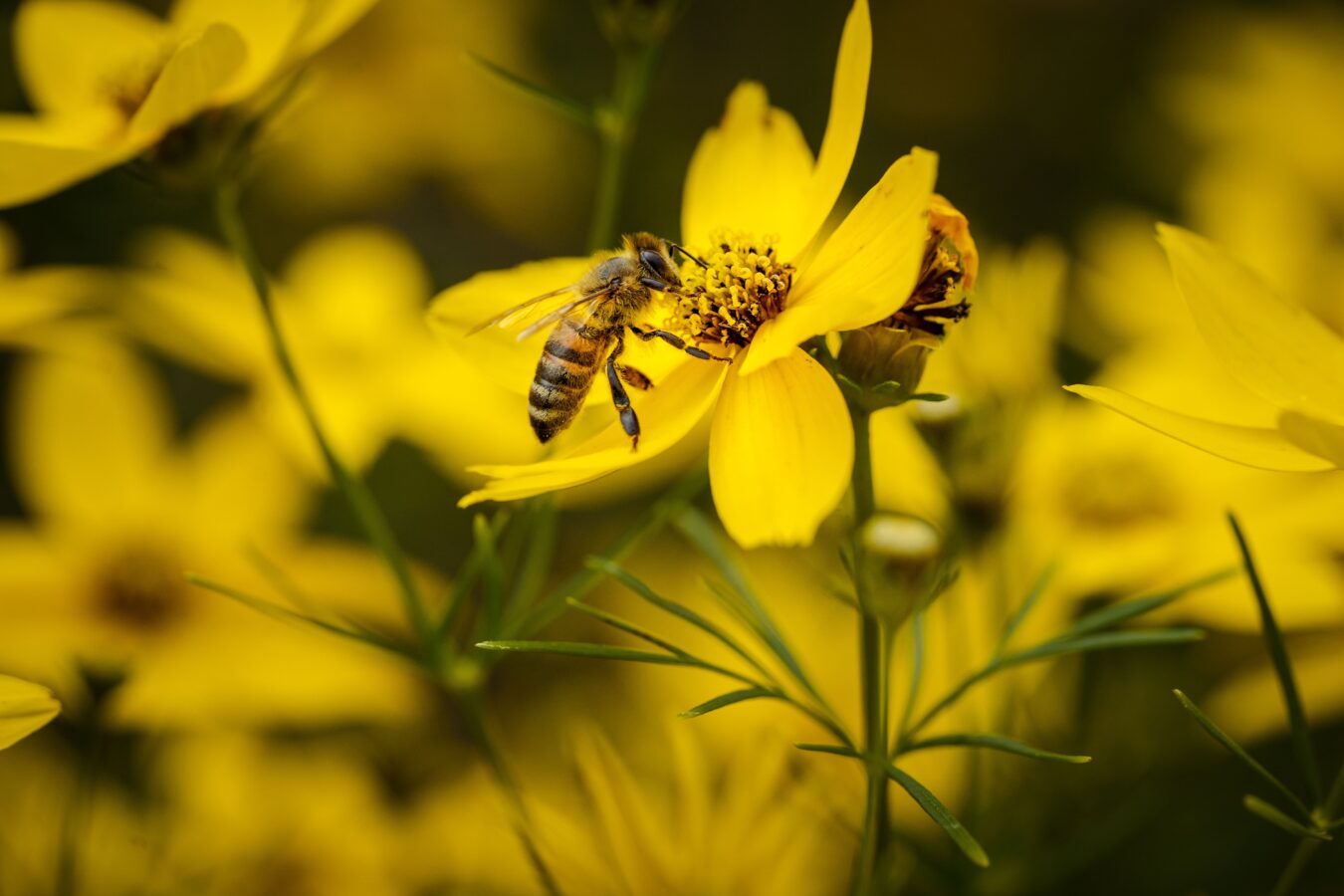
What lessened my dismay was the notion that the pollinator sanctuary was a modest success within a certain horticultural niche. Native alder, oak, walnut, and two species of willow arrived by air and bird. within the first year. Near the two walnut saplings I found broken walnut shells. Evidence that clever ravens had brought the walnuts.
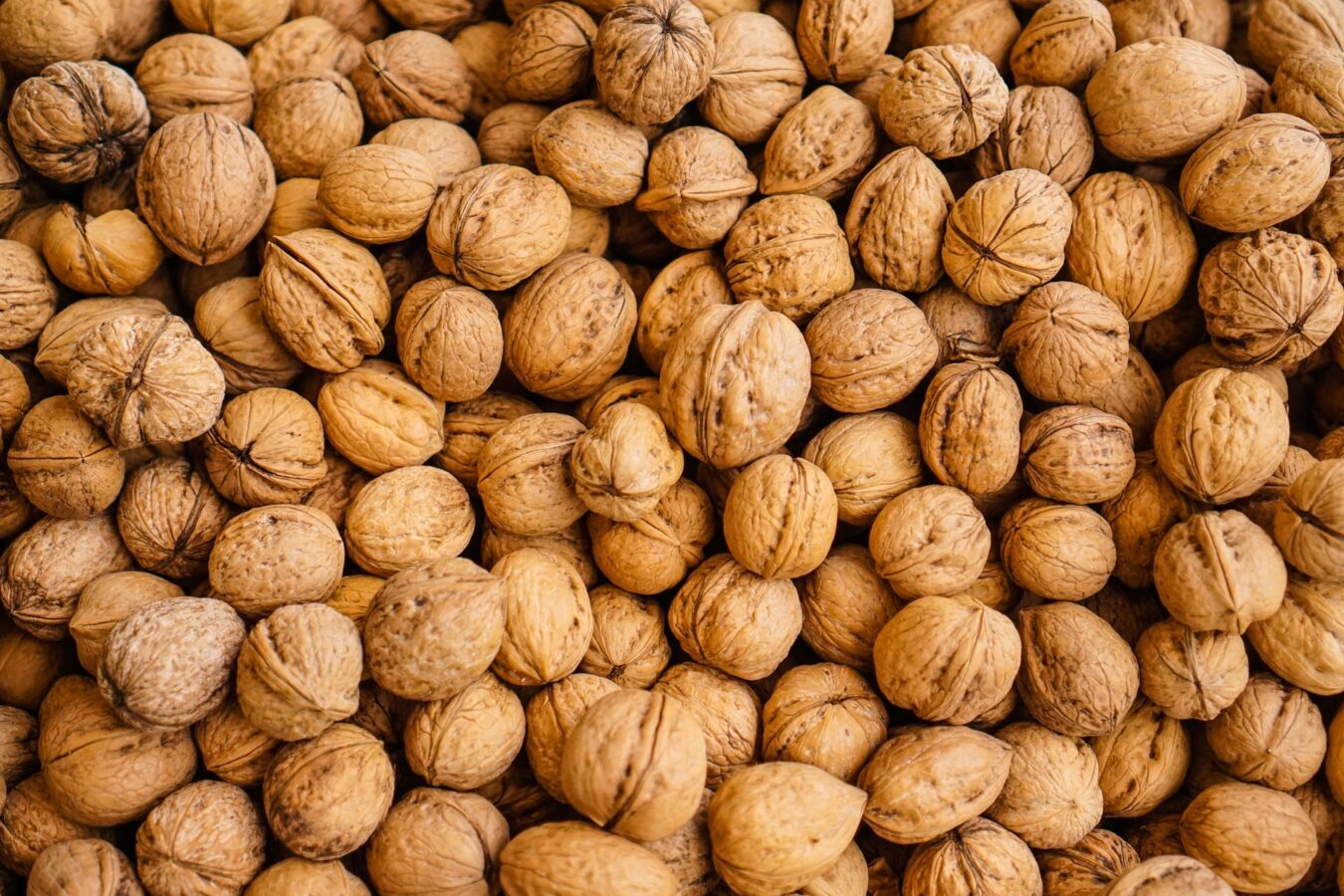
Every fall, I watch the local ravens fly over the parking lot adjacent to the gravel lot and drop walnuts, sortie after sortie, during certain weeks of the fall. At about fifty feet above the tarmac, the ravens drop the intact, whole walnut, which shatters on impact. Then the raven dives quickly to grab the prized nutmeats before another raven arrives, having been stalking the first raven’s efforts.
All in a good day of corvidae fun and games.
Stopped despite my best efforts, I regard the garden’s success as a quiet group project; birds dropping seeds, spores, and floating seeds traveling on the wind by destiny, humans broadcasting seeds with flinging arms and open hands. That same human pulling plants would choke the preferred plants to allow pearly everlasting, selfheal, vetch, and yarrow over Himalayan blackberry.
I realized that the hardy perennials were resilient as they returned months later, with rain nourishment only, roots quietly gathering strength. In a few more years, I knew the islands of herbs would have connected into a continuous lush blanket. Overwhelmed with the task of extraction, I networked vigorously with local organic gardeners and the beekeeper association to take the plants forward. In rains and on weekends, the bulk of the bushes and saplings were re-homed. What remained after interest or needs to have waned are potted at my house in 20-gallon black pots. I
took as many self-heal patches and pearly everlasting islands as possible. While laboring in the distribution of these plants so true and strong, I felt some satisfaction in the fact that the gravel lot was a nursery at least. As a small parting gift, in the rehoming stage of the garden, a woman who I had often observed sitting along the lot with her dog stopped me one evening and remarked how much she enjoyed the spot. Sort of a small park she said. And I replied that yes, that had been the plan, but I had to take the plants out now, as there had been a change of ownership.
She expressed dismay and then thanked me for the hard work. It was very kind moment. I remembered I saw one butterfly in the first summer. a Painted Lady butterfly. I was very excited as I had seen a total of two butterflies here in three years. Sometimes one tiny fluttering victory has to be enough.
With (human) group effort, by the agreed date my interaction and responsibility ended. Bushes, saplings, and patches of herbaceous natives had been transplanted across the county by gardeners and beekeepers. Had the saplings been able to grow, the gravel garden was well on its way to being an established tiny forest by year three. It would have been a support for bee species and maybe a few migrating birds to enjoy some wild seed. I looked at the lot from Google earth, and it was becoming a green spot in a long stretch of human habitation and roman squares of blockhouses. Not to be. In assessing my experience of this event, I find some relief in considering the cultural ruins scattered on all continents of earth that are being overgrown and erased by plants. No doubt my loyalty is to plants and animals over people.
History doesn’t speak well of the invasion of Home sapiens, which immediately began killing other species at an extractive rate. At this point, it’s completely out of control. There are too many of us; our social structures allow a minority of aggressive, hostile types to yield too much influence, usually negative. Lemmings this way to the cliff! So, I imagine that the air and wind and animals of land and sea and birds and mushrooms and bacteria and water bears and more – all of them- will breathe a collective sigh of relief at the point when real estate deals and the conundrum of private property rights between persons, between corporations, between nations, will not be in the way of flowers and bushes and the joy de vivre of the entire animal kingdom.
At that point, the cracks between gravel, buckling tarmac, parched mud, dried river beds, and decadent neighborhoods will be new territory to fill with beauty in no particular hurry. As for closing the project, I notified the city planner I was no longer involved in the lot project, and I kept the four walnut halves dropped by ravens on a corner of a shelf. I want to remind myself this is a small drama on a blue planet crowded with much larger ones.
Found this interesting? Want to do learn more and do something impactful?
Sign up for the Permaculture Design Certificate Course and learn how to Save the World.
