
7 Natural pesticides you can make in the kitchen!
If you are here on this permaculture blog you are probably growing part of your food. Even if it’s just a mint plant, it counts. If you grow, you know the need for healthy soil, good fertilizers, insecticides, and herbicides. Making your own compost can help you fertilize the soil and improve the quality of the produce. A lot of kitchen waste will also help you out here. (I’m talking eggshells, starch water, etc.) You might already know this. But what we all struggle with are ‘decent’ pesticides. Pesticides are not just toxic to the environment, but also to humans and animals. Exposure to these chemically-loaded pesticides has been associated with serious illnesses and they also result in a range of health issues; from respiratory disorders to cardiovascular issues.
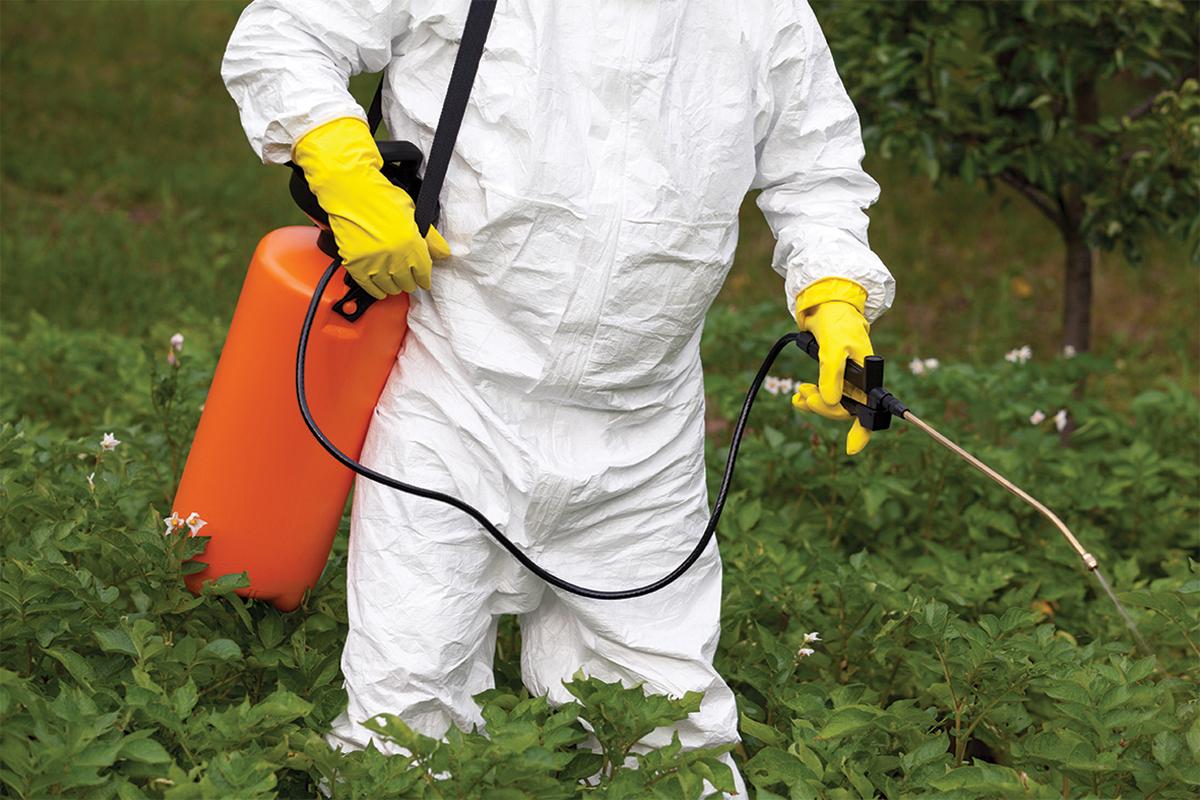
This blog aims to help you understand how you can avoid pests with wonderful ingredients present in your kitchen. Here is a list of some all-natural, inexpensive, organic methods to make pesticides for your garden!
- Neem oils: Neem oil acts as an insecticide/fungicide/miticide and can be used in garden areas and agriculture. Neem oil sprayed on young plants stays effective for about 22 days.
- 1 litre of water
- 1 tablespoon of cold-pressed neem oil
- 1 teaspoon liquid soap
- Horticulture oil sprays: This homemade pesticide is used to control scale, aphids, mealy bug, citrus leaf miner, mites and caterpillars on roses, ornamentals, citrus and other fruit trees. These are nontoxic sprays, with zero withholding period, so crops that have been sprayed can be washed with water and eaten on the same day. It is also not harmful to beneficial insects like bees, ladybugs or earthworms. All you need to do is shake all the ingredients(4:1 ratio) till the mix becomes white.
- 2 cups of vegetable oil
- 1/2 cup pure liquid soap, use pure organic castile soap,
- Salt sprays: Salt not only helps deter pests, but also increases nutrition absorption like magnesium and helps plants take up vital nutrients like phosphorus and sulphur. You can add 1 spoon of salt in 1 L of water and make a spray. You can also sprinkle salt around the base of your plants, reapplying every week.
- Onion and garlic spray: Essentially you can also just grow these next to your infested plants and that will do the job. These plants are natural pesticides for other plants.
- 1 clove of garlic
- 1 medium-sized onion
- 1L of water to the ingridients. Let it stay for a while before you add a teaspoon of cayenne pepper and a dash of liquid soap to the mix. Use it on your plants to ensure that no bug infests your produce.
- Chile spray: The capsaicin that gives chili powder its hot flavor is distasteful to insects. Spraying plants or the soil around the plants with chili powder spray can keep insects from taking a taste. Because chili powder can be irritating to skin, wearing gloves while working with spray is recommended.
- 1 tablespoon of chile powder
- 1 Litre of water
- 10 drops of several drops of mild liquid soap. This mixture can be used full-strength on the leaves of affected plants.
- Tomato leaf spray: Tomato plants are part of the nightshade family. They contain alkaloids such as the aptly named “tomatine,” which can effectively control aphids and other insects. To make tomato leaf spray for a natural insecticide, chop two cups of fresh tomato leaves (which can be taken from the bottom part of the plant) into 1L of water, and let it steep overnight. Strain out the plant material and spray onto plant foliage.
- Citrus spray: A simple citrus spray is effective at killing aphids and some other soft-bodied insects. Grate the rind from one lemon, and add it to a 500 ml of boiling water just removed from the heat. Allow the mixture to steep overnight, then strain through a fine sieve. Spray this mix on the tops and bottoms of the leaves on afflicted plants and make sure it lands on the insects.

Permaculture is all about understanding what is around you and leveraging it in a way that you can make ends meet- for you and the planet. Instead of going out to buy pesticides that are resource intensive to produce, pollute the soil and water with chemicals, spoil the ecological chains and are harmful for consumption – try to research and use what you have. Stacking elements and ensuring multi-functionality forms the basis of discovering solutions: in our case natural pesticides. If you’re interested in learning more about permaculture and its principles take our free introduction course to permaculture!
