Ever heard of Biodynamics?
The concept of Biodynamics developed during 1924 when Dr. Rudolf Steiner was trying to educate farmers about a new way to integrate scientific understanding with the spirit in nature. Due to the efforts of various researchers and farmers, biodynamics has grown and found home across multiple thriving gardens, farms, vineyards, ranches, and orchards across the world.
In simple terms biodynamics is a spiritual worldview where in the farm is treated like a living organism comprising of fields, soil, plants, animal and people, all existing in harmony with the universe. It an extreme way of looking at food production in order to survive this climate crisis. Everything used, produced and done on the farm is in a self-enclosed cycle and each of these activities is aligned with planetary movements. The ideal time for agricultural operations is determined by the lunar calendar. The natural rhythms allow the farmer to live closer to his land, develop an empathy and understanding that might be lost to an ever-increasing regime of chemical intervention.
Of course, due to this allied belief, many people find biodynamics a superstitious concept that is hard to believe. But if you asked a farmer five hundred years ago, this would make a whole lot of sense to him. We’ve just lost that knowledge, and that’s what biodynamics is – a new name for something so grounded and elemental.
A biodynamic farmer is not at war with the environment; instead, he has the elements of nature working for him. To explain this better, let’s talk about the benefits of a biodynamic farm over a generic agricultural farm –
- The quality of life of a farmer is much better in terms of finances, time and efforts invested.
- The aroma, nutrient value, and taste of the food produced on such farms are considerably better.
- No insects are killed with chemicals – the food cycle of nature takes care of everything.
- Soils become healthier each year instead of degrading.
- Biodiversity improves and you develop a holistic farm, not a money-producing landmass.
There are certain principles of Biodynamics that can be applied in order to move towards this lifestyle- (sourced from Demeter.net)
- Regeneration – sustainability is not enough
- Integrating well-being of nature and human beings – we are part of the picture
- Creating a living context within which human beings, animals and plants can thrive and develop
- Include animals in a way that respects their well-being ,while producing nutrient dense food, nourishing the soil and protecting wildlife
- Agriculture is contextual – of its ecology, landscape and culture
- Ecological responsibility – Caring for resources, including packaging and transport impacts
- Social responsibility – Support community development and a cooperative approach throughout the supply chain
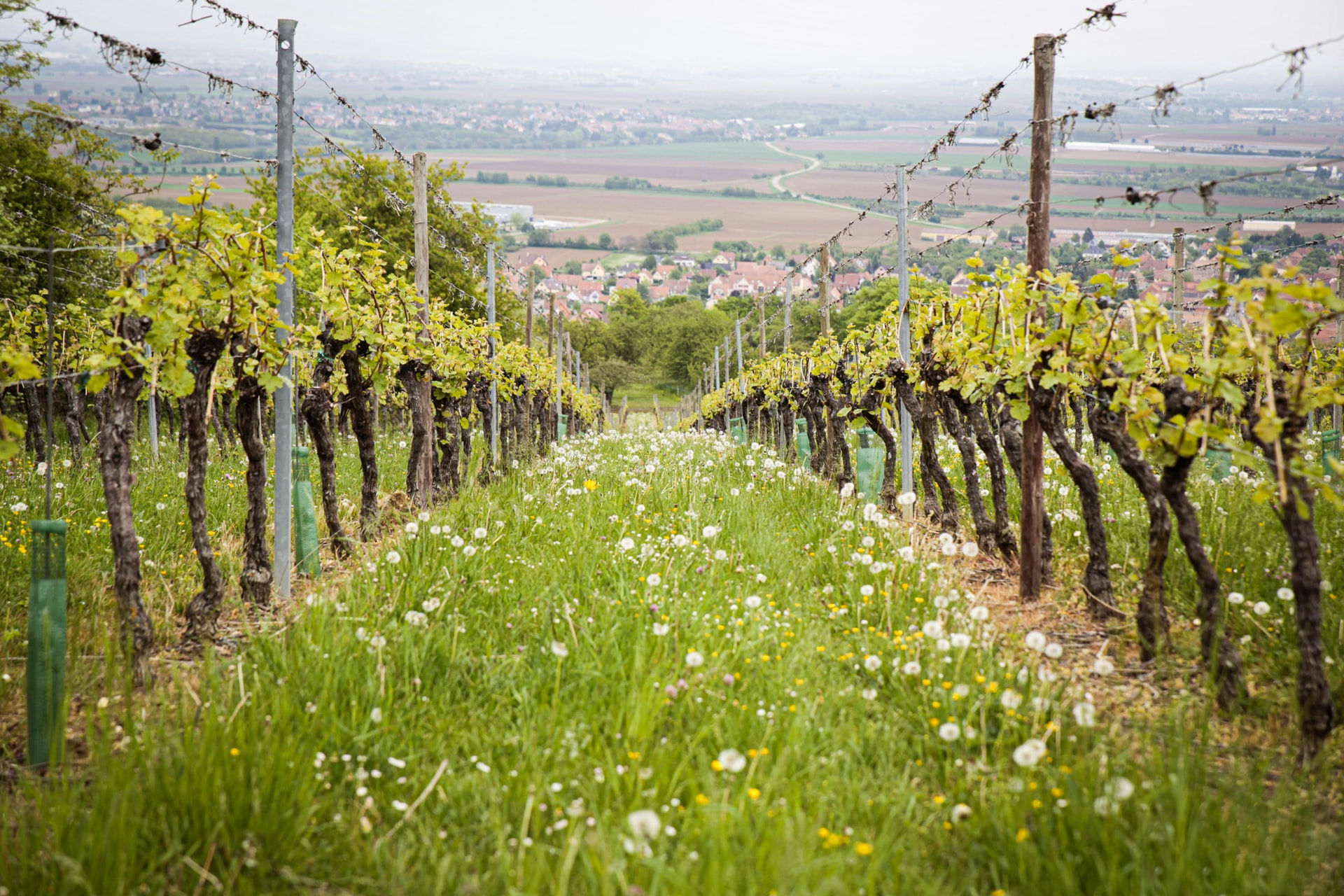
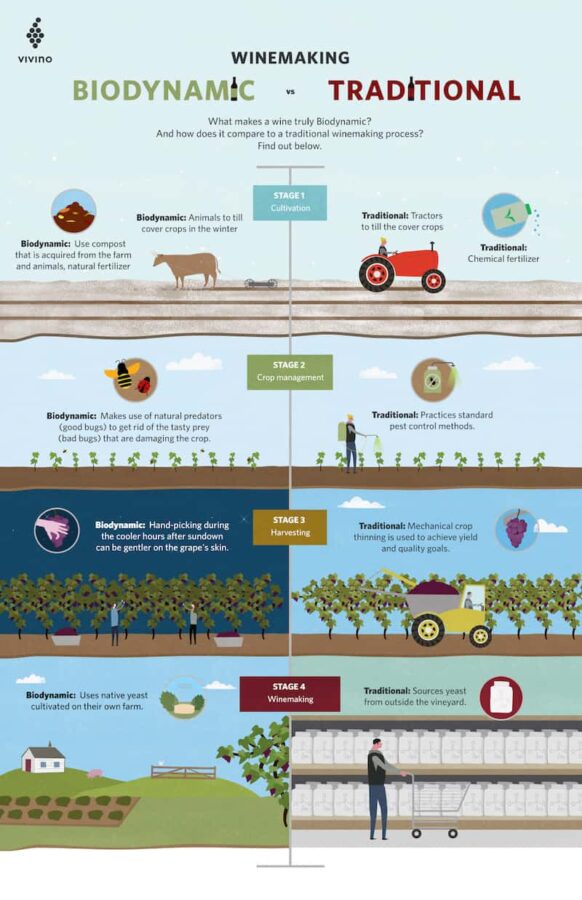
The principles and practices of biodynamics can be applied anywhere food is grown, with thoughtful adaptation to scale, landscape, climate, and culture. In fact, a popular example to understand its application are biodynamic vineyards that take organic wines one step further. Vineyard are developed as ecosystems. It is imperative to focus on the health of the land by increasing biodiversity and creating a closed nutrient system. This essentially means that no waste is produces at a Biodynamic winery, and the land is mostly self-reliant and no outside-inputs are necessary. Check out this infographic to understand better.
f you found this interesting, we have an amazing opportunity for you – Living with the Seasons – Online Course by Glen Atkinson. Glen Atkinson acts as your travel guide through three of Dr Steiner’s (developer of the concept of Biodynamics) central lectures on plant growth and the seasons. Rudolf Steiner has given us a unique series of stories, outlining the unseen energies active in Nature, throughout the seasons of the year. These stories can help deepen your appreciation of Nature, while finding a pathway to interact consciously with the positive and negative manifestations of these natural laws. This 3 day course will help you dive a little deeper into this concept which the world finds so difficult to grasp.
Saniya Malhotra is an Instructor and Research Coordinator with the International Permaculture Education Center.
Permaculture Education offers a PDC introductory course and the official 72-hour Permaculture Design Certificate Course (PDC).
