
FAQs
Common Questions About Permaculture Education
Permaculture Education is an example of a “Fourth Sector” for-benefit enterprise.
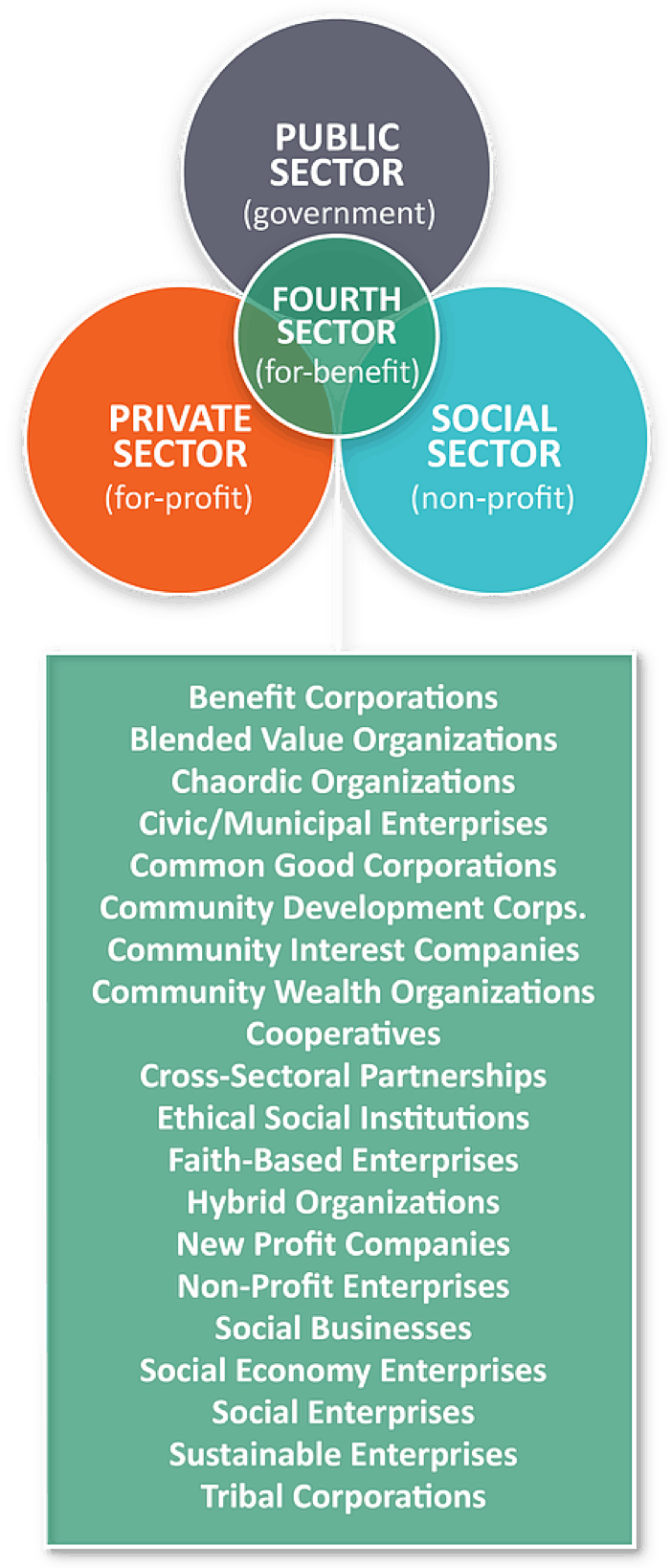
Officially, Permaculture Education is set up as an international Non-Profit Education Association.
This organizational structure is identical to those employed by many Permaculture Design teaching organizations around the world, as well as the original Permaculture Research Institute (no longer in operation after the passing of the founder, Bill Mollison). The non-profit education association structure under common law is a good example of the decentralized, sovereign authority ethos at the heart of the Permaculture Design movement.
No. The movement’s founders, Bill Mollison and David Holmgren, created a fully-decentralized discipline with no one person or organization as a central authority. The movement was created this way by design, partly as a response to Mollison’s negative experiences working in academia.
Mollison noticed how so many disciplines (Architecture, Forestry, Agriculture, Economics, etc.) had significant “barriers to entry” in the form of expensive education requirements from only “accredited” institutions. In addition, many professions are strictly governed by state boards and licensing agencies – further restricting access to these disciplines. Mollison wished to prevent this from ever happening to Permaculture Design! So, instead, he created a fully-decentralized structure and issued simple directives for teaching and practicing Permaculture Design. Most Permaculture Designers, Teachers, and Consultants worldwide follow Mollison’s directives for teaching and practicing in the field.
The choice to keep the discipline fully decentralized has both advantages and disadvantages. The obvious advantage is that Permaculture Designers, Teachers, and consultants worldwide are free to operate without having to obtain licenses, pay fees, or be subject to the whims of any central authority. As long as they follow Mollison’s directives for teaching and practicing Permaculture Design, their work and efforts are “internationally recognized.”
The disadvantage of operating in a fully-decentralized discipline is that there are some operating in the field and using the terms “Permaculture,” “Permaculture Teacher,” and “Permaculture Consultant” who have not been properly trained and are not following Mollison’s directives. In addition, individuals and organizations are teaching “Permaculture Courses” and “PDC Courses” that do not follow Mollison’s directives for teaching Permaculture Design. Given that there is no “Permaculture Police” or central authority to govern the activities of unauthorized individuals and others whose activities hurt the reputation of Permaculture, Mollison’s instructions were to “let the cream rise to the top.” After many years, he saw that some unqualified teachers were teaching rubbish and calling it “Permaculture,” but they always disappeared over time. The designers and teachers doing the best work always remained.
Over the years, a few fringe groups have attempted to create central authority organizations and impose their standards on professionals in their countries or regions. Still, they are routinely ignored by the global community in favor of keeping the movement fully decentralized and advocating adherence to the original directives passed down by Mollison.
Historically, this has been challenging due to the lack of a working global directory and no information on the availability of Permaculture Designers for consultations in a given region.
This is also one of the main problems voiced by the general public (finding a Designer for hire in my area). The solution is the new community-operated World Directory of Permaculture Designers at PermacultureEducation.org.
In addition to offering the ability to search the directory to find a Permaculture Designer near them, visitors can also view a Designer’s portfolio (designs, videos, pictures, etc.), see their availability for teaching or consulting (local, regional, worldwide), and contact them directly.
With the integrated “Hire Me” and “Contact Me” features, visitors can contact and hire a Permaculture Designer directly through the Permaculture Education community site.
One of the most important pieces of the Permaculture Education community site is the new World Directory of Permaculture Designers. The need for a new global directory has come up at several gatherings and meetings. Our research found that most Permaculture Designers no longer use the old Australian directory because of problems related to management (Organizations with similar missions as the for-profit sponsoring the old directory not being permitted to list their projects; Designers who did not receive their PDC from a certain teacher being given second-class listings while others are featured prominently, Number of students showing on profiles are incorrect and easily manipulated, problems with verifying data, etc.).
The new directory is community-operated, based on the honor system and the Permaculture Ethics of People Care. Designers are asked during the registration process to confirm that they have completed an internationally-recognized 72-hour Permaculture Design Certificate Course. All are welcome, and all will have the ability to create custom profiles featuring their experience, skills, and specialties. No “screening” process can be abused to delete profiles or favor certain people or groups over others. However, if there are reports of errors or people misrepresenting their qualifications in the directory, the administrative team may choose to take action.
In the new directory, Permaculture Designers can create a listing, show their availability for teaching or consulting (local, regional, worldwide), upload portfolios (designs, videos, pictures, etc.), and even list their courses, events, and products for sale. In addition to these features, site visitors can search and find a Permaculture Designer, contact them, and hire them directly through the site.
Yes! In addition to having the ability to contact other Permaculture Designers, members can post their needs and offerings in the Permaculture Classified Ads section.
These classified ads will also appear in our blog, newsletter, and social media channels.
